
How To Calculate Construction Cost And Manage It Properly?

Table of Content
Building your dream home is an exciting experience, but the financial side can quickly become overwhelming without the right plan. One small miscalculation can snowball into budget overruns or project delays. That’s why understanding how to calculate your construction cost and manage it effectively is one of the most crucial steps in the homebuilding journey. Once you know what goes into the total cost, you can plan smarter, make better decisions, and ensure your project stays on track from start to finish.
Understanding Construction Cost Per Square Foot
Before diving into numbers, it’s important to understand what construction cost per square foot actually means. It refers to the total cost of constructing a building divided by its total built-up area. This includes material prices, labour, architectural design, contractor fees, and even permits or legal approvals.
In most parts of India, the residential construction cost per sq. ft. ranges roughly between ₹1,500 and ₹2,500, depending on your location and material quality. For example, village homes might cost less due to lower labour rates and simpler designs, while city homes cost more because of higher wages, modern finishes, and premium materials.
Breaking Down the Major Cost Components
To plan your budget better, it helps to know what exactly goes into this cost. Let’s break it down:
1. Material Costs:
This forms the bulk of your expense and includes cement, steel, sand, bricks, electrical fittings, plumbing materials, flooring, and paint. Using high-quality materials ensures durability and fewer repairs in the long run. For cement, using trusted brands like ACC Cement guarantees strength, consistency, and compliance with ISI standards.
2. Labour Costs (30–35% of Total):
Labour charges depend on the type of work, location, and project size. They cover masonry, plastering, electrical, plumbing, and finishing tasks.
3. Architect and Engineering Fees:
Professionals typically charge 3–8% of your total cost, depending on the design complexity. Their role is vital in optimising space, ensuring compliance, and managing resources efficiently.
4. Contractor Fees (8–10%):
A good contractor handles supervision, project scheduling, and material procurement. Look for transparent, experienced professionals who offer detailed quotes and regular updates.
5. Permissions and Approvals:
Legal clearances, municipal permissions, and registration fees are often overlooked but necessary for a compliant construction process.
How to Calculate Accurately with Online Tools
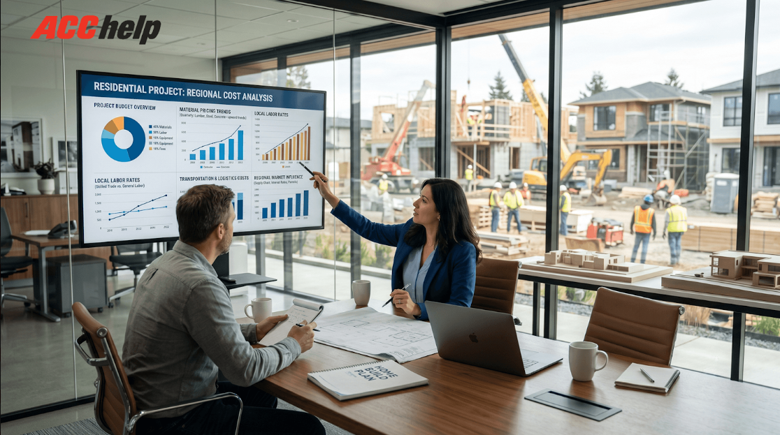
Manual calculations can be time-consuming, so many homeowners now use digital tools like house construction cost calculators. The tools let you input details such as:
- Location and plot size
- Number of floors
- Material quality preference
- Construction type (basic, standard, or premium finish)
The calculator instantly gives you a near-accurate estimate, helping you plan your finances better before construction begins. It’s a smart, time-saving way to visualise your budget without any guesswork.
Managing Construction Costs Effectively
Once you’ve calculated your total estimate, the real challenge is managing it. Construction involves multiple moving parts, and costs can easily go off track if not monitored carefully.
Here’s how to stay in control:
1. Create a Detailed Budget Plan:
Include every expense such as materials, labour, design fees, and approvals. Add a 5–10% contingency buffer for unexpected costs like material shortages or weather delays.
2. Avoid Last-Minute Design Changes:
Changes during execution often cause rework and waste materials. Finalise your plan early and stick to it as much as possible.
3. Buy in Bulk:
Purchasing cement, steel, tiles, and paint in larger quantities often reduces the cost per unit. With brands like ACC Cement, you can buy directly from authorised dealers through our dealer locator tool so you get both authenticity and better value.
4. Work with Transparent Partners
Always hire professionals who provide itemised estimates. This helps you track where your money goes and prevents budget surprises later.
5. Track Progress Regularly:
Keep a daily or weekly record of work completed and materials used. Monitoring progress helps prevent wastage, delays, and overbilling.
Smart Tips to Reduce Construction Cost Without Cutting Corners
Cost management doesn’t mean compromising on quality. It’s about finding smarter ways to build efficiently. Here’s how:
- Choose standard-sized doors and windows instead of custom ones.
- Opt for cost-effective yet durable flooring materials like polished concrete or vitrified tiles.
- Plan a practical layout with minimal design complexities.
- Use ready-mix concrete solutions like ACC Ready Mix so you get precise mixes and reduce on-site waste.
- Incorporate sustainable materials such as AAC blocks from the ACC Green range, which are lightweight, energy-efficient, and reduce overall material load.
Why ACC Cement Makes a Difference in Cost Efficiency
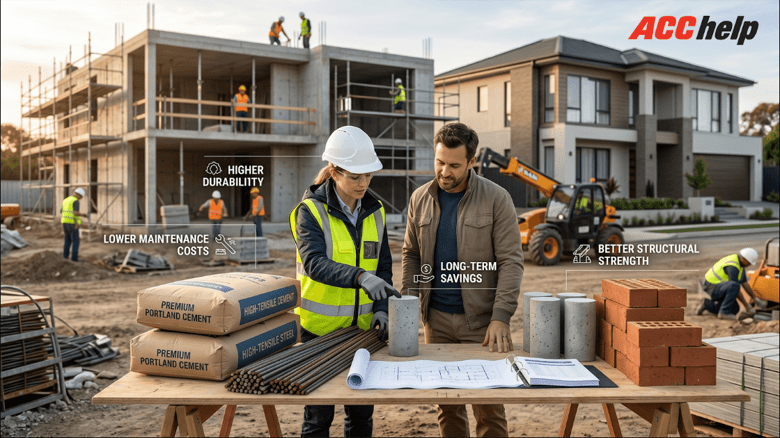
Using high-quality cement plays a major role in both cost management and long-term durability. We offer a wide range of products suitable for every stage of construction from foundations to finishing. Our products give you:
- Superior strength and smooth workability
- Reduced maintenance due to durable performance
- Better yield and mix efficiency, helping you save material costs
- Easy availability through 56,000+ authorised retailers across India
Final Thoughts
Calculating and managing construction costs means building with awareness. When you know what factors influence your budget and how to control them, your construction journey becomes smoother and more rewarding.
By combining smart planning, trusted partners, and reliable materials like ACC Cement, you can build your dream home confidently within budget, on schedule, and with strength that lasts for generations.