
Basics 101: A Beginner’s Guide to the Different Types of Concrete Used in Construction

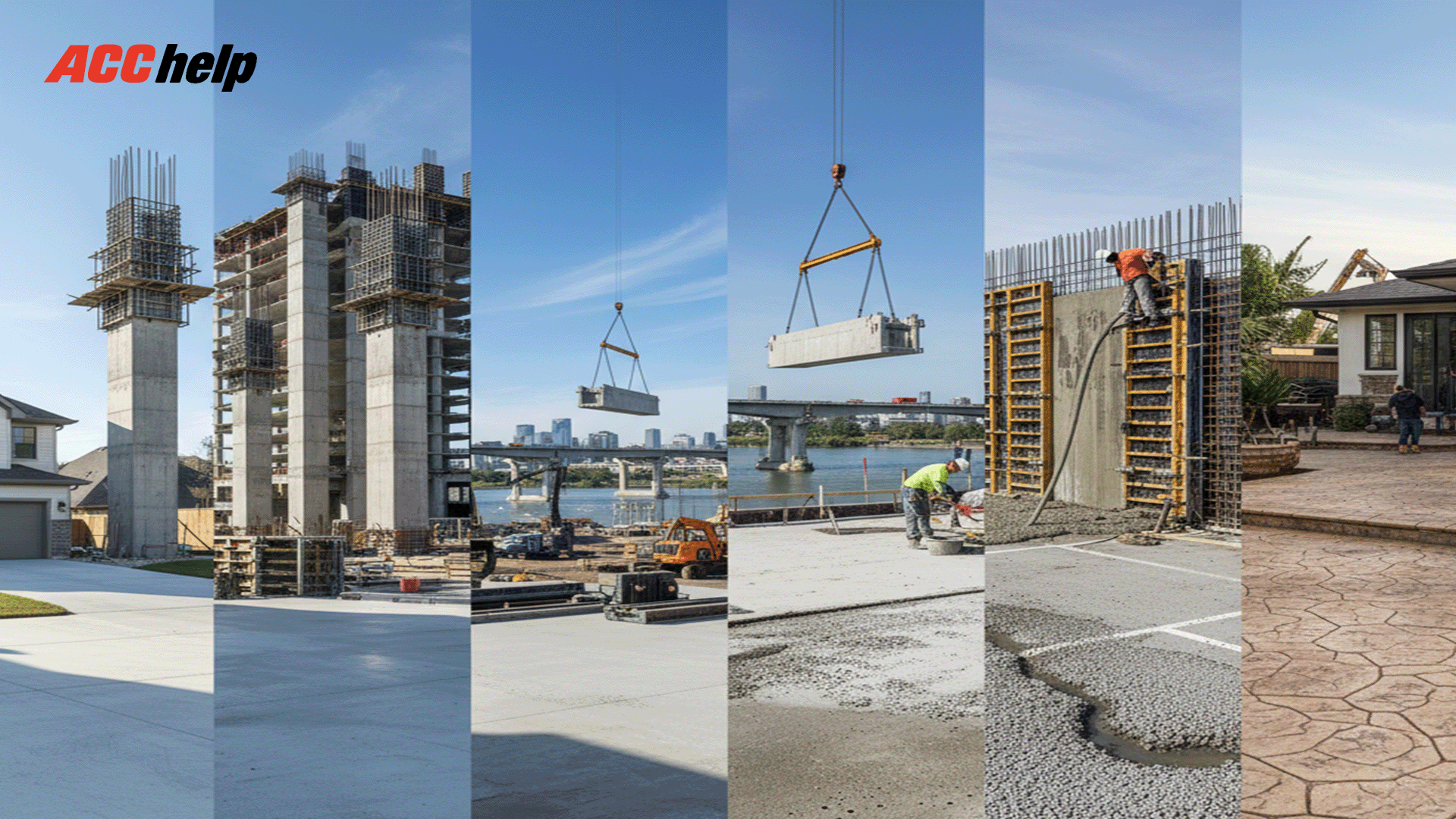
Table of Content
When you’re planning your dream home or any kind of building, one thing you absolutely can’t afford to get wrong is the concrete. It forms the foundation, the walls, the roof slab. It is literally the backbone of the structure. At ACC Cement, we understand how important this decision is. That’s why we’re here to walk you through the basics of concrete and the types of concrete available so you can understand which type suits your needs best.
What Is Concrete?
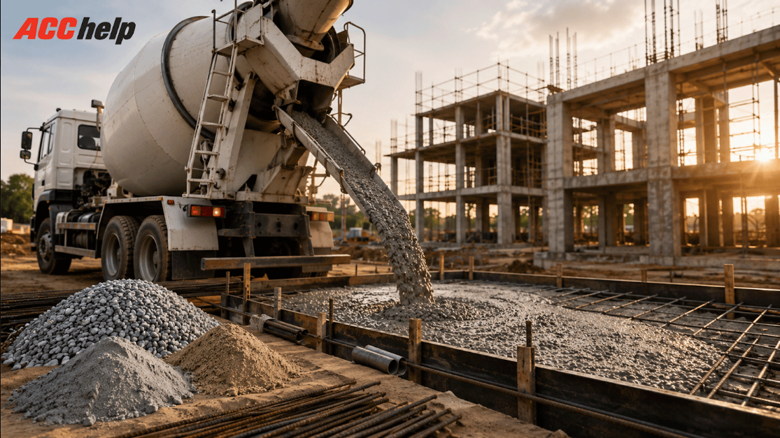
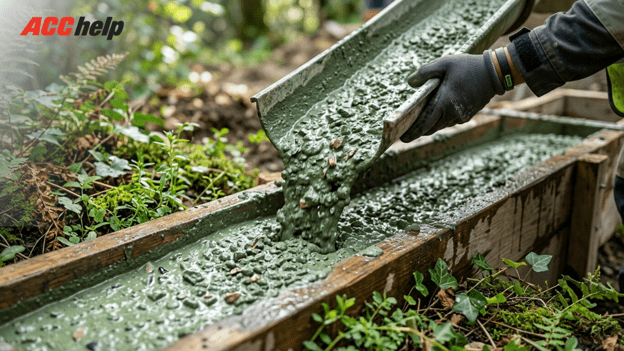
Concrete is a mix of cement, water, and aggregates like sand, gravel, or crushed stones. Once this mix is poured and starts curing, it hardens into a strong, durable material that can be molded into almost any shape.
Its strength, versatility, and affordability make it a go-to material for almost every construction project whether it’s your home’s foundation or a skyscraper in the city.
Why Is Concrete So Popular in Construction?
Concrete isn’t just popular for no reason. Here’s why it remains the most trusted building material:
- Durability & Strength: It can handle heavy loads, harsh weather, and high traffic perfect for everything from homes to highways.
- Fire Resistance: Concrete doesn’t burn, giving your home added safety.
- Low Maintenance: Once set, concrete doesn’t demand much. It just quietly holds your home together for decades.
- Versatility: You can shape it, colour it, stamp it. Concrete adapts to your design ideas.
What Goes Into a Concrete Mix?
Every good concrete material mix relies on three core components:
- Cement: Acts as the binding agent that holds everything together.
- Aggregates: Sand, gravel, or crushed stone that provide volume and strength.
- Water: Reacts with the cement to start the hardening process.
The water-to-cement ratio is crucial. Too much water, and the mix becomes weak. Too little, and it’s hard to work with. In some cases, additives like fly ash or plasticisers are added to enhance durability, workability, or setting time.
We take all of this into account while making our cement to make sure your concrete performs exactly how it should for years to come.
Common Types of Concrete and Their Uses
Let’s see which are the most commonly used types of concrete, so you can make an informed choice for your project.
- Reinforced Concrete
This is your go-to for strength and stability. It’s concrete mixed with steel bars or mesh to improve its tensile strength. It’s commonly used in:- Foundations
- Bridges
- High-rise buildings
- Lightweight Concrete
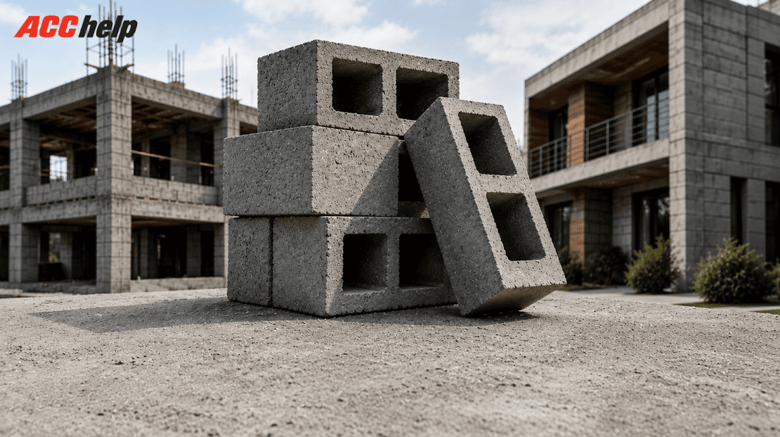
Ideal when you need the strength of concrete without all the weight. This type uses lightweight aggregates to reduce its density. It’s often used in:- Precast panels
- Roof slabs
- Non-load-bearing walls
- High-Strength Concrete
With a compressive strength above 40 MPa, this concrete material is perfect for projects that need to stand up to serious stress. You’ll often see it in:- Skyscrapers
- Dams
- Heavy-load areas like industrial floors
- High-Performance Concrete
This one takes it up a notch. Designed for durability, resistance to extreme weather, and better workability, high-performance concrete is used in:- Offshore structures
- Nuclear plants
- Projects in extreme climates
- Precast Concrete
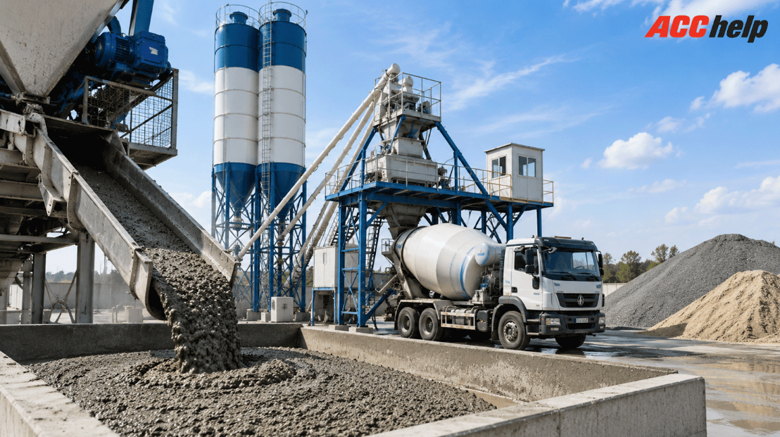
Made in a factory setting and transported to the site, precast concrete is ideal when speed and quality control matter. It’s used for:- Beams and columns
- Staircases
- Wall panels
Our Role in Your Concrete Choice
At ACC Cement, we offer specialised concrete solutions for different needs:
- Building something tall and strong? Our high-strength mixes deliver dependable performance.
- Want better thermal or sound insulation? We’ve got lightweight and self-levelling options.
- Focusing on sustainability? Our eco-friendly alternatives help reduce carbon emissions while maintaining quality.
Whether you're looking for a concrete that sets fast, flows easily, or lasts longer, we have a product that fits your exact requirement.
Our Concrete Range at a Glance
To match every construction need, we’ve created a wide variety of concrete solutions:
- ACC Jetsetcrete – Perfect for quick-setting applications with high early strength.
- ACC Ultivacrete – Designed for heavy-duty structures like bridges and high-rises.
- ACC Imprintcrete – Great for beautiful, low-maintenance floors and pavements.
- ACC Fibercrete – Reinforced for durability, ideal for industrial flooring.
- ACC ECOMaxX – A sustainable choice with up to 30% less carbon emissions.
- ACC Flowcrete – Self-compacting and highly flowable for faster casting.
- ACC Colorcrete – Add color and personality to your concrete finishes.
- ACC Permecrete – Allows surface water drainage, ideal for rainwater harvesting.
- ACC Column 4 & 6 – Designed for stronger, smoother concrete columns.
- ACC AEROMaxX – Lightweight filler with thermal insulation benefits.
- ACC Feathercrete – Ultra-lightweight, thermally efficient, and easy to apply.
- ACC Coolcrete – Keeps concrete cooler, reducing thermal cracks and boosting durability.
Final Thoughts
Making the right choice when it comes to the various types of concrete is as important as choosing the right location for your home. You only build once, so it’s vital to get the mix right from the start. Poor concrete quality can cause cracks, dampness, or worse structural failure.
At ACC Cement, we’re not just supplying materials, we’re helping you build a future. With decades of experience and a range of carefully engineered products, we make sure every mix lives up to the promise of durability, safety, and peace of mind.
Let’s build it right, together from the ground up.