
Ready Mix Concrete Price Guide: What Affects the Cost?

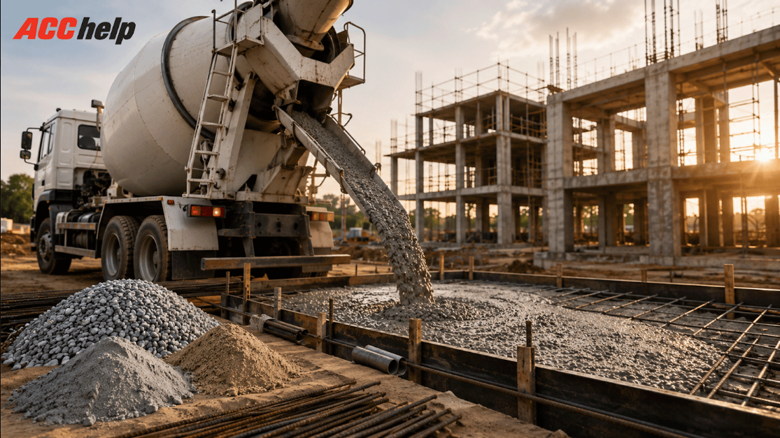
Table of Content
Building a home is one of the biggest financial investments for most families, and managing construction costs carefully becomes essential from the very beginning. If you are planning residential construction in India, you have probably compared the ready mix concrete price with traditional site mixing to understand which option offers better value.
Ready-mix concrete has become an increasingly popular choice for modern construction projects because it saves time, reduces material wastage, and delivers more consistent quality. However, its overall cost can still vary considerably depending on factors such as concrete grade, transportation distance, location, order quantity, and site conditions. In this context, understanding what influences pricing becomes important because it helps homeowners prepare realistic budgets and make informed decisions.
Additionally, having clarity on these factors allows you to negotiate better with suppliers, plan your project finances more accurately, and avoid unexpected expenses once construction begins and mixer trucks start arriving at the site.
What Is Ready Mix Concrete, and Why Are Homeowners Choosing It
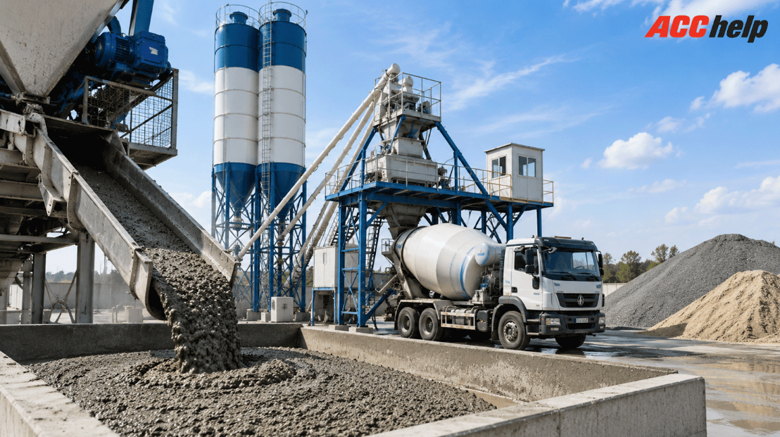
Ready mix concrete (RMC) is a pre-mixed construction material manufactured at a batching plant using cement, sand, aggregates, and water before being delivered to the site in a transit mixer.
Unlike traditional site mixing, which largely depends on labour and manual measurements, RMC provides a factory-controlled mix that ensures consistent quality and strength. As a result, many residential builders across Indian cities are increasingly moving towards this solution, even if the ready-mix concrete price may initially appear higher than conventional mixing methods.
In this context, the benefits become particularly important for first-time home builders. On-site mixing often depends on factors such as labour skill, weather conditions, and accurate water measurement. For example, even a minor error in the water-cement ratio can significantly affect the strength and durability of a slab, and such issues are difficult to correct once the concrete has cured. This is why ready mix concrete is gaining popularity among homeowners who want greater reliability and long-term performance from their homes. Additionally, it eliminates the need to store large quantities of sand and aggregates on-site, which is especially useful for homeowners building on smaller urban plots where space is limited.
What Affects Ready Mix Concrete Price
Several factors decide what you eventually pay, and understanding them helps you avoid overpaying.
Concrete Grade
Higher grades like M25 or M30 need more cement per cubic meter, so the ready-mix concrete price climbs as strength requirements rise. A simple foundation may only need M15 or M20, while slabs and columns usually call for M25 and above.
Location and Transport Distance
Batching plants sit mostly outside city centres; the farther your site is from the plant, the more you pay in transport and pumping charges. This directly affects your overall concrete supply cost, sometimes by a wide margin in far-off areas.
Order Quantity
Small orders, especially below 3 to 4 cubic meters, often attract a surcharge because the plant still dispatches a full mixer truck.
Site Access and Pumping
If a concrete pump is needed to reach upper floors or tight corners, that adds a separate charge on top of the base RMC rates; multi-storey homes almost always need this.
RMC Rates Across Grades
| Grade | Approx. Price (per cubic meter) |
|---|---|
| M15 to M20 | ₹3,400 to ₹4,500 |
| M25 to M30 | ₹4,500 to ₹5,500 |
| M35 to M50 | ₹5,500 to ₹8,000 |
| M75 and above | ₹10,000 and above |
These figures usually cover material and standard delivery but exclude pumping charges, so always ask your supplier for a full breakdown before placing an order.
Doing a Simple Concrete Cost Calculation
A basic concrete cost calculation begins by determining the total concrete volume required for the project. In simple terms, you need to multiply the volume in cubic meters by the quoted rate for the selected concrete grade and then add pump charges, GST, and any applicable distance surcharge. For example, if a small foundation requires 15 cubic meters of M20 concrete at ₹4,200 per cubic meter, the material cost would be around ₹63,000 before additional expenses are included. Keeping this in mind, always request a detailed written quotation that clearly separates material, delivery, and pumping charges so you know exactly what you are paying for.
RMC vs On-Site Mixing: Which Saves More?
On-site mixing may appear cheaper initially because you only pay for raw materials such as cement, sand, and aggregates. However, once labour expenses, water wastage, inconsistent quality, and the possibility of rejected batches due to poor mixing are considered, the overall concrete supply cost often becomes comparable to or even higher than that of RMC.
Another important factor is time, as a site mixing team may require an entire day to complete a pour that an RMC truck and pump can finish within a few hours, and every additional day on-site further increases labour and supervision expenses that are rarely included in the initial budget. Consequently, for structural elements such as slabs, columns, and beams, most engineers prefer RMC because it offers better quality control along with greater convenience.
Getting the Best Value on Your Project
At the end of the day, the ready mix concrete price you pay depends on grade, distance, quantity, and site access, not just the base rate a supplier quotes over the phone. Compare quotes from at least two or three suppliers, ask for a clear breakdown of every charge, and match the grade to what your structural design actually needs rather than over-ordering strength you don't require. If you are still finalising your budget, ACC Help's construction cost calculator can help you estimate material costs, including cement, concrete, and labour, so you walk into your project with numbers you can trust.
Frequently Asked Questions
Q1. What is the average ready-mix concrete price in India?
Standard grades like M20 to M25 typically cost ₹4,000 to ₹5,500 per cubic meter, though RMC rates vary by city, distance, and supplier.
Q2. How do I do a quick concrete cost calculation for my home?
Multiply your required volume in cubic meters by the grade's rate, then add pumping and GST for an accurate concrete cost calculation.
Q3. Does the concrete supply cost include pumping charges?
Usually not. Base rates cover material and standard delivery only, so pumping, long-distance transport, and small-load surcharges add to your total concrete supply cost separately.
Q4. Is ready-mix concrete cheaper than on-site mixing?
Not always upfront, but factoring in labour, wastage, and rejected batches, the ready mix concrete price often works out comparable or better for structural work.
Q5. What grade of concrete do I need for a residential foundation?
Most residential foundations use M15 or M20, while slabs and columns typically need M25 or higher, which affects the final RMC rates you pay.
Q6. Can I negotiate ready mix concrete price with suppliers?
Yes. Ordering in bulk, avoiding small-load surcharges, and comparing multiple suppliers can help you get a better ready-mix concrete price for your project.