
Building an Eco-Friendly Home Without Compromising Strength

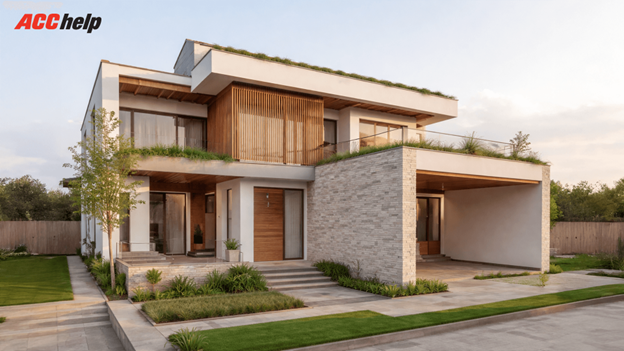
Table of Content
Building a home today is about making choices that are better for the environment and for the future. More homeowners are now thinking about sustainability, but there is still one common concern.
Will an eco-friendly home be as strong and durable as a conventional one?
The answer is yes, if you plan it right.
Sustainable construction does not mean compromising on strength. In fact, with the right materials and smarter planning, you can build a home that is both environmentally responsible and structurally reliable.
Let’s understand how you can achieve that balance.
What Does an Eco-Friendly Home Really Mean?
An eco-friendly home is designed to reduce its impact on the environment while still offering comfort and durability. It focuses on using resources efficiently and making smarter material choices.
This includes:
- Reducing energy consumption
- Using sustainable building materials
- Improving natural ventilation and lighting
- Minimising water usage
- Building structures that last longer with less maintenance
The goal is simple. Build a home that works with nature, not against it. And when done right, it also improves your everyday living experience.
Why Eco-Friendly Homes Are Becoming the Preferred Choice
Growing bigger than just a passing trend, sustainable homes are becoming a practical choice for homeowners across India.
Here’s why:
Lower Running Costs
Energy-efficient designs reduce electricity consumption, which means lower monthly bills.
Better Indoor Comfort
Homes designed with natural ventilation and better materials feel cooler, healthier, and more comfortable.
Long-Term Savings
Durable materials reduce the need for frequent repairs and maintenance.
Higher Property Value
Eco-friendly homes are increasingly in demand and often have better resale value.
But all of this works only when sustainability is combined with structural strength.
The Myth: Eco-Friendly Means Less Strong
One of the biggest misconceptions is that green construction compromises strength.
In reality, strength depends on:
- Material quality
- Proper construction practices
- Correct mix design
- Skilled execution
Modern eco-friendly materials are engineered to deliver both performance and sustainability. In many cases, they actually improve durability by reducing issues like cracking, seepage, and heat stress.
So instead of thinking “green vs strong,” the better way to think about it is “green and strong.”
Key Elements of a Strong and Sustainable Home
To build an eco-friendly home that lasts, you need to focus on a few key areas:
1. Smart Design
Good design reduces dependency on artificial systems. Orient your home for natural light, allow cross ventilation, and use compact and efficient layouts. This reduces energy use without affecting comfort.
2. Efficient Use of Materials
Avoid overuse of materials without compromising structural needs. Optimised construction reduces waste and improves efficiency.
3. Choosing the Right Construction Materials
This is where the real difference lies because the materials you choose decide the strength of your structure, thermal comfort inside your home, resistance to moisture and weather, and long-term durability And today, you have options that deliver both performance and sustainability.
Building Sustainably with ACC ECOMaxX Ready Mix Concrete
Concrete is one of the most widely used materials in construction, but it also contributes significantly to carbon emissions. That’s where the ACC ECOMaxX Ready Mix Concrete makes a difference. It is designed to reduce the carbon footprint of construction while maintaining high performance.
With ACC ECOMaxX, you get:
- Lower CO₂ footprint, supporting greener construction
- Reduced heat of hydration, which helps minimise thermal cracking
- Improved durability, especially in challenging environments
This means you can build strong foundations, slabs, and structures while making a more responsible environmental choice.
Sustainable Solutions for Strong Walls
Walls form a major part of your home, and choosing the right masonry materials can significantly impact both strength and sustainability.
ACC Green Bricks
If you’re looking for durability along with a clean finish, ACC Green Bricks are a reliable option.
They offer:
- High strength for long-lasting performance
- Resistance to efflorescence (white salt deposits)
- Better protection against seepage
Their uniform size also helps reduce mortar usage and improves construction efficiency.
ACC Green AAC Blocks
For homeowners who want lighter yet strong wall solutions, ACC+ Green AAC Blocks are a great choice.
They provide:
- Fire resistance for added safety
- Lightweight structure that reduces load on foundations
- Sound insulation for quieter interiors
Because they are lighter, they also make construction faster and more efficient without compromising strength.
ACC Green Concrete Hollow & Solid Blocks
These blocks are designed to make construction easier while maintaining structural performance.
They offer:
- Faster and easier installation
- Better thermal protection, keeping interiors cooler
- Cost-effective construction without quality compromise
They are especially useful when you want both efficiency and durability in your building process.
Strength and Sustainability Can Work Together
When you combine the right materials with good construction practices, you create a home that performs better in every way.
For example:
- Using sustainable concrete reduces cracking and improves lifespan
- Lightweight blocks reduce structural load and improve efficiency
- Uniform masonry improves finish and reduces material wastage
These small decisions add up to a home that is:
- Strong
- Comfortable
- Cost-efficient
- Environmentally responsible
Practical Tips to Build an Eco-Friendly Yet Strong Home
If you’re planning your home, here are a few simple tips to keep in mind:
- Choose materials that offer both durability and sustainability
- Avoid overdesigning structural elements unnecessarily
- Focus on proper curing and construction practices
- Plan for ventilation and natural lighting from the start
- Work with experienced professionals who understand modern materials
Final Thoughts
Building an eco-friendly home does not mean compromising on strength. With the right approach, you can achieve both. By combining smart design with high-performance materials like ACC ECOMaxX Ready Mix Concrete, ACC Green Bricks, and AAC Blocks, you can create a home that is strong, durable, and sustainable.
Because the future of construction is about building better.
FAQ
Q.1 What is green cement and how does it support sustainable construction?
Green cement is made using eco-friendly processes and materials that reduce carbon emissions. It supports sustainable construction by lowering environmental impact while maintaining durability. Solutions like ACC ECOMaxX help you build responsibly without compromising structural performance.
Q.2 Is green cement as strong and durable as conventional cement?
Yes, modern green cement is designed to match or even improve durability compared to conventional cement. With proper mix design and construction practices, it offers long-term strength while also reducing environmental impact.
Q.3 What is RCC cement and why is it important in reinforced concrete structures?
RCC cement is used in reinforced concrete where cement works together with steel to handle load and stress. It ensures strength, stability, and durability in slabs, beams, columns, and foundations across residential construction.
Q.4 What factors affect cement price in India?
Cement price depends on raw material costs, transportation, fuel prices, demand cycles, and regional availability. Even logistics and seasonal demand can influence pricing, which is why cement rates may vary across cities and project timelines.
Q.5 Where can green concrete and sustainable building materials be used in a home?
You can use them in foundations, slabs, walls, and even pavements. Products like ACC ECOMaxX concrete and green bricks help improve durability while supporting eco-friendly construction practices across different parts of your home.