
Different Types of Door Frames Used in Modern Construction

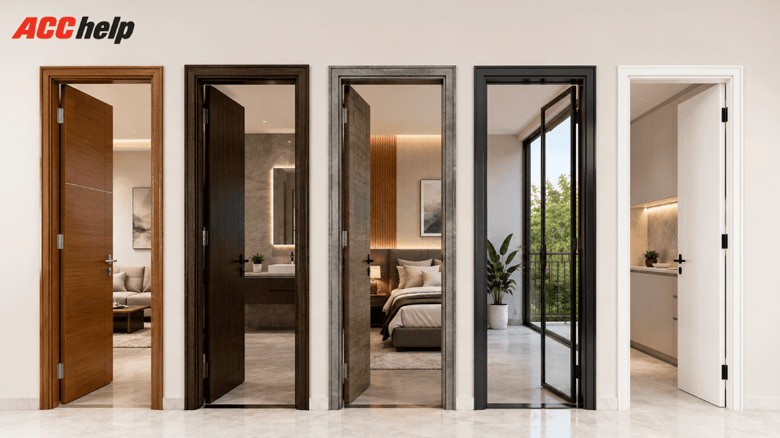
Table of Content
Doors often receive most of the attention during home construction, but the frame supporting the door is equally important. A good frame improves strength, ensures smooth operation, and increases the life of the door. It also affects maintenance requirements and the overall appearance of a home.
Today, homeowners can choose from several types of door frames based on budget, durability, and local weather conditions. That is why understanding different options can help you make a practical decision for long-term performance. The same considerations also apply when selecting window and door frames, as both play an important role in the safety and comfort of a house.
Why Choosing the Right Door Frame Matters
Door frames are installed permanently and are difficult to replace later without additional repair work. A poor choice can lead to problems such as moisture damage, termite attacks, cracks, or frequent maintenance.
When selecting among various types of door frames, homeowners should consider:
- Durability and strength
- Resistance to moisture and termites
- Maintenance requirements
- Cost and long-term value
- Suitability for local climate conditions
A well-chosen frame can continue performing efficiently for decades.
Wooden Door Frames
Wood remains one of the most widely used materials in Indian homes. Wooden frames offer a classic appearance and work well with both traditional and modern interiors.
Advantages
- Attractive and premium finish
- Good strength for heavy doors
- Easy to customize and polish
Limitations
- Can be affected by termites if not properly treated
- Requires periodic maintenance
- Some varieties may absorb moisture and expand over time
Wooden frames are commonly used for main entrances and bedroom doors because of their warm and elegant appearance.
Steel and Aluminium Frames
Among modern types of door frames, metal options are becoming increasingly popular. Metal door frames made from steel or aluminium are known for their durability and low maintenance requirements.
Advantages
- High strength and long service life
- Resistant to termites and moisture
- Suitable for areas exposed to the weather
Limitations
- May not provide the same traditional appearance as wood
- Steel frames can be more expensive, depending on the finish quality
Aluminium frames are lightweight and commonly used in balconies, utility spaces, and modern homes. Steel frames are often preferred where additional security is required.
uPVC Door Frames
uPVC frames have gained popularity because of their weather resistance and affordability.
Advantages
- Water resistant
- Low maintenance
- Resistant to corrosion and termites
Limitations
- Limited design options
- Less suitable for heavy entrance doors
These frames are commonly used for bathrooms, balconies, and utility areas, especially in regions with high humidity.
Concrete Door Frames
Concrete door frames are made using reinforced cement concrete and are generally installed during construction.
Advantages
- Strong and durable
- Resistant to moisture and termites
- Suitable for long-term use
Limitations
- Heavy and difficult to modify later
- Limited design flexibility
- Installation requires careful planning
Although concrete door frames are less common in premium residential projects today, they continue to be used in budget housing and areas where durability is a major concern.
WPC and Composite Frames
Wood Plastic Composite (WPC) frames combine wood fibres with plastic materials. They are increasingly being used in modern homes.
Advantages
- Resistant to moisture and termites
- Lower maintenance requirements
- Suitable for bathrooms and wet areas
Limitations
- May not support very heavy doors effectively
- Quality can vary between manufacturers
For homeowners looking for practical and low-maintenance window and door frames, WPC can be considered for selected areas of the house.
How Construction Materials Influence Frame Performance
The performance of door frames also depends on the walls around them hence strong and dimensionally accurate wall materials help ensure better installation and long-term stability.
Building materials such as concrete blocks offer uniform dimensions and improved strength, helping create properly aligned openings for doors and windows. Accurate wall construction can reduce the chances of frame movement and improve overall durability.
Using quality materials throughout the construction process ensures that both frames and doors perform efficiently for many years.
Which Door Frame is Best for Your Home?
There is no single option that suits every home. The right choice depends on usage and location.
- Main entrance: Wooden or steel frames
- Bathrooms and utility areas: uPVC or WPC frames
- Budget projects: Concrete door frames
- Modern homes: Aluminium and other metal door frames
Homeowners should look beyond the initial purchase cost and consider factors such as durability, maintenance needs, and replacement expenses. Therefore, investing in the right material from the beginning can help reduce future repair costs.
Choosing the Right Door Frame for Long-Term Performance
Selecting the right types of door frames is an important part of building a functional and long-lasting home, from traditional wooden frames to modern metal door frames and durable concrete options, each material offers different advantages in terms of strength, appearance, and maintenance.
Similarly, choosing suitable window and door frames can improve both the practicality and overall appearance of a home. Hence, understanding the benefits of each option can help homeowners make informed decisions that suit their budget, lifestyle, and long-term needs.
Frequently Asked Questions
Q1. Which type of door frame is most durable?
Steel and concrete door frames are considered highly durable because they resist moisture, termites, and weather conditions. However, properly treated wooden frames can also last for several decades with regular maintenance.
Q2. Are metal door frames suitable for residential homes?
Yes. Metal door frames are increasingly used in modern homes because they offer strength, security, and low maintenance, especially for main entrances and external doors.
Q3. How do I choose among different types of door frames?
Consider factors such as climate, budget, maintenance requirements, door weight, and the location of installation before selecting the most suitable frame material.
Q4. Can Concrete Blocks improve door frame performance?
Yes. Concrete Blocks provide accurate dimensions and strong wall support, helping maintain proper alignment and improving the long-term stability of door and window installations.
Q5. Which materials are commonly used for window and door frames?
Wood, steel, aluminium, uPVC, WPC, and concrete are among the most commonly used materials for window and door frames in residential construction today.