
Choosing Cement That Protects Your Home from Dampness

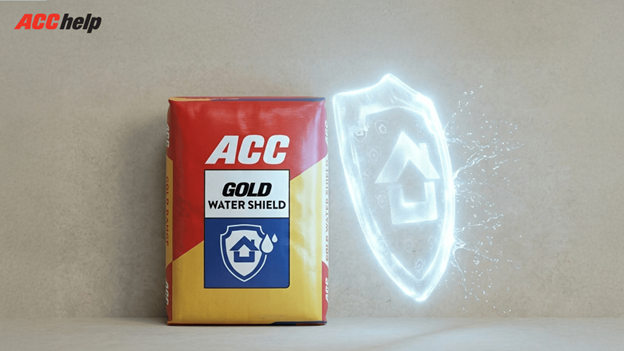
Table of Content
Dampness is one of those problems that slowly creeps into your home. At first, it may just look like a small patch on the wall or slight peeling of paint. But over time, it becomes much more serious. You start noticing stains, a musty smell, cracks in plaster, and sometimes even structural damage. What seems like a surface issue is often a deeper problem that begins inside the walls.
If you are building a home or even renovating one, choosing the right cement can make a big difference in preventing dampness from the start.
What Causes Dampness in Homes?
Dampness happens when moisture enters your walls, slabs, or foundations and stays trapped inside. This moisture can come from multiple sources.
Some common causes include:
- Rainwater seepage through walls and roofs
- Groundwater entering through foundations
- Poor waterproofing during construction
- Cracks or gaps in concrete
- High humidity in certain climates
Concrete and mortar naturally have tiny pores. Water travels through these pores over time, especially if the structure is not well protected. That’s why dampness often begins deep inside the structure.
Why Dampness Is a Bigger Problem Than It Looks
Many homeowners treat dampness as a cosmetic issue. But in reality, it affects both comfort and structural health.
Here’s what dampness can lead to:
- Peeling paint and damaged interiors
- Growth of mould and fungus
- Weakening of walls and plaster
- Unpleasant odours inside the home
- Increased maintenance costs over time
If ignored for too long, it can even affect the strength of your home.That’s why it is always better to prevent dampness rather than fixing it later.
Why Traditional Fixes Are Not Enough
When dampness appears, most people try surface-level solutions like repainting or applying waterproof coatings. While these may give temporary relief, they do not address the root cause.
The real issue lies inside the structure, where water has already entered through pores and cracks. Unless you stop water from entering in the first place, the problem keeps coming back.
How Waterproof Cement Helps Prevent Dampness
Waterproof cement is designed to reduce the movement of water through concrete and mortar. Instead of allowing water to pass through micro-pores, it works at a particle level to block those pathways.
This gives you:
- Reduced water absorption
- Better resistance to seepage
- Improved durability of walls and slabs
- Lower chances of damp patches forming
When your cement itself resists water, your structure stays protected from the inside. This is a much more effective approach than trying to fix dampness after it appears.
Choosing the Right Cement Makes All the Difference
Not all cement offers the same level of protection against moisture.
When selecting cement for your home, especially in areas like:
- Foundations
- Roof slabs
- External walls
- Water tanks
you need something that goes beyond basic strength.
You need cement that also protects against water-related damage.
How ACC Gold Water Shield Cement Helps
When you are building a home, preventing dampness should be part of your plan from day one and ACC Gold Water Shield Cement is the product specifically designed to help you do that. It is designed with a unique water-repellent formula that helps protect your home from seepage at the particle level.
Here’s how it makes a difference:
Freedom from Seepage
ACC Gold Water Shield Cement reduces water entry into the structure by limiting absorption through pores.
This helps protect:
- Foundations from groundwater
- Walls from rainwater seepage
- Roof slabs from moisture penetration
Value for Money
When dampness is prevented early, you avoid repeated expenses later.
This means:
- Less repainting
- Fewer repairs
- Lower maintenance costs
Instead of fixing the same problem again and again, you solve it at the source.
Peace of Mind
A home protected against moisture stays stronger and healthier. You don’t have to worry every monsoon season or deal with recurring damp patches and you get a structure that performs reliably over time.
Where You Should Use Waterproof Cement
To get the full benefit, waterproof cement should be used in key areas of construction.
These include:
- Foundation concrete
- Roof slab casting
- External and internal walls
- Beams and columns
- Brick masonry
- Water retaining structures like tanks
Using it across these areas creates a consistent protective layer throughout your home.
Small Construction Practices That Also Help
Along with choosing the right cement, a few good construction practices can further reduce dampness risks:
- Ensure proper curing of concrete
- Maintain correct water-cement ratio
- Avoid adding extra water during mixing
- Provide proper slope for drainage on roofs
- Use good quality plaster for external walls
When materials and execution work together, your home becomes far more resistant to moisture.
Why Prevention Is Always Better Than Repair
Fixing dampness after construction is often:
- Expensive
- Time-consuming
- Temporary
Breaking walls, redoing plaster, and applying coatings can only go so far. But when you prevent water entry from the beginning, you avoid these problems completely. That’s why choosing the right cement at the construction stage is one of the smartest decisions you can make.
Final Thoughts
Dampness is not just a seasonal inconvenience. It is a long-term structural issue that can affect your home’s strength, comfort, and maintenance costs. By choosing waterproof cement like ACC Gold Water Shield Cement, you take a proactive step towards protecting your home from the inside. Because when water stays out, your walls stay strong, your interiors stay fresh, and your home stays worry-free for years.
FAQ
Q.1 What are the uses and benefits of ACC Gold Cement?
ACC Gold Cement is designed to resist water seepage and improve durability. It helps protect foundations, walls, and slabs from dampness, reduces maintenance needs, and keeps your home stronger and healthier over time.
Q.2 Which cement company is best for residential and commercial construction in India?
The best cement company is one that offers consistent quality, reliable performance, and strong supply support. ACC Cement is widely preferred because we focus on durability, innovation, and long-term construction reliability.
Q.3 How does cement price vary across different Indian states?
Cement prices vary based on location due to transportation costs, local demand, availability, and taxes. States closer to manufacturing plants may have lower prices, while remote or high-demand regions may see slightly higher rates.
Q.4 Is there a seasonal increase in cement prices during construction season?
Yes, cement prices often increase during peak construction seasons, especially before and during summer. Higher demand, increased infrastructure activity, and supply pressure can lead to temporary price hikes across many regions.
Q.5 Is waterproof cement necessary for all parts of a house?
Waterproof cement is especially important for areas exposed to moisture like foundations, slabs, and external walls. Using it in these areas helps prevent seepage and reduces long-term maintenance issues significantly.