
Common Seepage Problems and How Waterproof Cement Helps Prevent Them

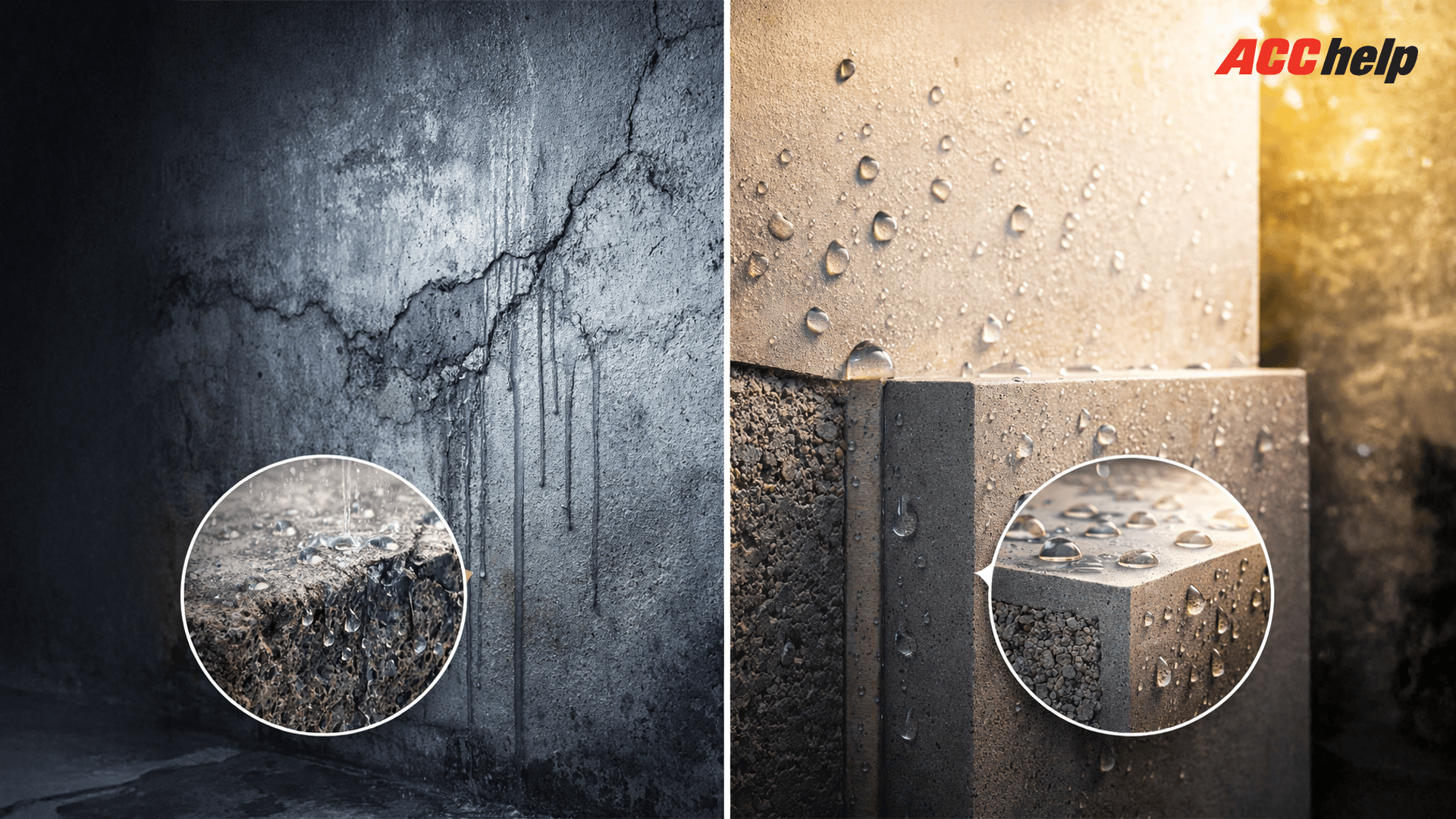
Table of Content
Water seepage is one of those problems you usually notice only after the damage has already begun. Maybe it is a damp patch on the wall, paint peeling off, or a musty smell that refuses to go away but before you know it, what looked like a small issue starts affecting your home’s strength and comfort.
If you are building a new home or maintaining an existing one, understanding seepage is the first step to stopping it. Many homeowners assume seepage is just a surface issue, but in reality, it often begins deep within the structure and slowly spreads outward over time.
Common Seepage Problems You May Face
Seepage can show up in many places across your home. It does not always look dramatic at first, but over time it can lead to serious structural and aesthetic damage. These problems usually begin silently and become visible only after moisture has already travelled through your construction layers.
1. Damp Walls
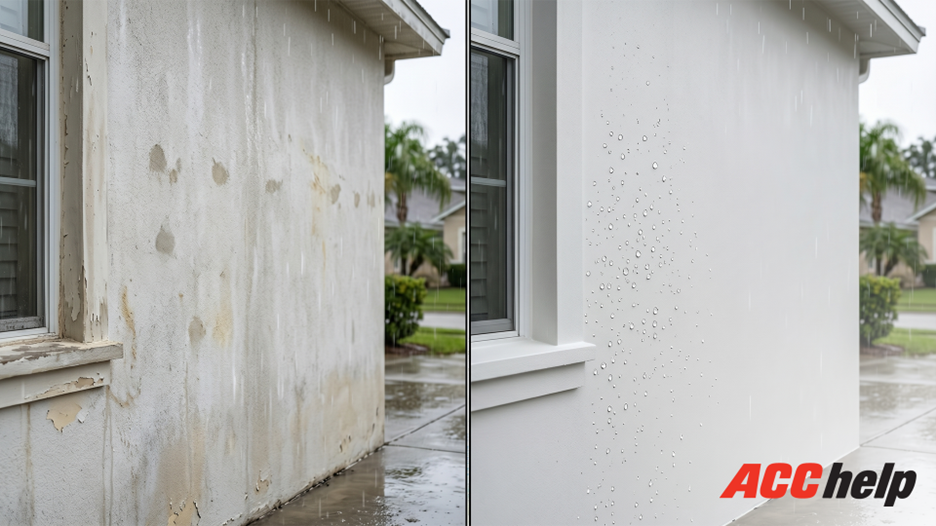
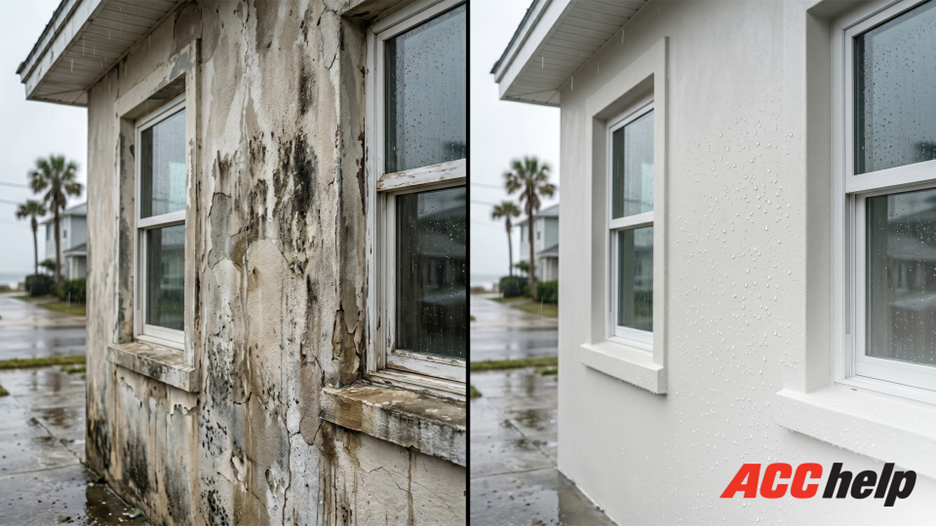
Dampness is often the earliest visible sign of seepage. It usually begins when moisture enters through micro pores in walls and gradually spreads across surfaces over time.
You may notice:
- Bubbling or peeling paint
- Discoloured patches
- A constant damp feeling on walls
2. Water Coming Through Foundations
Foundation seepage is one of the most serious concerns because it directly affects the structural stability of your home and may weaken the base over time.
It can happen due to:
- Groundwater pressure
- Poor water resistance in concrete
- Moisture entering through micro cracks
3. Roof Slab Leakage
Leakage through slabs often becomes noticeable during monsoon seasons when water starts entering through tiny pores left during construction or curing gaps.
This happens when:
- Concrete absorbs water
- Improper curing leaves pores open
- Water travels through capillaries in the structure
4. Seepage in Water Tanks
Water tanks are constantly exposed to moisture, which makes them more vulnerable to seepage if they are not built using water resistant materials.
This may result in:
- Leakage
- Structural weakening
- Long term repair costs
5. Efflorescence on Walls
Efflorescence is usually mistaken for an aesthetic, surface-level issue, but it is actually a sign that water is moving through your walls internally.
They form when:
- Water travels through walls
- Salts get deposited on the surface
The common root cause behind all these problems is simple.
Concrete and mortar naturally contain tiny pores. Water travels through these pores over time unless you stop it at the source.
How Waterproof Cement Makes a Difference
Instead of fixing seepage after it appears, if you have the option then the smarter approach is preventing water from entering in the first place. That is why choosing the right cement during construction is extremely important.
Waterproof cement works at a particle level. It reduces the pathways through which water can travel inside concrete.
This gives you:
- Protection from water seepage
- Longer life of walls and structures
- Reduced maintenance costs
- Better durability over time
When your cement itself resists water, your structure stays stronger from the inside.
How We Help with ACC Gold Water Shield Cement
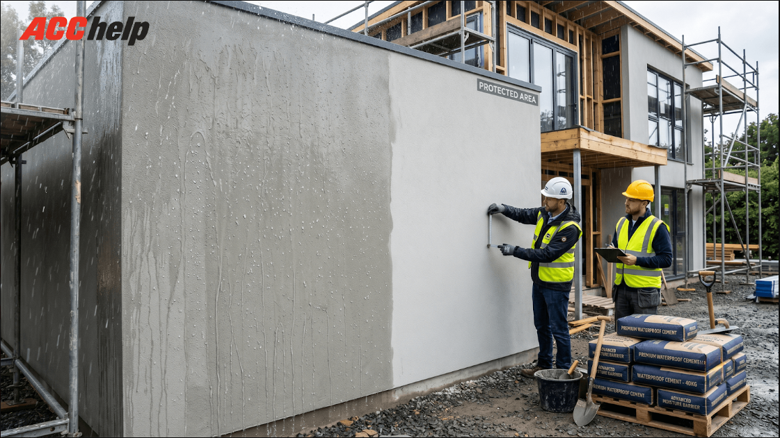
When you are building your home, choosing the right cement plays a huge role in preventing future seepage issues. ACC Gold Water Shield Cement helps protect your structure from the very beginning.
It comes with a unique water resistant formula that offers:
Freedom from Seepage
ACC Gold cement is designed to deliver water repellency at a particle level, helping reduce the chances of moisture entering your structure in the first place.
This helps:
- Reduce water absorption
- Protect foundations
- Prevent damp walls
Value for Money
By preventing seepage at the construction stage itself, you avoid recurring expenses that usually arise due to moisture damage inside the home.
When seepage is controlled early, you avoid:
- Frequent repainting
- Repair work
- Interior damage
Peace of Mind
A home protected against water seepage stays stronger and requires less maintenance, giving you confidence that your structure is safe through all seasons.
When your home is protected from water entry, you do not have to worry every monsoon season.
You get a structure that stays stronger for longer.
Where You Can Use It
ACC Gold Water Shield Cement is suitable for multiple structural applications where long term resistance to moisture becomes important for durability.
You can use it across:
- Foundations
- Slabs
- Beams and columns
- Internal and external walls
- Brick masonry
- Water retaining structures
This makes it a reliable solution across your entire construction process.
Instead of treating seepage later, you stop it before it begins.
Want Even Stronger Protection? Add LeakBlock Plaster
While internal protection is essential, external plaster protection also plays a major role in preventing moisture from entering the structure. It is also a great solution if you are too late in choosing a waterproof cement. ACC LeakBlock Waterproof Plaster can help you protect your home against seepage.
ACC LeakBlock Waterproof Plaster LB 101 offers:
- Excellent water resistance
- Self curing properties
- Resistance to efflorescence
You can use it for:
- External plastering of walls
- Internal plastering of walls and ceilings
- Repair and patch work
When used along with ACC Gold Water Shield Cement, it helps create a double shield against water seepage.
Building a Home That Stays Protected
Seepage is not just a seasonal issue. It is a long term structural concern that can affect durability if not addressed early.
By choosing waterproof solutions early in construction, you protect:
- Your walls
- Your structure
- Your interiors
With ACC Gold Water Shield Cement forming the base protection and ACC LeakBlock Waterproof Plaster adding an extra layer, you can build a home that stays strong, dry and worry free for years.
Because when water stays out, your home stays safe.
FAQ
Q.1 What is waterproof cement and where should it be used?
Waterproof cement reduces water absorption within concrete, helping prevent seepage. ACC Gold Water Shield Cement is suitable for foundations, slabs, walls, and water-retaining structures where long-term moisture protection is important.
Q.2 What are the uses and benefits of ACC Gold Cement?
ACC Gold Water Shield Cement helps limit moisture entry and improve durability. It is recommended for structural elements like foundations and walls to reduce seepage risks and maintenance needs over time.
Q.3 Is ACC Gold Cement suitable for house construction?
Yes, it supports strong and moisture-resistant construction. ACC Gold Water Shield Cement helps protect structural elements from seepage, improving durability across key areas like slabs, masonry, and beams.
Q.4 Is ACC Gold Cement good for roof slabs?
Yes, roof slabs are prone to seepage over time. ACC Gold Water Shield Cement helps reduce water absorption, improving slab durability and minimising leakage risks during monsoon conditions.
Q.5 Where does seepage usually begin in a home?
Seepage often starts through micro-pores in foundations, slabs, or walls before becoming visible. Using ACC Gold Water Shield cement during construction or ACC LeakBlock Waterproof Plaster after it can help you reduce the risks of seepage in your home.