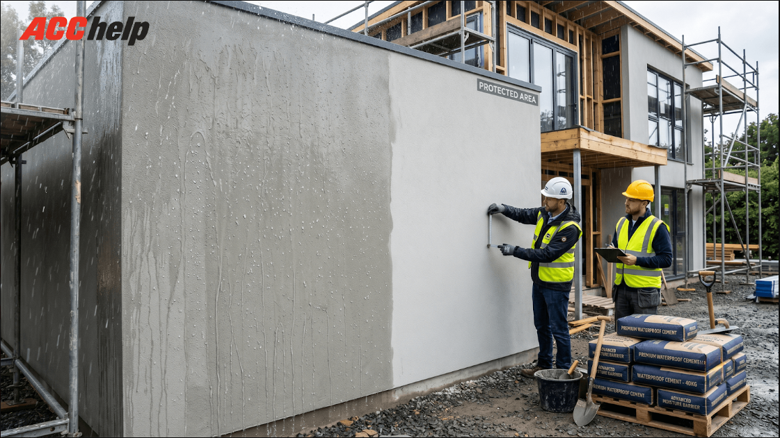

Why Waterproof Cement Matters More in Coastal and Humid Cities?

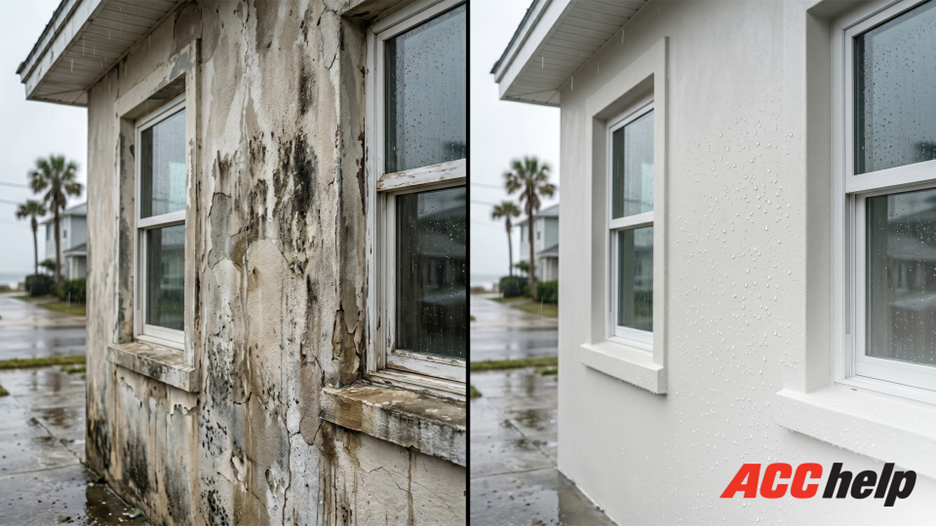
Table of Content
Building a home is often a once-in-a-lifetime milestone. However, if you are constructing in a coastal or high-humidity region like Mumbai, Chennai, Kolkata, or Kochi, the environment is working against your structure from day one. In these areas, the air is a carrier for moisture and corrosive salts.
Standard concrete is naturally porous. Under a microscope, it looks like a hard sponge full of tiny capillary tracts. In humid climates, these tracts act as highways for water, leading to damp walls, peeling paint, and the dreaded "concrete cancer." This is why waterproof cement is no longer a luxury,it is a structural necessity for longevity.
The Science of Humidity and Concrete Decay
In coastal cities, the relative humidity often stays above 70%. When moisture settles on a standard concrete surface, it undergoes a process called capillary absorption.
- Water Ingress: Moisture seeps into the slab.
- Carbonation: Carbon dioxide from the humid air reacts with the calcium hydroxide in the cement, lowering the concrete's pH.
- Chloride Attack: Salt from the sea breeze penetrates deep into the structure, reaching the steel reinforcement bars (rebar).
- Oxidation: The steel rusts and expands up to 10 times its original volume, cracking the concrete from the inside out.
By using high-quality ACC cement variants specifically engineered for water resistance, you create a chemical barrier that plugs these microscopic pores, effectively making the "sponge" watertight.
4 Reasons Waterproof Cement is Essential for Coastal Homes
1. Preventing "Saltpetre" and Efflorescence
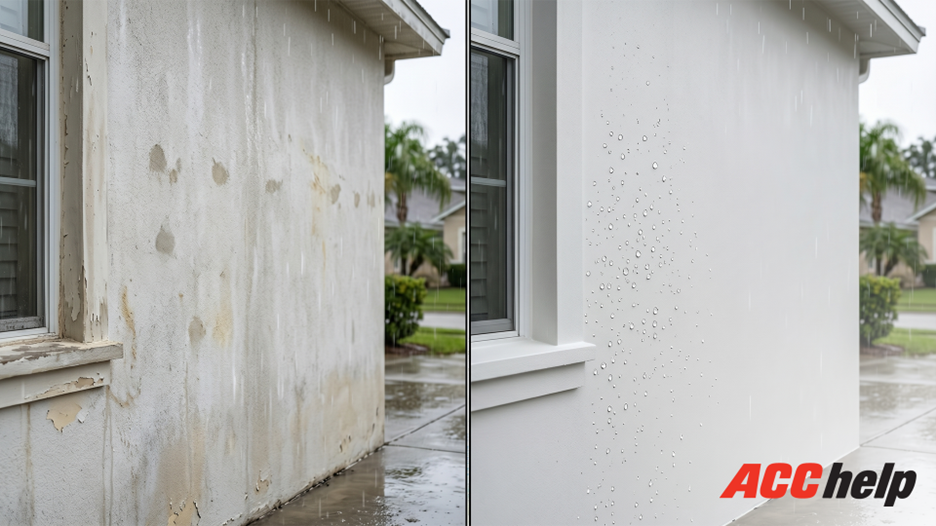
Have you ever seen white, powdery patches on a wall shortly after the monsoon? That’s efflorescence. Salt-laden water enters the wall and, as it evaporates, leaves mineral deposits behind. This doesn't just look ugly; it destroys the bond between the plaster and the bricks. Waterproof cement prevents this migration of salts, keeping your interiors pristine.
2. Protecting Steel Reinforcement
The skeleton of your house is the steel rebar inside the beams and columns. In humid zones, "Red Rust" is the silent killer of buildings. Once moisture reaches the steel, the structural integrity of the entire house is compromised. ACC cement provides a dense, low-permeability cover that acts as a shield for the steel, ensuring the "bones" of your home stay strong for decades.
3. Fighting Mold and Mildew
High humidity is a breeding ground for fungi. When walls stay damp internally, mold begins to grow behind wardrobes and in corners. This isn't just a maintenance issue; it’s a health hazard that can trigger respiratory problems. Using a water-repellent cement ensures that walls dry faster and do not retain the dampness that mold needs to thrive.
4. Reducing Long-term Maintenance Costs
While the initial cost of waterproof cement might be slightly higher than ordinary Portland cement, the "Life Cycle Cost" is significantly lower. Coastal homeowners often spend lakhs every 5 years on patch-up repairs and waterproof coatings. A home built with the right cement from the start can push major maintenance back by 15–20 years.
Why ACC Cement is the Gold Standard for Coastal Construction
ACC has been a pioneer in Indian construction for nearly a century. For humid regions, their specialized products like ACC Gold Water Shield are specifically designed with water-repellent properties.
| Feature | Standard Cement | ACC Waterproof Variants |
|---|---|---|
| Water Absorption | High (Porous) | Extremely Low |
| Corrosion Resistance | Minimal | High (Protects Rebar) |
| Surface Finish | Standard | Smoother (Less cracks) |
| Chemical Resistance | Low | High against Sulfates/Salts |
Best Practices for Using Waterproof Cement
To get the most out of waterproof cement, the application must be as good as the material.
Correct Water-Cement Ratio
The most critical step
Avoid the temptation to add too much water for "workability." Use the exact ratio recommended on the ACC cement bag. Excess water creates more capillaries when it evaporates, leaving the concrete porous.
Proper Compaction
Removing air pockets
Use mechanical vibrators during the pouring of slabs and columns. This ensures there are no "honeycombs" or air gaps where water can later settle.
The Curing Process
10-14 days minimum
In coastal heat, water evaporates quickly. Ensure the concrete is kept wet (cured) consistently. This allows the chemical crystals in the waterproof cement to grow and seal the pores effectively.
Cover Block Usage
Ensuring rebar depth
Always use cover blocks to ensure the steel rebar is at least 40mm–50mm deep inside the concrete. This provides a thick enough "waterproof" barrier between the salt air and the metal.
Conclusion: Building for the Future
If you are building in a city where the sea is a neighbor, the air is your greatest challenge. Standard materials are often insufficient against the relentless humidity and salt spray of the Indian coastline. Choosing waterproof cement is an investment in peace of mind.
By choosing a trusted brand like ACC cement, you aren't just buying bags of powder; you are buying a shield that protects your family's health, your home's aesthetics, and your financial investment. Don't let the humidity dictate the lifespan of your home,build it right the first time.
Expert Tip: Always check the manufacturing date on your cement bags. Fresh cement has the highest chemical activity, which is crucial for achieving the best waterproofing results.
To wrap up this guide, let's address the most common questions homeowners and builders have when switching to specialized materials. Integrating these answers will ensure your project remains resilient against the elements.
Frequently Asked Questions
Q.1 What is waterproof cement and where should it be used?
Waterproof cement is a specialized blend, like ACC cement Gold Water Shield, that contains water-repellent additives. Unlike standard cement, it is engineered to resist water penetration through capillary action. It should be used in any area exposed to moisture, including foundations, exterior walls, roofs, and water tanks.
Q.2 Where is waterproof cement used in home construction?
While it can be used throughout the structure, it is most critical in these "high-risk" zones:
- Basements and Foundations: To prevent groundwater from seeping upward.
- Roof Slabs: To stop leakage and dampness during heavy monsoons.
- External Plastering: To create a weather-shield against driving rain.
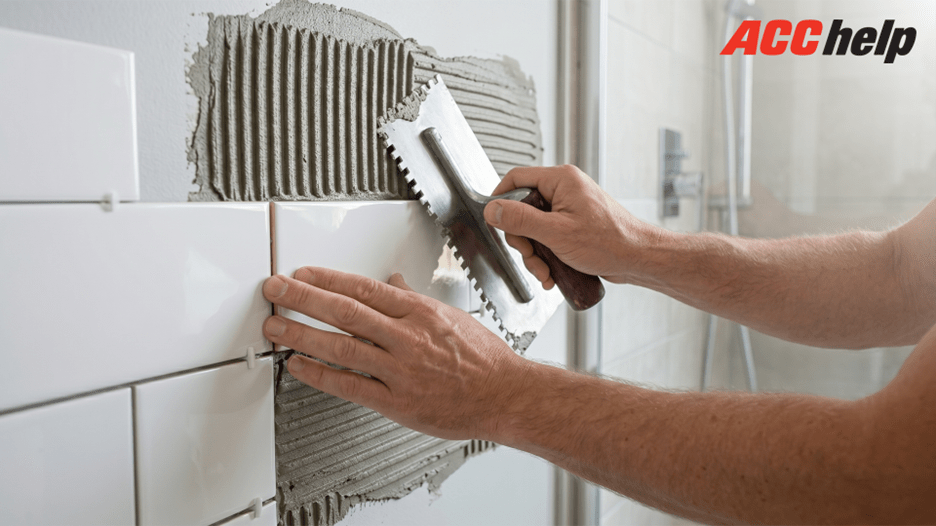
- Wet Areas: Bathrooms, kitchens, and balconies where water usage is constant.
Q.3 What are the benefits of using waterproof cement in building construction?
The primary benefit is structural longevity. By blocking moisture, you prevent the rusting of internal steel (rebar), which is the leading cause of building collapse. Additionally, it prevents aesthetic issues like peeling paint and "saltpetre" (white powdery deposits), and improves the indoor environment by preventing toxic mold growth.
Q.4 Is waterproof cement suitable for all types of residential construction?
Yes. Whether you are building a small independent house or a multi-story apartment complex, waterproof cement is compatible with all standard construction practices. It is particularly essential for RCC (Reinforced Cement Concrete) structures where protecting the internal steel is the priority.
Q.5 How does waterproof cement protect buildings from water damage?
It works through pore-blocking technology. Standard concrete has microscopic pores that "suck" in water like a straw. Waterproof variants from ACC cement contain specialized chemicals that react during the hydration process to seal these pores. This creates a hydrophobic (water-hating) barrier that forces water to bead off the surface rather than soaking in.