
Complete Vastu Guide for Home Construction: Room-Wise Tips for Every House

Table of Content
Design, space, and comfort are important factors that everyone thinks about when planning their home. But in India, there’s another layer that most homeowners naturally consider. Vastu Shastra. It’s not about superstition or rituals, but about designing a home that feels balanced, bright, and naturally comfortable. Whether you’re constructing from scratch or buying an apartment, understanding Vastu for home can help you create a space where energy, light, and movement feel just right.
Here’s a clear, simple room-wise Vastu guide to help you design a home that supports harmony and well-being.
What Is Vastu Shastra and Why It Matters
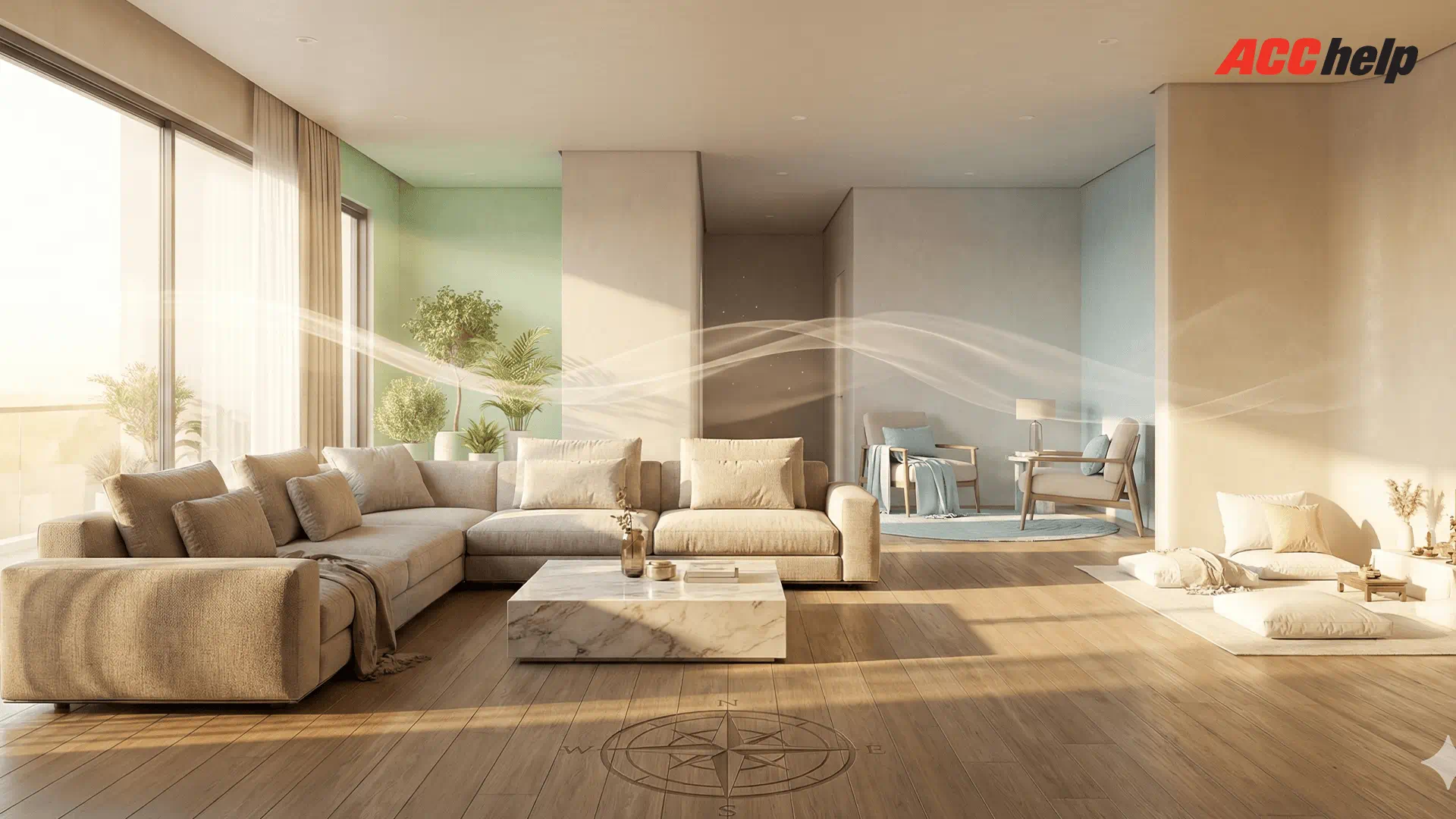
Vastu Shastra is an ancient Indian architectural system built around the five natural elements: earth, water, fire, air, and space. Its purpose is to make sure that your home’s layout allows energy to move smoothly through every room.
Good Vastu for home doesn’t mean changing your life or following rigid rules. It simply means to construct with the goal to have:
- Better airflow
- More natural light
- Functional room placement
- A healthier and calmer living environment
Most modern architects now combine Vastu with contemporary design so you can enjoy both logic and comfort.
Key Factors That Influence Vastu in Home Planning
Before we get into room-wise home vastu tips, here are the main elements every homeowner should consider:
1. Direction and Orientation
The direction your plot faces affects the placement of every room. Each direction is believed to influence energy differently.
2. Plot Shape and Slope
Square and rectangular plots offer the most balanced layout. Irregular shapes often need expert corrections.
3. Entry Points
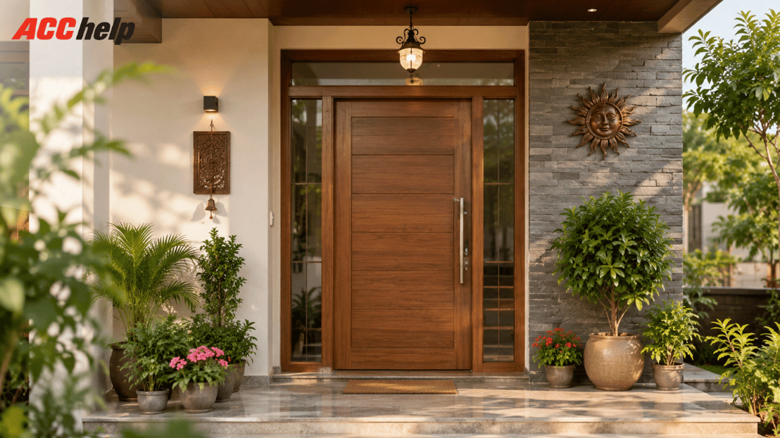
Your entrance is the main energy gateway, so its direction matters for natural light and ventilation.
4. Placement of Natural Elements
Water zones, fire zones, and open areas should align with Vastu directions to maintain balance.
5. Room Placement
Thoughtful zoning provides you with comfort, convenience, and harmony.
House Vastu Guidelines Based on Direction
East-Facing Homes
- Associated with fresh energy and good health
- Entrance ideally in the northeast
- Kitchen in the southeast
- Avoid bathrooms in the northeast
- Balconies and windows facing east for maximum daylight
West-Facing Homes
- Can be very positive when designed correctly
- Entry in the northwest
- Living room ideally east or north
- Kitchen in southeast or northwest
North-Facing Homes
- Ideal for growth, stability, and financial well-being
- Entrance in north or northeast
- Keep front areas open and light
- Avoid heavy storage in the north
South-Facing Homes
- Misunderstood but completely workable with proper planning
- Entrance in the southeast
- Master bedroom in the southwest
- Avoid kitchens in southwest
- Use bright, airy interiors to balance heat
Room-Wise Vastu Tips for Your Home
Kitchen Vastu
The kitchen represents fire and plays a major role in your home’s health, hygiene, and energy flow.
- Ideal direction: Southeast
- Cook facing east
- Avoid placing it near toilets or pooja rooms
Bedroom Vastu
A restful bedroom supports better sleep, emotional balance, and a peaceful environment that helps you unwind daily.
- Avoid mirrors facing the bed
- Keep electronic devices away from the headboard
- Southwest is ideal for the master bedroom
Pooja Room Vastu
The spiritual centre of the home. This area influences mental calmness, positivity, and the overall sense of harmony in your home.
- Place in northeast
- Idols should face east or west
- Avoid placing it near bathrooms or under stairs
Bathroom and Toilet Vastu
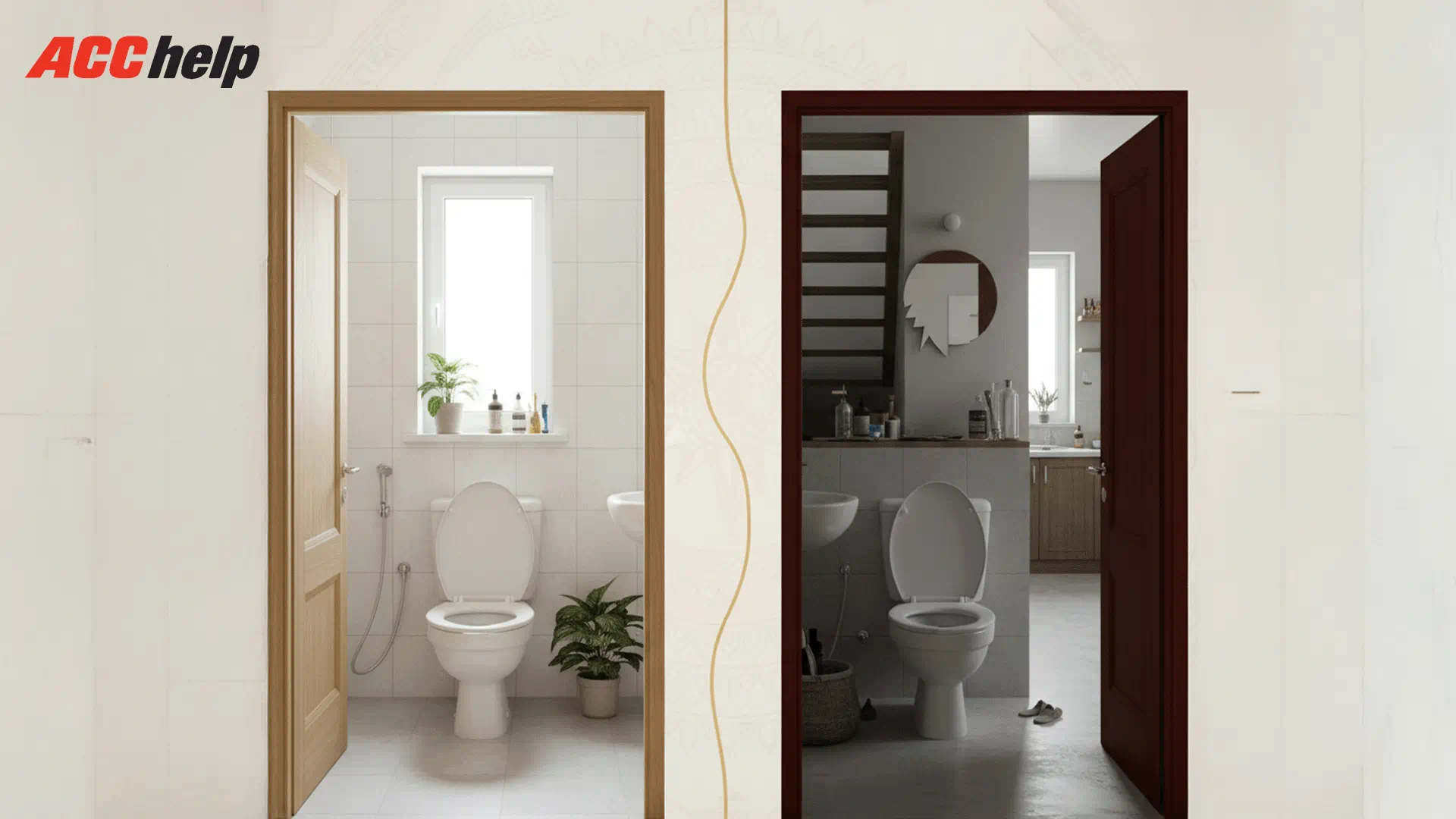
Improper bathroom placement can disrupt energy. Bathrooms play a functional role, and correct placement prevents energy stagnation and improves hygiene throughout the home.
- Ideal location: Northwest
- Ensure strong ventilation
- Avoid the northeast and centre of the home
Living Room and Dining Area Vastu
These are social, active spaces that shape family interaction, guest comfort, and the home’s overall movement and vibrancy.
- Best in north or east
- Dining near the kitchen
- Keep layouts open and clutter-free
Vastu for Interior Elements
Colours, furniture, and lighting play a role too. They affect mood and balance, helping your home feel naturally inviting and peaceful.
- Use light, calming colours
- Natural materials add warmth
- Keep the centre of your home open
Common Vastu Mistakes to Avoid
- Mirrors opposite the bed or entrance
- Kitchens placed in southwest or northeast
- Toilets near the centre or pooja room
- Overuse of dark colours
- Poor ventilation in northern areas
These small errors can be fixed easily through simple rearrangements or expert advice.
Vastu Tips for Apartments and Modern Flats
Even in compact layouts, Vastu can be applied effectively:
- Choose flats with entrances in east, north, or northeast
- Prefer balconies facing east or north
- Place the pooja unit in the northeast
- Avoid kitchens near main entrances
- Maintain symmetry in room sizes
How Vastu Shapes a Comfortable Home
Vastu is not about rigid rules or fear. It’s about designing a home where light, airflow, and room placement support your family’s comfort. Whether you’re building a bungalow or buying a flat, following basic Vastu principles can make your home feel more grounded and naturally happy.
A well-planned home isn’t just physically strong, it's emotionally and energetically balanced too. Combine Vastu with good quality materials from ACC Cement, durable structures, and reliable construction practices, and your home will serve you beautifully for years.