
Factors That Determine RMC Plant-to-Site Delivery Quality

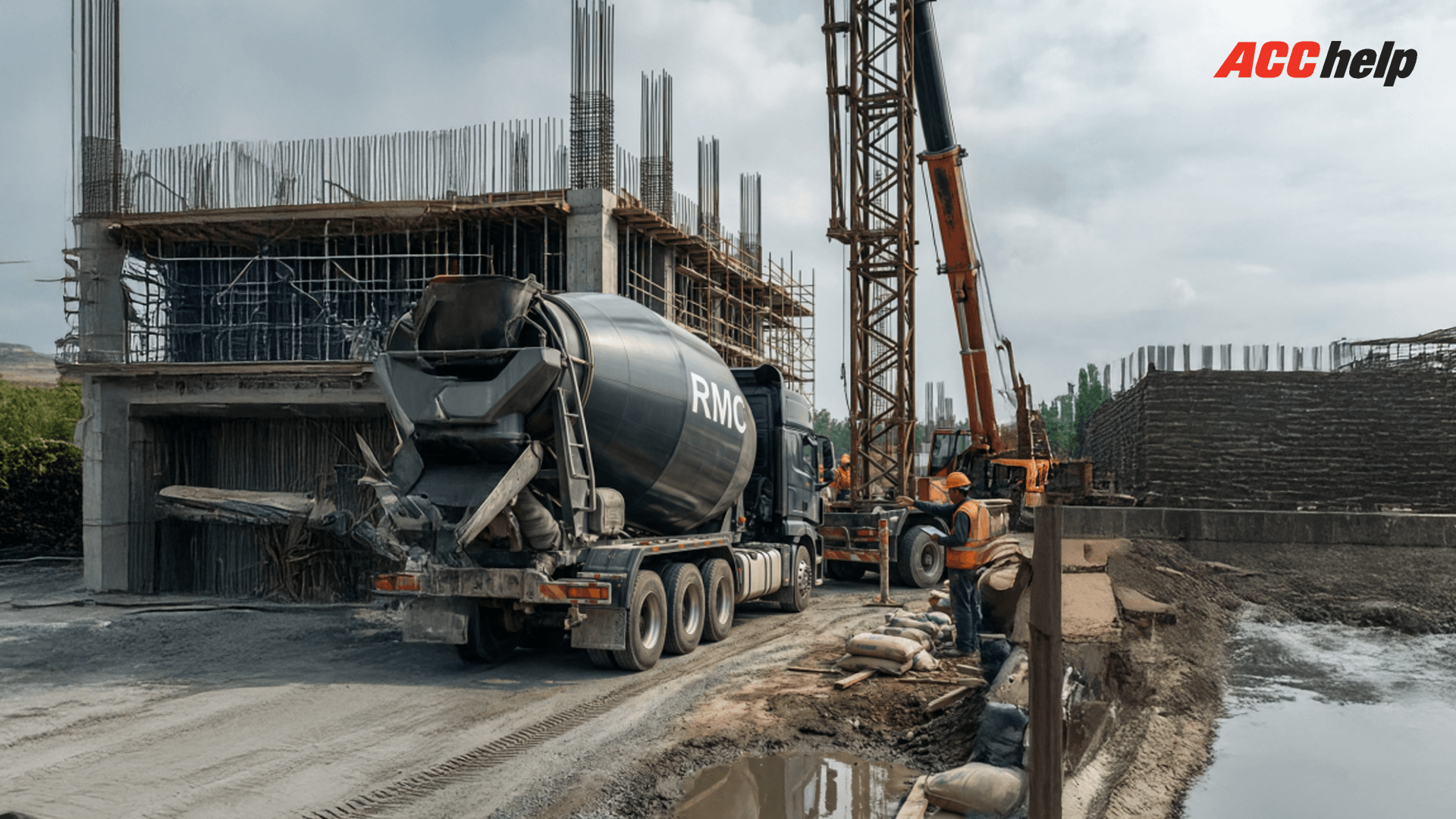
Table of Content
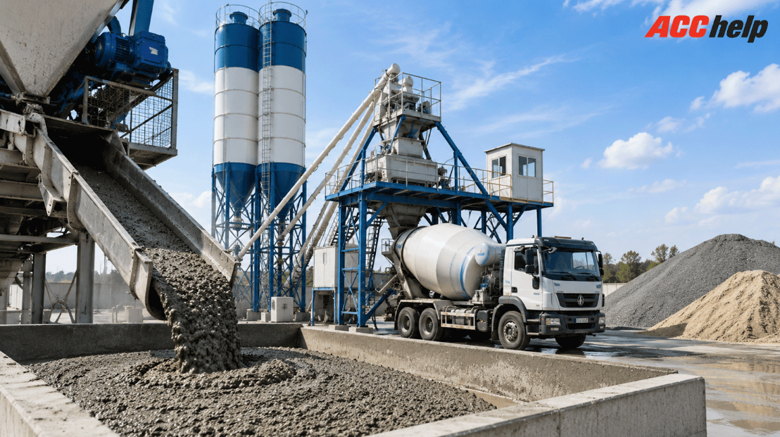
When people talk about ready mix concrete quality, they usually focus on the mix design or the grade ordered. But in real construction conditions, what happens between the ready mix concrete plant and your site is just as important. Even the best-designed concrete can lose performance if the delivery is poorly managed.
That is why plant-to-site delivery quality plays a crucial role in how concrete finally behaves once it is poured. From transit time to handling methods, several interconnected factors determine whether the concrete you receive performs exactly as intended.
Why Plant-to-Site Delivery Quality Matters
ACC ready mix concrete is designed to be used within a specific time window. Once batching is complete, chemical reactions slowly begin. If delivery is delayed or mishandled, concrete may lose workability, strength, or uniformity.
Maintaining quality from plant to site makes sure that the concrete placed in slabs, columns, or foundations performs exactly as designed.
Distance Between Plant and Construction Site
One of the most critical factors affecting delivery quality is distance.
Longer distances increase:
- Transit time
- Risk of slump loss
- Exposure to temperature variations
Concrete is a time-sensitive material. As travel time increases, the risk of reduced workability also rises. That is why plant location planning and route optimisation are essential for consistent quality.
Transit Time and Traffic Conditions
Traffic congestion can significantly affect concrete quality, especially in urban projects.
Extended transit times can lead to:
- Premature setting
- Reduced flow
- Need for on-site adjustments
Proper scheduling, real-time route monitoring, and buffer planning help reduce these risks. When delivery schedules are aligned with site readiness, concrete reaches the site in its optimal state.
Type and Condition of Transit Mixers
The transit mixer is not just a transport vehicle. It actively maintains concrete quality during movement.
Key factors include:
- Drum rotation speed
- Mixer cleanliness
- Mechanical condition of the drum
A well-maintained mixer allows for uniform mixing throughout the journey and prevents segregation or settlement of aggregates. Poorly maintained equipment can undo the benefits of a well-designed mix.
Temperature Control During Transport
Temperature has a direct impact on concrete behaviour.
High temperatures can:
- Accelerate hydration
- Reduce setting time
- Increase cracking risk
Low temperatures can:
- Slow strength development
- Affect early-age performance
Managing concrete temperature through controlled batching, proper scheduling, and suitable admixtures helps maintain consistent delivery quality across seasons.
Mix Design Stability During Transit
The concrete mix design itself must be stable enough to withstand transportation without segregation or bleeding.
Delivery quality depends on:
- Aggregate grading
- Water-cement balance
- Admixture compatibility
Well-designed mixes retain uniformity during transport so that what reaches the site is the same as what was batched at the plant.
Slump Retention and Workability Control
Slump retention refers to how well concrete maintains its workability over time.
If slump drops too quickly:
- Placement becomes difficult
- Compaction quality suffers
- Surface finish is compromised
Delivery quality improves when slump retention is designed into the mix rather than corrected on site. This reduces the temptation to add water, which can weaken concrete.
Unloading Time at Site
Even after the mixer reaches the site, delays during unloading can reduce quality.
Extended unloading times can lead to:
- Loss of consistency
- Partial setting in the drum
- Uneven concrete quality
Proper site access, clear pump positioning, and trained handling teams ensure concrete is placed within the intended time frame.
Use of Pumps and Placement Equipment
Concrete delivery quality is closely linked to placement methods.
Poorly chosen or poorly maintained pumps can cause:
- Segregation
- Blockages
- Inconsistent flow
Matching the ready mix concrete to the right placement equipment allows for smooth transfer from mixer to formwork without compromising quality.
Environmental Exposure During Delivery
Exposure to wind, direct sunlight, or rain during delivery and placement can affect concrete behaviour.
Protective measures such as:
- Covered discharge areas
- Controlled placement zones
- Proper curing preparation
help preserve concrete quality from arrival to final finishing.
Quality Checks at Arrival
Checking concrete at site is a critical part of delivery quality control.
Common checks include:
- Slump testing
- Visual consistency inspection
- Temperature measurement
These checks confirm that the concrete delivered matches the intended design and is suitable for placement without on-site alteration.
Role of Admixtures in Delivery Performance
Modern concrete relies heavily on admixtures to maintain quality during transport.
Admixtures help with:
- Slump retention
- Flow control
- Temperature management
When correctly selected and dosed, admixtures make sure that the concrete remains workable and uniform throughout transit.
Why Adding Water on Site Reduces Delivery Quality
One of the biggest threats to delivery quality is on-site water addition.
Adding water can:
- Reduce strength
- Increase shrinkage
- Affect durability
Delivery systems should be designed to eliminate the need for water addition by making sure that the workability is correct at dispatch.
Impact on Final Structural Performance
Poor delivery quality does not just affect placement. It can lead to:
- Honeycombing
- Lower compressive strength
- Reduced long-term durability
Consistent plant-to-site delivery quality protects the structural integrity of slabs, columns, beams, and foundations.
How Reliable Delivery Improves Project Outcomes
High delivery quality results in:
- Faster placement
- Better finishes
- Reduced rework
- Predictable strength development
This directly impacts construction speed, cost control, and overall project confidence.
Final Thoughts
ACC ready mix concrete quality does not end at the plant gate. Every stage between batching and placement influences how concrete performs in your structure.
Factors such as distance, time, temperature, equipment, coordination, and handling practices together determine delivery quality. When these elements are managed as a connected system, concrete reaches the site in the same condition it left the plant.
FAQ
Q.1 What is ready mix concrete and when should it be used in construction?
Ready mix concrete is concrete manufactured at a batching plant under controlled conditions and delivered fresh to site. It should be used when you need consistent quality, faster construction, and better control over strength and durability.
Q.2 What are the advantages of using ready mix concrete for home construction?
Ready mix concrete offers uniform strength, better workability, less material wastage, and faster execution. It reduces dependency on on-site labour, improves finish quality, and gives you predictable performance across slabs, columns, and foundations.
Q.3 How is ready mix concrete different from site-mixed concrete?
Ready mix concrete is produced using automated systems with precise proportions, while site-mixed concrete depends on manual mixing. RMC delivers consistent quality and strength, whereas site mixing can vary due to human error and material inconsistency.
Q.4 Where can I get ready mix concrete near me with timely delivery?
You can get reliable ready mix concrete through authorised ACC dealer networks. We plan plant to site transport, delivery routes, and schedules carefully so that the concrete reaches your site within the required time window.
Q.5 Does delivery time really affect ready mix concrete quality?
Yes. Concrete is time-sensitive. Delays can reduce workability and strength. That’s why proper route planning, traffic management, and site readiness are critical to maintaining concrete quality from plant to placement.