
Home Construction Planning: What to Decide Before Work Starts

Table of Content
Building a home is one of the most exciting journeys you will take. But before the first brick is laid or the foundation is dug, there are several important decisions that need to be made. Proper planning before construction begins can make the entire process smoother, more efficient, and far less stressful.
When you take time to decide key aspects in advance, you reduce delays, avoid costly changes, and make sure that your home turns out exactly as you envisioned. Construction becomes much easier when your direction is clear from the start.
Finalising Your Budget
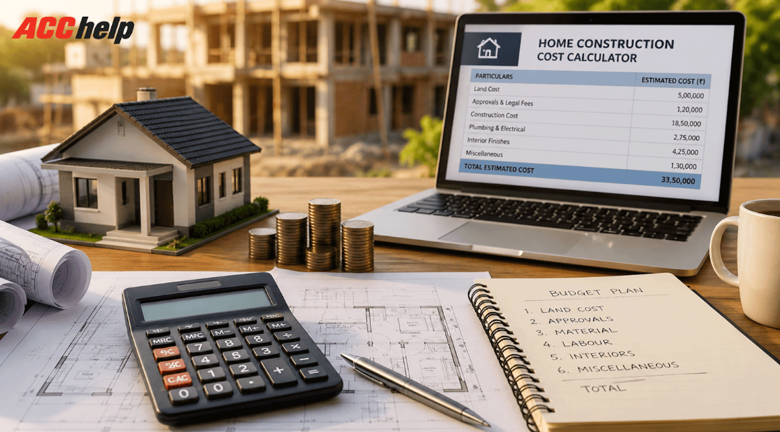
One of the first and most important steps in home construction planning is setting a realistic budget. Without financial clarity, projects often face interruptions or compromises later.
A well planned budget helps you align your design, materials, and timelines with your financial capacity. It also prepares you for unexpected expenses that may arise during construction.
Before work begins, you should account for:
- Construction materials
- Labour costs
- Approval and legal expenses
- Emergency or contingency funds
Having a clear financial framework helps you stay in control throughout the project.
Choosing the Right Plot
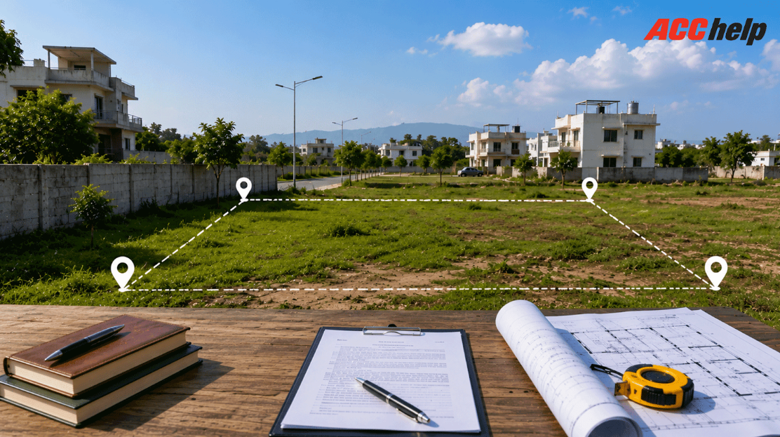
Your choice of land plays a major role in determining how your home can be built. The plot affects everything from structural design to long term comfort and accessibility.
Evaluating the land carefully will make sure that your construction progresses smoothly without unforeseen complications.
Important factors to consider include:
- Soil quality and stability
- Drainage conditions
- Accessibility and surroundings
- Future development potential
Selecting the right plot sets a strong foundation for the entire project.
Planning the Home Design
Your home design should reflect both your lifestyle needs and future requirements. Planning the layout before construction begins helps avoid structural modifications later.
A thoughtful design balances functionality with aesthetics. It ensures that your home remains comfortable and adaptable for years to come.
Key design aspects to finalise early include:
- Room placement and size
- Ventilation and lighting
- Storage spaces
- Possibility of future expansion
Clear design planning helps ensure efficient use of space.
Selecting the Right Construction Team
Construction is a collaborative process that involves multiple professionals. Choosing the right team before work starts ensures that the project progresses smoothly.
Experienced architects, engineers, and contractors bring valuable expertise that helps avoid costly mistakes.
When selecting your team, focus on:
- Professional experience
- Reliability
- Communication skills
- Previous project work
A strong team helps bring your vision to life efficiently.
Choosing Materials in Advance
Material selection directly affects your home’s strength and durability. Finalising your material choices early helps maintain consistency during construction.
This also prevents delays caused by last minute decisions or procurement issues.
Important material considerations include:
- Cement and concrete quality
- Brick or block type
- Steel reinforcement
- Finishing materials
Choosing the right materials ensures long term performance.
Deciding on Construction Techniques
Construction methods influence both efficiency and durability. Modern techniques can improve strength while reducing construction time.
Understanding which techniques will be used helps ensure better execution.
You should evaluate:
- Structural systems
- Construction technology
- Application methods
- Site specific techniques
This helps align the building process with project goals.
Planning Utilities and Services
Utilities such as plumbing, electrical systems, and drainage must be planned before construction begins. Proper integration prevents disruptions later.
Early planning ensures that installations are efficient and accessible.
Key utility decisions include:
- Water supply planning
- Electrical layout
- Drainage systems
- Ventilation systems
This helps avoid costly adjustments later.
Setting a Realistic Timeline
Construction timelines influence budgeting, labour planning, and resource management. Setting realistic expectations helps keep the project organised.
A well defined timeline allows for better coordination between different construction stages.
Before starting, consider:
- Project phases
- Seasonal conditions
- Material availability
- Labour scheduling
This supports smoother execution.
Preparing for Approvals
Legal approvals and permissions are essential before construction begins. Addressing these requirements early prevents delays.
Understanding local regulations ensures compliance.
You should check for:
- Building permits
- Zoning regulations
- Environmental guidelines
- Utility approvals
Proper documentation keeps the project on track.
Starting with Confidence
Planning your home construction before work begins is the key to achieving a smooth and successful building experience. By making informed decisions early, you reduce uncertainties and ensure that every stage of construction progresses efficiently.
With thoughtful preparation, your dream home can be built with clarity, confidence, and long term reliability.
FAQ
1. How does a home construction cost calculator work in India?
A home construction cost calculator estimates the total expense based on plot size, and the location you’re building in. It gives you a complete breakdown of materials, labour, and their cost. It helps homeowners plan budgets and avoid unexpected financial gaps before construction begins.
2. How do cement plants ensure quality control and consistency?
ACC Cement plants maintain strict manufacturing standards and testing processes. This helps ensure consistent strength, durability, and performance across batches, supporting reliable construction outcomes.
3. What is the average home construction cost per sq ft in India?
Home construction costs in India usually range between ₹1,500 to ₹3,000 per sq ft depending on location, materials, and design choices. Proper planning helps manage these costs effectively.
4. How to use a home planner to estimate construction materials accurately?
The ACC home planning guide helps you understand how a home is built, stage by stage. This helps you understand exactly how the home construction process works.
5. Why is early planning important before starting home construction?
Early planning helps avoid delays, cost overruns, and design changes later. It ensures smoother execution by aligning budget, materials, and timelines before work begins.