
Climate-Based Home Design: Why Every Region Needs a Different Approach

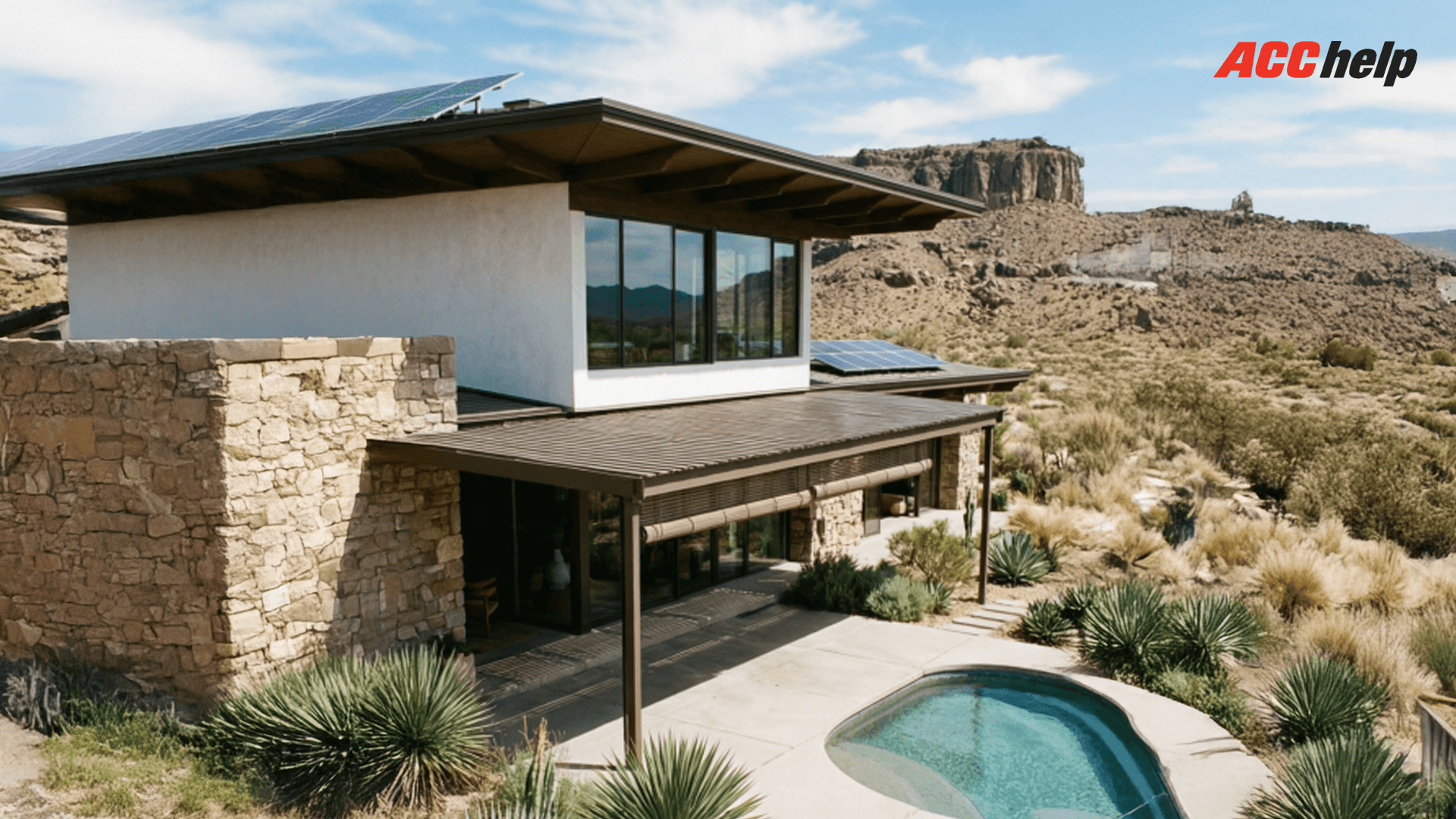
Table of Content
Did you know that not all homes are meant to be built the same way? A house that feels comfortable in a dry, hot region can feel suffocating in a coastal city or cold and inefficient in hilly areas. This is because climate plays a much bigger role in home design than most homeowners realise.
In India, where weather conditions change drastically from one region to another, climate-based home design becomes important. When homes are designed without considering local climate conditions, the result is often higher energy bills, uncomfortable interiors, and faster material deterioration. On the other hand, climate-responsive homes feel naturally comfortable, need less mechanical cooling or heating, and perform better over time.
What Is Climate-Based Home Design?
Climate-based home design focuses on planning, materials, and construction methods that respond to local weather conditions. It takes into account temperature ranges, humidity levels, rainfall patterns, wind direction, and sun exposure.
Instead of relying entirely on air conditioners, heaters, or exhaust systems, climate-responsive homes use design intelligence to regulate indoor conditions naturally. This approach reduces energy consumption, improves comfort, and increases the lifespan of the structure.
Why One Home Design Does Not Suit Every Region
India experiences multiple climate zones, hot and dry, warm and humid, cold, and composite. Treating all of them the same during construction often leads to problems.
For example:
- Homes in hot regions absorb excessive heat if materials are not chosen carefully
- Coastal homes face moisture, corrosion, and humidity-related issues
- Cold-region homes lose heat quickly if insulation is ignored
Climate-based design makes sure that the house works with the environment, not against it.
Designing Homes for Hot and Dry Regions
In hot and dry climates, the biggest challenge is heat control. Homes in such regions need to reduce heat gain during the day and release trapped heat at night.
Key design principles that help with this include:
- Thick walls with high thermal mass
- Limited direct sun exposure
- Controlled window placement for ventilation
Material choice becomes extremely important in these regions. Concrete mixes that reduce heat buildup help maintain indoor comfort. Products like ACC Coolcrete, which are designed to minimise heat of hydration, are especially useful in hot weather construction. They help reduce thermal cracking in large concrete sections while also contributing to better temperature regulation inside the home.
For wall construction, ACC Green Bricks can also be beneficial. The density and uniform structure of these concrete bricks help slow down heat transfer, keeping interiors cooler during peak summer hours.
Designing Homes for Warm and Humid Regions
In coastal and humid regions, the main concern is moisture management and airflow. High humidity can lead to damp walls, corrosion of reinforcement, and discomfort indoors.
Climate-responsive design in such areas focuses on:
- Maximising cross-ventilation
- Protecting walls from constant rain exposure
- Using materials that resist moisture and salt damage
Concrete solutions that improve durability and resist chloride exposure are more suitable in these regions. Similarly, lightweight blocks like ACC Green AAC Blocks help improve airflow and reduce heat retention, making homes feel more comfortable without excessive cooling.
Designing Homes for Cold and Hilly Regions
In colder regions, the goal shifts from cooling to heat retention. Homes must trap warmth and reduce heat loss.
Effective strategies include:
- Compact layouts
- Reduced external openings
- Materials with insulating properties
Lightweight concrete and filler materials that offer thermal insulation can help regulate indoor temperatures. Solutions like ACC AEROMaxX, used as a lightweight filler or insulation layer, can support temperature stability by reducing heat loss through slabs and roofs.
Why Material Selection Is Critical in Climate-Based Design
Design alone is not enough. Even the best layout can fail if materials are not climate-appropriate.
Climate-smart materials:
- Improve thermal comfort
- Reduce long-term maintenance
- Lower energy consumption
- Increase structural durability
Using region-appropriate concrete mixes and masonry solutions makes sure that homes perform better across seasons. That is why specialised products, designed for specific climate challenges, make a real difference without changing the overall design intent.
The Role of Orientation and Layout
Climate-based design also depends heavily on how a home is positioned.
Proper orientation helps:
- Capture morning sunlight
- Avoid harsh afternoon heat
- Channel natural wind flow
Layouts that allow air movement, shaded outdoor spaces, and open planning in the right directions reduce dependence on artificial systems. These principles work across climates when adapted thoughtfully.
Modern Homes and Climate Responsiveness
Many modern homes prioritise visual appeal but overlook environmental logic.
Homes designed with climate awareness:
- Feel more comfortable year-round
- Cost less to operate
- Age better structurally
- Require fewer corrective repairs
Challenges in Adopting Climate-Based Design
Despite its advantages, climate-responsive design is not always prioritised.
Common challenges include:
- Limited awareness among homeowners
- Space constraints in urban plots
- Perception of higher initial costs
However, most climate-based decisions reduce operational and maintenance costs over time, making them financially sensible in the long run.
Why Climate-Based Design Matters More Today
Rising temperatures, unpredictable rainfall, and increasing energy costs make climate-responsive homes more relevant than ever. Designing homes that naturally regulate temperature is now a practical necessity.
When climate, materials, and design work together, homes become healthier, more efficient, and more resilient.
Final Thoughts
Climate-based home building design is about understanding where you build and designing accordingly. Every region has unique needs, and acknowledging them leads to better living spaces.
By choosing layouts and construction materials suited to local climate conditions, homeowners can build homes that stay comfortable naturally, last longer, and perform better across seasons. A climate-responsive home is not just smarter design. It is smarter living.
FAQ
Q.1 Which home design plans are best suited for Indian homes?
Indian homes work best when designs respond to local climate. Courtyards, shaded balconies, proper ventilation, and orientation based on sunlight and wind help homes stay naturally comfortable across hot, humid, or cold regions.
Q.2 How to select the right cement supplier for your construction project?
Choose a supplier who is authorised, reliable, and consistent with deliveries. Proper storage practices, transparent pricing, and technical guidance matter more than discounts. A dependable supplier supports quality construction and avoids delays or material-related issues. You can find authorised suppliers of ACC Cement products through the dealer locator tool on our website.
Q.3 What services do leading concrete companies provide for home construction?
Leading concrete companies offer quality cement, ready mix concrete, customised mix designs, delivery planning, and technical support. These services help homeowners get consistent quality, faster construction, and better performance across different parts of the house.
Q.4 How to choose the best concrete companies for house construction?
Look for companies with strong manufacturing standards, climate-appropriate product options, reliable delivery systems, and on-ground technical support. The best companies help you match concrete solutions to design, climate, and structural requirements.
Q.5 Does climate really affect the lifespan of a home?
Yes. Climate influences heat stress, moisture exposure, and material deterioration. Homes designed without climate consideration often develop cracks, dampness, or discomfort sooner, while climate-responsive homes last longer and need less maintenance.