
Cost of Building a House in India in 2026: Everything You Need to Know

Table of Content
Building a home is one of the biggest financial decisions most families make, making it important to understand the house construction cost in India before starting the project. Over the years, construction expenses have continued to rise due to increasing material prices, labour charges, transportation costs, and the growing demand for quality housing.
Since every project has different requirements, there is no fixed construction cost that applies to all homes. However, understanding the major factors that influence these expenses can help homeowners plan their budget more effectively and avoid unexpected costs later.
What Is the Average Cost of Building a House in India in 2026?
In 2026, the cost of building a standard residential house in India typically ranges from ₹1,800 to ₹3,500 per square foot. However, the actual cost can vary significantly based on the city, the design of the house, local labour charges, and the quality of materials chosen. For example, building a 1,000 sq. ft. home may require an investment of around ₹18 lakh to ₹35 lakh, excluding land costs and government fees. The budget can rise further if homeowners opt for premium finishes, customised interiors, or smart home features. Since every project is different, understanding the house construction cost in India involves looking at the individual expenses that contribute to the overall construction budget rather than relying on a single estimate.
Key Factors That Influence Construction Costs
1. Location of the Project
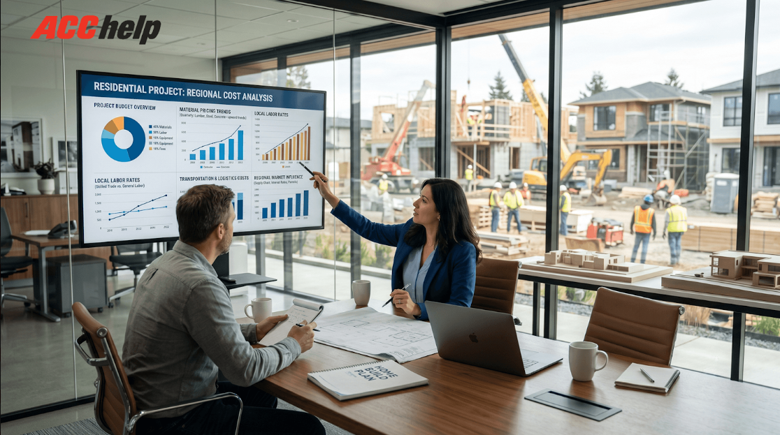
Construction costs can vary considerably from one city to another, as factors such as labour charges, transportation expenses, and local building regulations directly influence the overall budget. As a result, building a home in metro cities like Mumbai, Bengaluru, and Delhi is generally more expensive than in many Tier 2 and Tier 3 cities. The availability of construction materials and the level of local demand can further impact project costs, leading to noticeable differences in construction expenses across regions.
2. Cost of Building Materials
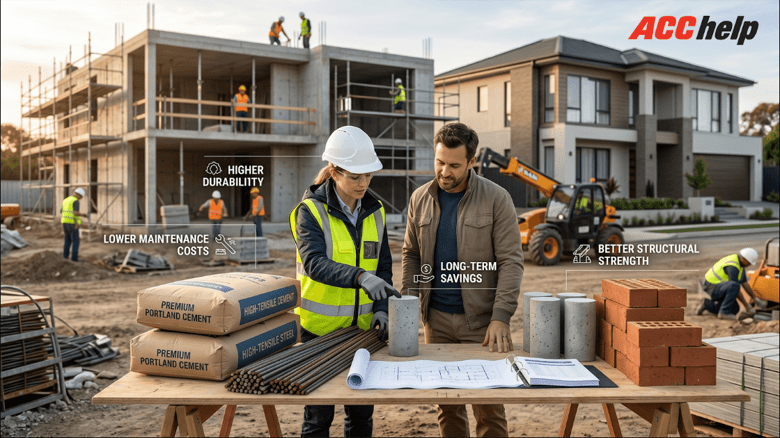
Building materials account for a major share of the total budget, often contributing around 50–60% of the overall construction cost. Prices of materials such as steel, sand, bricks, tiles, and cement can change throughout the year, which may increase or reduce the overall project cost. Using quality materials from trusted brands can also help reduce future repair and maintenance expenses. Many homeowners also choose premium construction materials for better finishes and durability, although this can add to the total construction budget.
3. Labour Charges
Labour expenses continue to be one of the biggest cost components in residential construction, as the overall budget includes the cost of skilled workers, electricians, plumbers, carpenters, and finishing contractors involved in different stages of the project. In most cases, labour charges account for around 25–35% of the total construction budget, although the actual cost depends on the project's location and complexity. For this reason, a simple house design generally costs less to build than homes with multiple elevations, customised interiors, or intricate architectural features that require additional time and specialised labour.
4. Design and Layout
The design of the house directly influences construction expenses, as certain layouts require more materials, labour, and time to build. For example, a compact rectangular layout is generally more cost-efficient than a design with multiple projections, large balconies, or complex structural elements. Similarly, features such as additional floors, basements, double-height spaces, and customised elements can further increase the overall budget. Careful planning during the initial design stage can therefore help homeowners manage construction expenses more effectively.
5. Finishing and Interior Choices
Flooring, kitchen fittings, bathroom fixtures, doors, windows, paints, and lighting can significantly influence the final construction budget. Many homeowners today prefer modern finishes and premium materials for their durability and appearance, but these choices can also increase the overall cost of the project. For this reason, it is important to strike a balance between functionality, aesthetics, and budget when selecting finishes for a home.
Additional Costs Often Overlooked
Many people calculate only the structural construction expenses and forget other important costs.
Additional expenses may include:
- Architectural and design fees
- Soil testing and site preparation
- Government approvals and permits
- Water and electricity connections
- Compound walls and landscaping
- Furniture and interior work
These costs can add a considerable amount to the overall project budget and should be included during financial planning.
How to Plan Your Budget Better
Proper planning can help homeowners avoid financial stress and manage construction expenses more effectively. A good starting point is to prepare a realistic budget and set aside a contingency fund of around 10–15% to cover unexpected costs that may arise during the project, especially since material prices can fluctuate and additional requirements often emerge as construction progresses. During this planning stage, homeowners can also use online tools such as ACC’s house construction cost calculators to estimate material requirements and overall expenses more accurately before beginning construction. Working with experienced professionals and choosing quality products from reliable brands can further improve cost efficiency while helping reduce future maintenance expenses. Ultimately, having a clear understanding of the house construction cost in India enables homeowners to make informed decisions and allocate their budget more effectively.
Smart Ways to Plan Your Home Construction Budget
The cost of building a home should be viewed as a long-term investment rather than simply an immediate expense. Factors such as proper planning, quality materials, and reliable construction practices play an important role in creating a durable and comfortable living space. As construction trends continue to evolve, homeowners are also placing greater emphasis on durability, energy efficiency, and long-term value instead of focusing only on the initial cost.
In this context, understanding the house construction cost in India and planning each stage carefully can help families build homes that meet both their current needs and future expectations. Choosing quality cement and reliable construction materials can further contribute to stronger, safer, and longer-lasting homes for years to come.
Frequently Asked Questions
Q1. What is the average house construction cost in India in 2026?
The average cost generally ranges from ₹1,800 to ₹3,500 per square foot, depending on location, labour charges, design complexity, and material quality.
Q2. Which factor affects construction cost the most?
Material costs and labour charges usually account for the largest share of the total construction budget.
Q3. Do premium finishes increase the overall budget?
Yes. Using premium construction materials for flooring, fittings, and interiors can significantly increase the total project cost.
Q4. How much contingency budget should homeowners keep?
It is advisable to keep an additional 10–15% of the project budget for unexpected expenses and price fluctuations.
Q5. Why is quality cement important in house construction?
High-quality cement contributes to better strength, durability, and long-term performance of the structure.
Q6. Does location affect house construction costs?
Yes. Construction costs differ across cities due to variations in labour rates, transportation expenses, and material availability.