
Factors to Consider When Buying Land for House Construction

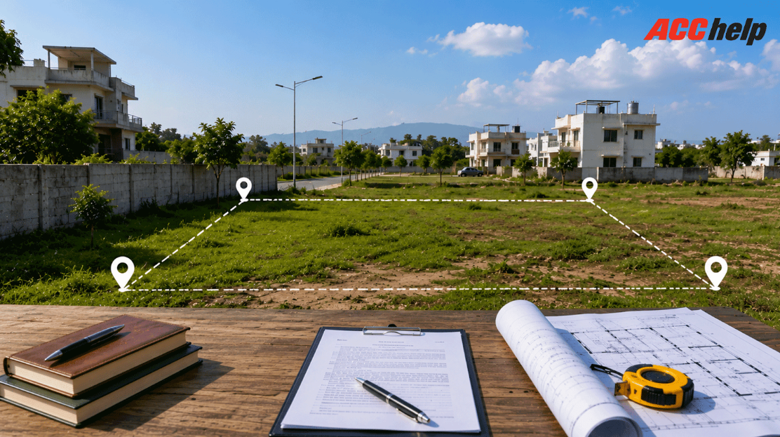
Table of Content
Building a home begins long before the foundation is laid. One of the most important decisions in this journey is choosing the right piece of land. While home designs and construction materials often receive significant attention, the suitability of the plot plays an equally important role in determining the success of the project. Factors such as location, soil quality, legal approvals, and future development in the area can influence construction costs, ease of building, and the long-term value of the property. To select the right plot, individuals planning to build a home should look beyond the purchase price and assess whether the land can support their present and future needs.
1. Location and Connectivity
The location of the plot plays an important role in both daily convenience and future property value. It is advisable to choose areas with easy access to schools, hospitals, markets, workplaces, and public transport. Good connectivity can also make the construction process smoother, as remote locations may involve higher transportation costs for building materials and labour, increasing the overall construction budget.
2. Legal Approvals and Documentation
Legal verification is an essential part of buying land for house construction. Before making a purchase, carefully review important documents such as the title deed, ownership records, zoning permissions, and approvals from local authorities. It is equally important to ensure that the plot is legally approved for residential use. Addressing these checks early can help avoid disputes, delays, and additional costs during construction. To select the right plot, prioritising legal due diligence can provide greater confidence and lay the foundation for a hassle-free home-building process.
3. Soil Quality and Site Conditions
Soil quality is an important factor to consider when buying land, as it directly affects the strength and stability of the building foundation. Different soil types have varying load-bearing capacities, and certain conditions may require additional site preparation or foundation work before construction begins. Conducting a basic soil assessment can help identify issues such as poor drainage, loose soil layers, or excessive moisture retention. Identifying these concerns early can support better construction planning, help avoid unexpected expenses, and contribute to the long-term durability of the structure.
4. Shape and Size of the Plot
The shape and size of the land should be carefully considered, as they can affect both the design and functionality of your future home. Square and rectangular plots are generally easier to plan and build on, as they allow for more efficient use of space. Additionally, selecting a plot that can accommodate future requirements, such as parking, open areas, landscaping, or home extensions, can provide greater flexibility in the long run.
5. Drainage and Water Availability
Drainage and water availability should be carefully assessed before finalising a plot, as they can have a direct impact on both construction and long-term living conditions. Poor drainage can result in waterlogging, creating challenges during construction and potentially affecting the durability of the structure over time. Additionally, evaluating the availability of water for future household use is equally important, as plots with inadequate infrastructure may require additional investment and site preparation, increasing the overall project cost.
6. Future Development Potential
A location that may appear less developed today can become highly desirable in the future due to upcoming infrastructure and urban development projects. Therefore, it is important to research planned developments in the area, such as highways, metro networks, commercial centres, and industrial hubs, as these can improve connectivity and significantly increase property value over time. Evaluating the future growth potential of the area can help homeowners make a more informed decision and is an important factor when looking to select the right plot.
7. Construction Feasibility and Budget
The suitability of the land can have a direct impact on overall construction costs, as factors such as excavation requirements, soil improvements, site levelling, and accessibility can significantly influence the project budget. Understanding these aspects at an early stage can help homeowners avoid unexpected expenses and plan their finances more effectively.
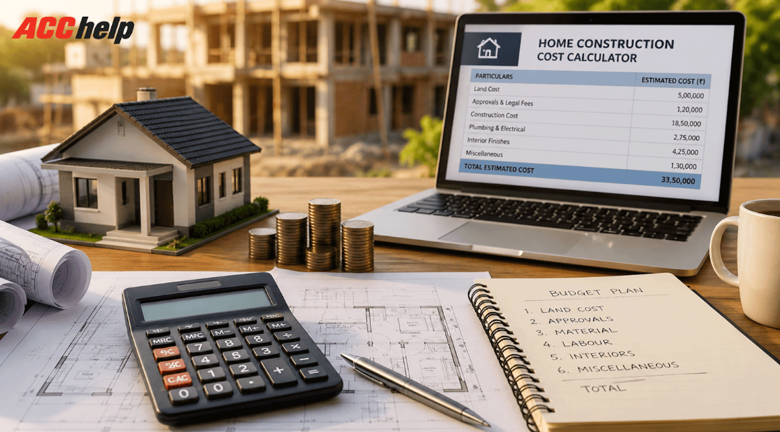
To gain a clearer picture of future construction costs, homeowners can also make use of online resources such as ACC's house construction calculator, which can provide an estimate of material requirements and construction expenses before planning begins. Having a better understanding of these costs before purchasing the land can support informed decision-making and help ensure a smoother home-building journey.
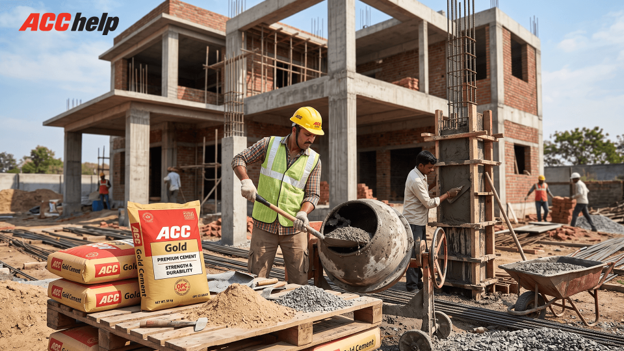
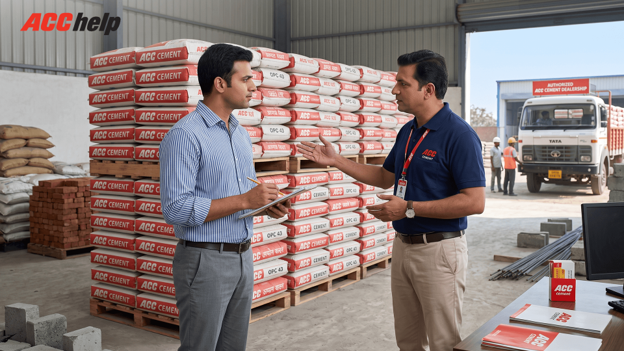
8. Availability of Construction Materials
Easy access to quality building materials can play an important role in ensuring a smoother construction process and minimising the risk of project delays. This is particularly important in developing locations, where the availability of materials and construction support may be limited. Working with a trusted cement company like ACC can provide homeowners with access to reliable products and technical guidance throughout the home-building journey. Therefore, while evaluating a plot, it is equally important to consider the availability and accessibility of construction materials, as this can directly influence project timelines, construction efficiency, and overall costs.
Planning Today for a Stronger Home Tomorrow
Choosing the right plot involves much more than finding land at an affordable price. It requires careful consideration of factors that can influence construction feasibility, long-term durability, and the overall value of the investment.
To select the right plot, it is important to evaluate aspects such as legal approvals, soil quality, drainage conditions, accessibility, and future development potential, as these factors can help minimize unexpected costs and support a smoother construction process.
A well-chosen plot lays the foundation for a successful home-building journey, and with careful planning, along with the right tools, such as the ACC construction calculator for an accurate construction cost estimate, homeowners can make informed decisions and move forward with greater confidence in building a safe and long-lasting home.
Frequently Asked Questions
Q1. Why is location important when buying land?
Location affects daily convenience, future property appreciation, and even construction costs. Well-connected areas with upcoming infrastructure projects often offer better long-term value.
Q2. Why should soil quality be checked before buying a plot?
Soil conditions influence foundation requirements and construction expenses. Poor soil may require additional site preparation and increase overall building costs.
Q3. How can I verify if a plot is legally approved?
Check ownership documents, title deeds, zoning permissions, and approvals from local authorities. Consulting a legal expert can also help ensure a secure purchase.
Q4. How can a construction calculator help before purchasing land?
A construction calculator can provide an estimate of future building costs and help homeowners understand the financial feasibility of the project.
Q5. Why should future development plans be considered?
Upcoming infrastructure projects such as roads, metro networks, and commercial developments can improve connectivity and significantly increase property value over time.
Q6. Why is choosing a reliable cement company important?
A trusted cement company can provide quality materials and technical support, helping homeowners build durable and long-lasting structures.