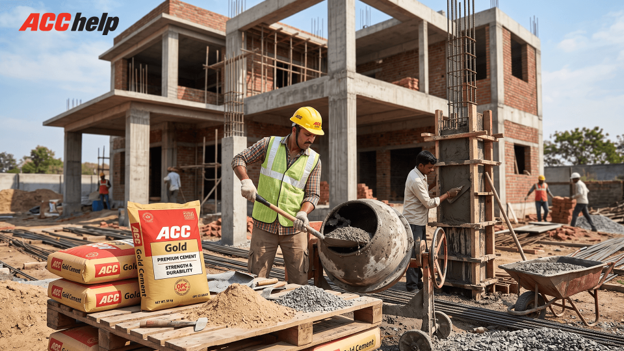

How to Find a Trusted Cement Distributor for Your Home Construction Project

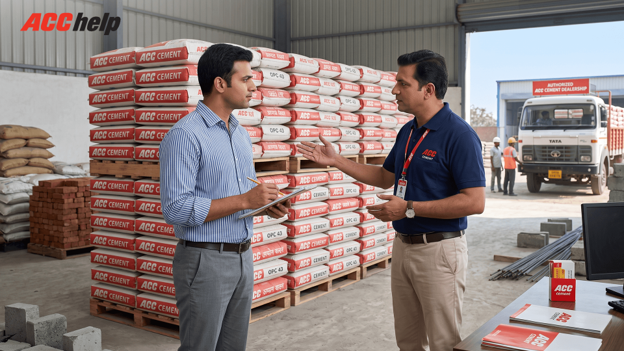
Table of Content
Building a house involves many decisions, and choosing where to buy cement is one of them. While selecting the right cement product is important, the source you purchase it from also matters. A reliable cement distributor can help ensure that the required product is available, stored properly, delivered on time and supplied with the right billing and product details.
For homeowners, the goal should not simply be to find the lowest price. The supplier should also be dependable, transparent and able to meet the requirements of the construction project.
Why Does Choosing the Right Cement Distributor Matter?
Cement is used across several stages of house construction, so delays or problems with supply can affect the work schedule. A dependable cement distributor can make it easier to arrange the required quantity when it is needed.
The buying source can also affect how the cement is handled before it reaches your site. Cement should be protected from moisture during storage. The Bureau of Indian Standards recommends keeping bagged cement away from dampness and moisture and storing bags off the floor.
A reliable supplier can also provide proper invoices, explain available products and discuss delivery arrangements. These details may seem small, but they can make material purchasing easier during a long construction project.
What Should You Check Before Choosing a Cement Distributor?
Before placing an order, check the following:
- Product authenticity: Confirm the brand and product being supplied. If you are buying ACC cement, for example, use the brand's official channels to verify the supplier where applicable. ACC provides a dealer locator for finding authorised dealers.
- Storage conditions: Ask where the cement is stored. The storage area should protect bags from moisture, rain and damp floors.
- Manufacturing date: Check the date and batch details printed on the bags. Cement that has been stored for longer periods may require additional attention before use. BIS guidance notes that cement held in local vendor storage for more than three months may need retesting under applicable standards.
- Availability: Make sure the supplier can provide the required type and quantity without unnecessary delays.
- Proper billing: Ask for a clear invoice showing the purchase details.
- Delivery arrangements: Confirm when the cement will reach your construction site and who is responsible for unloading.
- Pricing and payment terms: Compare prices, but also check what is included in the quoted price and understand the payment terms.
- Reputation and service: Consider recommendations from contractors, engineers or other homeowners who have dealt with the supplier.
- Supply capacity: A supplier who can consistently provide the required quantity can be more useful for an ongoing project than one who can only handle occasional purchases.
How to Find Trusted Cement Dealers Near You
One of the easiest starting points is an online search for cement dealers near me. However, search results should only help you create a shortlist. They should not automatically be treated as proof that a supplier is reliable.
If you are buying a specific brand, check its official website for a dealer or distributor locator. For example, ACC's official platform allows users to search for dealers by state, district and area.
You can also ask your contractor, structural engineer or architect for local recommendations. Their experience with construction suppliers can help you identify businesses that are familiar with supplying materials for residential projects.
It is also useful to compare two or three suppliers. Look at product availability, storage, billing, delivery and service alongside price.
How to Check the Quality of Cement Before Buying
Homeowners do not need to perform complicated technical tests when receiving cement. Instead, check the basic information and condition of the bags.
| What to Check | Why It Matters |
|---|---|
| Manufacturing date | Helps you understand how long the cement has been in circulation |
| Packaging | Helps identify damaged, torn or opened bags |
| Brand and product name | Confirms that the correct product has been supplied |
| Storage condition | Cement should be protected from moisture |
| Bags and batch details | Helps with product identification and traceability |
| Invoice | Provides a record of the purchase |
If bags appear damp, badly damaged or unusually hardened, raise the issue with the supplier before using them. Proper storage is important because cement can be affected by moisture.
What Is the Difference Between a Cement Distributor, Dealer and Agency?
The terms distributor, dealer and agency are often used when discussing cement suppliers, but their exact meaning can vary by brand and location.
Generally, a distributor may operate at a larger supply level, while a dealer or retail supplier may sell cement directly to customers. An agency may refer to a particular business arrangement with a brand.
These terms should not be treated as universal definitions. If you search for a cement agency near me, confirm the business relationship with the relevant brand instead of assuming that the word "agency" means the supplier is officially authorised.
For ACC cement, for example, the company states that its products are sold through its authorised dealer network and provides an official dealer locator.
Should You Choose the Cheapest Cement Supplier?
Not necessarily. Price is an important part of a construction budget, but it should not be the only deciding factor.
A slightly cheaper supplier may not be the better choice if the cement is poorly stored, delivery is unreliable or billing is unclear. On the other hand, paying more does not automatically guarantee better service either.
Compare suppliers based on the overall buying experience, including product authenticity, storage, availability, delivery, billing and customer service. The best choice is usually one that offers reasonable pricing while meeting these basic requirements consistently.
Questions to Ask a Cement Supplier Before Buying
Before placing an order, ask practical questions such as:
-
Is the cement from an authorised or trusted source?
Ask how the supplier sources the product and verify the information through the brand where possible. -
When was the cement manufactured?
Check the date and batch information printed on the bags. -
How has the cement been stored?
Ask whether the bags have been kept in a dry, protected storage area. -
Is the required quantity available?
Confirm whether the supplier can meet your current and upcoming requirements. -
What is the delivery timeline?
Agree on when the material will reach the construction site. -
Will I receive a proper bill or invoice?
Keep purchase records throughout the project. -
What happens if bags are damaged during delivery?
Understand the supplier's process for handling damaged bags before accepting the delivery.
How to Choose the Right Supplier for a Home Construction Project
The right cement distributor should be dependable, transparent and capable of supplying the required product and quantity when you need it. Instead of choosing a supplier based only on price, compare storage conditions, product details, availability, billing, delivery and service.
Taking a little time to evaluate suppliers before placing a large order can make cement purchasing more organised throughout the construction process.
Making the Right Choice for Your Construction Needs
Choosing a reliable cement distributor is an important part of planning a house construction project. Before buying, check product authenticity, manufacturing date, storage conditions, packaging, billing, availability and delivery arrangements. Comparing suppliers on these factors rather than price alone can help homeowners make a more informed purchasing decision and keep material procurement organised during construction.
Frequently Asked Questions
1. How can I find trusted cement dealers near me?
Check the cement brand’s official dealer locator and compare local suppliers based on availability, storage conditions, billing, delivery and customer feedback. For brands such as ACC, the official website can be a useful starting point for locating dealers.
2. What should I check before buying cement?
Check the brand and product name, manufacturing date, batch details, packaging condition and invoice. Also make sure the bags have been stored away from moisture and dampness.
3. How can I know whether a cement supplier is reliable?
Look for transparent billing, consistent availability, reasonable delivery commitments and clear answers about product sourcing and storage. Recommendations from experienced construction professionals can also be useful.
4. What should I ask a cement distributor before placing an order?
Ask about the product's manufacturing date, storage conditions, availability, price, delivery timeline, invoice and the process for handling damaged bags.
5. Should I choose a cement supplier only based on price?
No. Price should be compared alongside authenticity, storage, availability, delivery, billing and service. The cheapest option is not necessarily the most suitable supplier for a home construction project.