
What Is The Difference Between Cement and Concrete?

Table of Content
Have you ever used the terms "cement" and "concrete" interchangeably? Don't worry, you're not alone! This is one of the most common mix-ups and today we're going to clear things up once and for all.
As one of India's leading cement manufacturers, we at ACC Cement believe that understanding the basics can help you make better decisions for your construction projects, whether you're building a skyscraper or just fixing a garden path at home.
Cement: The Magical Binding Powder
Let's start with cement, our specialty at ACC Cement! Think of cement as the magic ingredient that holds everything together. It's a fine powder made primarily from limestone and clay that undergoes intense heating in a kiln, followed by grinding with a small amount of gypsum.
When you add water to cement, a chemical reaction called hydration occurs. This reaction transforms the powder into a paste that hardens over time. The fascinating thing about cement is that it can harden even underwater! However, it's important to understand that cement on its own isn't typically used as a construction material. This brings us to concrete.
Concrete: The Tough Final Product
Concrete is what you actually see in buildings, sidewalks, and bridges. It's the end product that results when you mix cement with water, sand, and crushed stone or gravel (also known as aggregates).
Think of it this way: if you’re baking a cake, cement would be like flour. It is absolutely essential, but you wouldn't eat flour alone! You need to add other ingredients to make the final product.
In a typical concrete mix, cement makes up only about 10-15% of the total volume. The aggregates make up about 60-75%, and water accounts for the rest. This combination creates a workable paste that hardens into an incredibly strong material.
What makes concrete so impressive is its versatility and strength. You can pour it into almost any shape, and once it hardens, it creates a rock-solid structure that can last for generations. It even comes in the form of pre-made concrete bricks.
Key Differences You Should Know
Still confused? Here's a simple breakdown to help you remember the difference:
- Cement is an ingredient. Concrete is the final product
- Cement comes as a powder. Concrete is mixed as a paste and it hardens into a solid
- Cement by itself has limited uses while concrete is one of the most widely used building materials
- Cement acts as a binding agent. Concrete provides structural strength
Why Does This Difference Matter?
You might be wondering why this distinction matters in your day-to-day life. Well, understanding the difference can help you:
- Communicate more effectively with construction professionals
- Purchase the right materials for your DIY cement work
- Better understand construction costs and processes
- Make more informed decisions about your building projects
For example, when you're planning a project, you need to first calculate how much concrete material you'll need and then you can figure out how much cement will be a part of that. Also when comparing prices, remember that concrete's cost includes the cement price plus aggregates and other materials.
Common Misconceptions Cleared Up
Let us clear up a few more common misconceptions we often hear:
- Those massive mixer trucks you see on the road are not "cement trucks", they're concrete mixers! They're transporting concrete, not just cement.
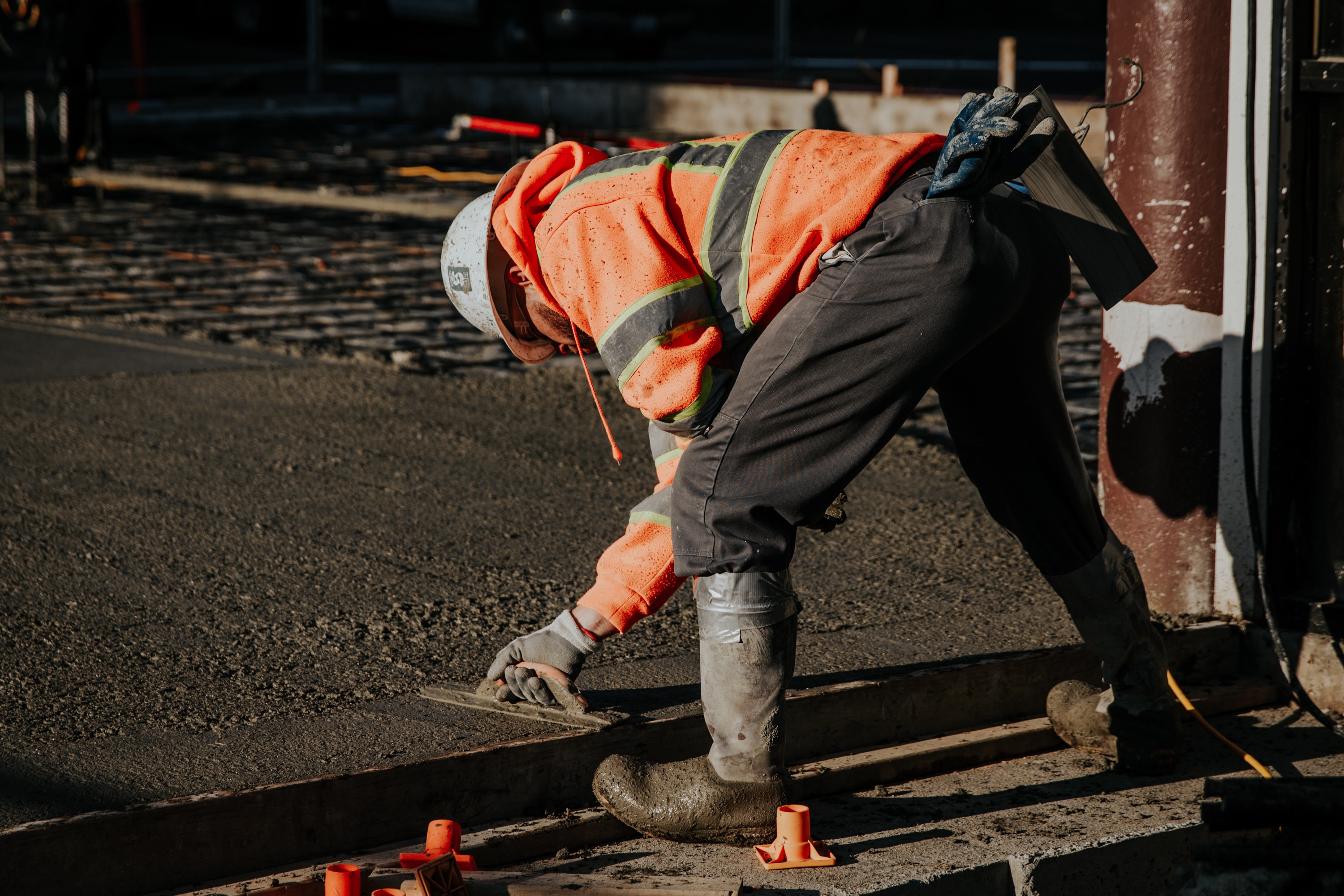
- When you see a sidewalk, it's made of concrete, not cement. If it were pure cement, it would crack and crumble much more easily.
At ACC Cement, we're proud of our high-quality cement products that form the foundation of strong, durable concrete structures across India. We understand that our cement is just one part of the construction process, but it's a crucial one that determines the quality and longevity of the final concrete material.
Choosing the Right Materials for Your Project
Whether you're planning a major construction project or a simple home improvement task, understanding the basics of building materials is essential. At ACC Cement, we recommend consulting with professionals to determine the right type of cement and concrete mix for your specific needs.
Remember that different projects require different concrete strengths and properties. The cement-to-aggregate ratio can be adjusted depending on whether you're building a high-rise building or installing a garden path.
Next time you walk on a sidewalk or admire a towering skyscraper, you'll know that while cement played a crucial role in its creation, what you're actually seeing and standing on is concrete, the final, incredibly versatile building material that helps shape our world.
We at ACC Cement are committed to helping you build better, stronger, and more sustainable structures through our quality cement products, the essential ingredient in the concrete that surrounds us every day.