
From Foundation to Finish: Home Design Done the Right Way

.png)
Table of Content
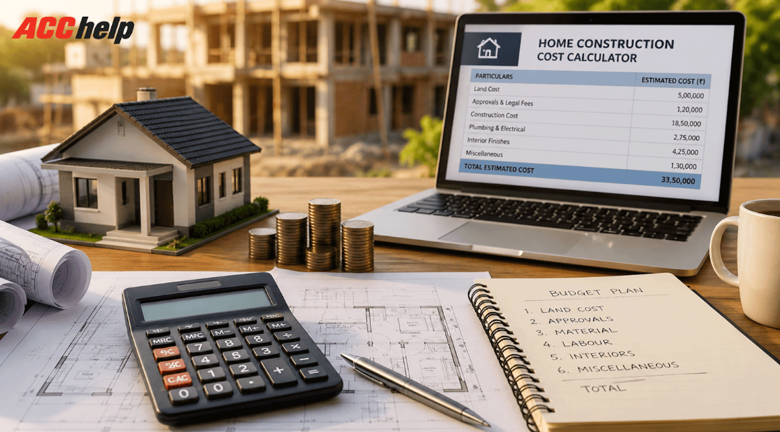
Building a home is one of the biggest milestones in life. But the process can often feel overwhelming with budget constraints, material choices, and design decisions. The truth is, a well-planned home doesn’t have to cost more, but it does need careful thought put into it from the very beginning. When every stage, from foundation to finishing gets the right attention, the end result is a safe, durable, and beautiful home that stands the test of time.
1. Start with Expert Guidance
The first step to smart construction is planning with an architect or civil engineer. Professionals help you design a home that makes good use of space and reduces waste in terms of both materials and money. They also guide you in choosing the right cement, steel, and other essentials within your budget. For example, comparing cement products and tracking prices early in the process can help you balance cost and quality.
A little investment in planning at this stage can prevent costly mistakes later.
2. Build a Strong Foundation
The foundation carries the load of the entire home, so it should never be compromised. Soil testing before construction ensures the ground can handle the structure. High-quality cement is non-negotiable here. Cutting corners at this stage often leads to expensive repairs later.
Whether you use a framed structure or a load-bearing wall design, always prioritise strength and durability. A reliable cement company like ACC Cement provides products with grades suitable for different foundation requirements so you get lasting strength.
3. Explore Precast and Prefabricated Materials
Prefabricated panels and precast concrete slabs are changing the way homes are built. These materials are manufactured off-site and assembled quickly on-site, reducing both labour and time. They also allow for better quality control since the components are created in controlled environments.
Choosing readymix concrete options like ACC Ultivacrete or ACC Flowcrete will give you precision and consistency, which is harder to achieve with manual mixing on-site. Faster timelines mean you save money on labour while getting a home that’s built to last.
4. Choose Sustainable Options
Sustainability in construction is no longer optional. It’s smart planning. Products like fly ash bricks or eco-friendly cement alternatives not only reduce costs but also improve insulation, making homes cooler and more efficient. ACC’s ECOMaxX concrete, for instance, reduces carbon emissions while providing the durability required for Indian weather conditions.
Using sustainable materials often means lower maintenance costs over time, making them a wise investment for families building on a budget.
5. Prioritise Roof, Column, and Foundation (RCF) Strength
Even if you’re trying to keep costs down, never compromise on the RCF. It is the skeleton of your home. Building these is one of the most important steps of home construction. These elements hold the structure together and determine how well it withstands time and weather. Using the right cement grade here is crucial, since durability and structural integrity depend on it.
While the price of quality cement might feel slightly higher than lower-grade options, the strength it provides will give you long-term savings by avoiding frequent repairs.
6. Add Value with Smart Material Choices
Small decisions about materials can make a big difference. For example:
- Bricks: Fly ash bricks are cheaper, eco-friendly, and provide better insulation than traditional red bricks.
- Tiles & Flooring: Opting for locally made tiles or cement-based alternatives can cut costs without compromising aesthetics.
- Plaster & Waterproofing: Using waterproof plaster and waterproof cement protects against seepage so your walls remain strong and attractive for years.
These choices save money upfront and add long-term value by reducing maintenance headaches.
7. Design for Function and Flow
Good design doesn’t just mean good looks. It means creating a home that works for your lifestyle. Simple layouts reduce costs and make spaces easier to maintain. Open floor plans, shared walls, and multipurpose rooms are smart design features that balance beauty with practicality.
Balconies, windows, and ventilation should be designed to bring in light and air, which reduces electricity costs. Even finishing touches like cement planters or textured concrete finishes can add charm affordably.
8. Stick to Codes and Quality Checks
While saving money is important, safety should never be overlooked. Always follow local building codes and regulations. Regular site inspections during construction help catch mistakes early, whether it’s incorrect curing, uneven mixes, or weak plastering.
Checking materials at each stage, especially cement quality. This is important to keep your home both safe and long-lasting.
Final Thoughts
Constructing a home doesn’t have to drain your finances, nor should it compromise on safety or comfort. By focusing on smart planning, sustainable materials, and high-quality ACC cement, families can achieve their dream homes without overspending.
From the first foundation trench to the final plaster coat, every stage is a chance to build wisely. When done right, you don’t just save on costs, you gain a home that will stay strong and beautiful for generations.