
When Should You Use 53 Grade Cement in Home Building?

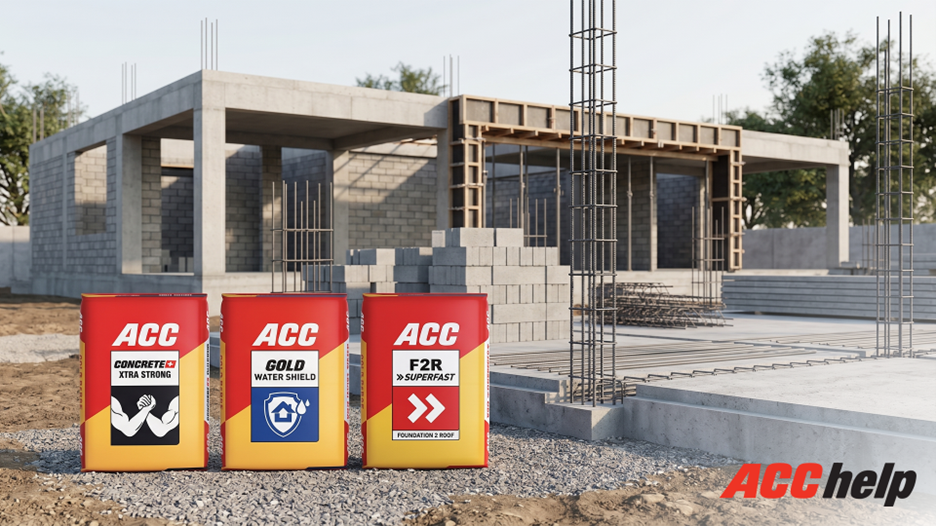
Table of Content
When you start building your home, one of the most important choices you make is selecting the right cement. It might seem like all cement works the same, but that’s not really the case.
Cement is categorised by different cement grades and cement of different grades is designed for different purposes. And using the right one at the right stage can make a big difference in strength, durability, and even construction speed.
One of the highest grades of cement you’ll find in the market is the 53 grade cement. Let’s see when you should actually use 53 grade cement in your home building process and when you don’t really need it.
What Does 53 Grade Cement Mean?
Before you decide where to use it, it helps to understand what it actually means. Cement grades are based on compressive strength. In simple terms, this is how much load the cement can handle after it has fully set.
53 grade cement means:
- It can achieve 53 MPa strength after 28 days
- It gains strength faster in the early days
- It is designed for high-performance structural work
Because of this, it is one of the strongest and fastest-setting options available in home construction.
Why 53 Grade Cement Is Different
Compared to lower grades like 33 or 43, 53 grade cement stands out because of:
- High early strength
- Faster setting time
- Better bonding with steel reinforcement
- Higher durability under load and stress
This is why it is often preferred for critical structural parts of a home.
When You Should Use 53 Grade Cement
Now let’s get to the important part. Where should you actually use it in your home?
-
Structural Components
Your home’s strength depends heavily on elements like:
- Foundation
- Columns
- Beams
- Slabs
These parts carry the entire load of your house. Using 53 grade cement here will give you better strength and long-term stability. If you’re not careful with these areas, problems can show up years later. So this is one place where you should not compromise.
-
RCC Work
If your home is using a reinforced cement concrete (RCC) structure, 53 grade cement becomes even more important.
It works well for:
- Roof slabs
- Lintels
- Staircases
Because it bonds strongly with steel and gains strength quickly, it helps speed up construction without affecting quality.
-
Faster Construction Timelines
Time is money in construction and when you want your project to move faster, 53 grade cement is your answer.
Since 53 grade cement gains strength quickly, it allows:
- Early removal of formwork
- Faster progress to the next stage
- Reduced waiting time on site
This is especially useful if you are managing tight deadlines.
-
Water-Prone Areas
Certain parts of your home are always exposed to moisture, like:
- Bathrooms
- Basements
- External walls
Using higher-grade cement in these areas improves durability and helps reduce the chances of cracks and seepage over time.
-
Heavy Load Areas
If your home includes areas that will handle more stress, like:
- Parking spaces
- Driveways
- Storage areas
53 grade cement provides the strength needed to handle repeated load and wear without early damage.
When You Don’t Need 53 Grade Cement
Here’s something many people get wrong. Stronger is not always better for every application. Using 53 grade cement everywhere can actually be unnecessary and sometimes inefficient.
You can avoid using it in:
- Plastering work
- Brick masonry
- Tiling
- Decorative finishes
These areas do not need very high strength. In fact, slower-setting cement can sometimes work better here and be more cost-effective.
How It Impacts Your Construction Cost
53 grade cement is usually slightly more expensive than lower grades. But the value comes from where you use it.
If you use it wisely:
- You improve structural strength
- You reduce long-term repair costs
- You speed up construction
But if you use it everywhere:
- You may increase costs unnecessarily
So the key is balance, not just choosing the highest grade blindly.
How We Approach It at ACC Cement
We design our ACC Concrete Plus 53 grade cement to deliver consistent strength, faster setting, and reliable performance across critical applications. When you’re working on structural and RCC elements, our 53 grade cement helps you build with confidence, knowing that your home has a strong foundation from the start.
At the same time, we always recommend using the right cement for the right job, because smart construction is not about using the strongest option everywhere, but the most suitable one.
Tips to Get the Best Results
Even with good cement, how you use it matters a lot.
Keep these things in mind:
- Maintain the right water-cement ratio
- Use clean sand and aggregates
- Let it properly cure for at least 7–14 days
- Store cement in a dry place
These small steps can make a big difference in final strength and durability.
Final Thoughts
53 grade cement is a powerful material, but it works best when used where it actually matters. Use it for structural elements, RCC work, in load-bearing areas, and when you need to construct faster. Avoid overusing it in non-structural work where it does not add real value.
When you match the right cement to the right application, you not only build a stronger home, but also make smarter decisions with your budget and long-term maintenance. That’s what good construction planning is really about.
Frequently Asked Questions
Q.1 What is RCC cement and why is it important in reinforced concrete structures?
RCC cement refers to cement used in reinforced cement concrete where steel and concrete work together. It is important because it provides strength, durability, and proper bonding with steel for load-bearing structures.
Q.2 What is the role of RCC cement in reinforced concrete structures?
RCC cement acts as the binding material that holds aggregates and steel reinforcement together. It provides structural stability, helps distribute loads, and supports long-term durability in elements like slabs, beams, and columns.
Q.3 Which type of cement is best for RCC construction work?
High-strength cement like 53 grade cement is commonly preferred for RCC work. It offers faster strength gain, better bonding with steel, and improved durability, making it suitable for critical structural applications.
Q.4 Can RCC cement be used for slabs, beams, and columns?
Yes, RCC cement is specifically used for structural elements like slabs, beams, columns, and foundations. These parts carry load, so using the right cement ensures strength, safety, and long-term performance.
Q.5 How does RCC cement improve the strength of concrete structures?
RCC cement improves strength by creating a strong bond with steel reinforcement and providing high compressive strength. This combination helps structures handle load, stress, and environmental conditions more effectively over time.