
Why Cement Prices Change Even When Raw Materials Stay the Same

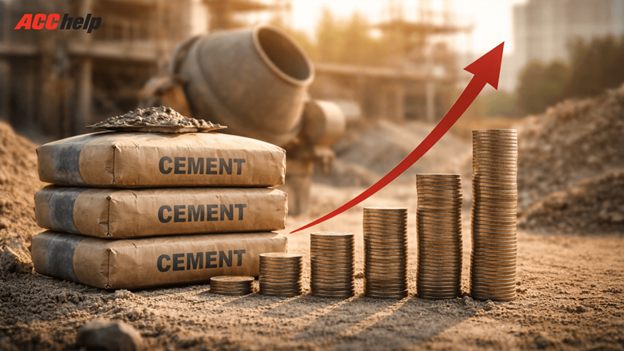
Table of Content
If you’ve ever tracked cement prices during your home construction, you’ve probably noticed something confusing. Even when you hear that raw materials haven’t changed much, the cement price per bag still fluctuates
Naturally, this makes you wonder, what’s really driving these changes?
The truth is, cement pricing is influenced by much more than just raw materials. To understand this better, you first need to know what goes into making cement and then look at the bigger picture behind pricing.
What Goes Into Making Cement?
Cement is not a single material. It is a carefully engineered mix of multiple raw materials, each playing a specific role in giving cement its strength and performance.
The main materials used are:
- Limestone – This is the primary ingredient and forms the base of cement strength
- Clay – Provides silica and alumina needed for binding
- Gypsum – Controls setting time so cement doesn’t harden too quickly
- Fly ash – Improves durability and long-term performance
- Clinker – The intermediate product formed during high-temperature processing
These materials are mined, processed, heated at extremely high temperatures, and then ground into the fine powder you see as cement.
Now the interesting part is that even if the cost of these materials stays stable, the final cement price can still change. That’s because raw materials are just one part of the story.
So Why Do Cement Prices Still Change?
Let’s break this down in a way that actually makes sense for your construction planning.
1. Energy and Fuel Costs Play a Huge Role
Cement manufacturing is an energy-intensive process. Kilns run at very high temperatures, and grinding units require constant electricity. In fact, a large part of cement production cost comes from fuel and power.
So even if limestone or clay prices don’t change, a rise in:
- Coal or petcoke prices
- Electricity tariffs
- Global fuel prices
can directly increase cement prices.
This is one of the biggest reasons why prices fluctuate even when raw materials remain the same.
2. Transportation Changes Everything
Cement is heavy and bulky. Moving it from the plant to your site involves significant logistics.
Transportation costs depend on:
- Fuel prices
- Distance from the plant
- Road and rail connectivity
- Last-mile delivery
That’s why the same cement can cost differently in two nearby cities and even a small increase in fuel prices can impact the final cost you pay.
3. Demand and Construction Season
Cement demand is not constant throughout the year. During peak construction periods like post-monsoon months, demand rises sharply. More homes, projects, and infrastructure work all happen at the same time. When demand increases and supply struggles to keep up, prices naturally go up.
On the other hand, during monsoon or slow seasons, demand drops and prices may stabilise or even fall. Think of it like seasonal fruits. When everyone wants it at the same time, the price rises.
4. Government Policies and Regulations
Government rules have a direct impact on cement pricing.
Changes in:
- Mining regulations
- Environmental norms
- GST or taxes
- Compliance requirements
can increase production costs.
When a cement company spends more to meet regulations or source materials, those costs eventually reflect in the market price.
5. Brand and Product Type
Not all cement is priced the same, even if the grade looks similar.
Different types like:
- OPC 53 Grade
- PPC
- Specialty white cement
come with different pricing because of performance and application.
Also, trusted brands often maintain stricter quality control, better packaging, and consistent performance. This reliability may come at a slightly higher price, but it often delivers better long-term value. At ACC Cement, we focus on maintaining consistent quality and performance across our products, so you don’t have to deal with unexpected material variations on site.
6. Market Competition in Your Area
Local competition also affects pricing more than most people realise.
- If there are multiple suppliers in your area, prices tend to stay competitive
- If supply is limited, prices may remain higher
Dealer margins, discounts, and bulk purchase benefits all depend on local market dynamics.
7. Packaging and Handling Costs
Cement is sensitive to moisture. Even slight exposure can reduce its strength.
To maintain quality, we invest in:
- Strong packaging
- Proper storage
- Careful transportation
These costs, though small individually, add up and influence the final price.
What This Means for You as a Home Builder
Now that you understand the factors, one thing must be clear. Cement price is not controlled by just one element. It is influenced by a combination of energy, logistics, demand, policy, and market conditions.
That’s why prices can change even when raw materials remain stable.
How You Can Plan Better
Instead of trying to predict prices, it’s better to plan smartly.
Here’s what you can do:
- Buy in phases instead of all at once
- Avoid peak construction seasons if possible
- Compare suppliers and locations
- Focus on quality, not just price
- Choose the right cement type for your application
At ACC Cement, we always encourage homeowners to look at long-term value rather than short-term savings. The right cement choice can reduce repairs, improve durability, and give you peace of mind.
Final Thoughts
Cement prices may seem unpredictable, but they are actually driven by multiple real-world factors working together. Even if raw materials stay the same, changes in fuel, transport, demand, and policies can shift prices quickly.
When you understand this, you stop seeing price changes as random and start planning around them. Because in home construction, instead of trying to cut costs, your focus should be on building a home that stands strong for years to come.
FAQ
Q.1 What is the latest cement price in India today by brand and city?
Cement prices usually range between ₹320–₹450 per bag depending on the brand, city, and demand. Metro cities may have slightly higher prices due to transport and logistics costs. It’s always best to check with local dealers for current rates.
Q.2 What is the price difference between OPC and PPC cement?
OPC cement is usually slightly more expensive than PPC because of its higher clinker content and early strength properties. PPC, on the other hand, is more cost-effective and offers better long-term durability, making it popular for residential construction.
Q.3 What factors affect cement price in India?
Cement prices depend on multiple factors like fuel costs, transportation, demand, government policies, and market competition. Even if raw materials stay the same, changes in logistics or energy costs can still impact the final price significantly.
Q.4 How does cement price vary across different Indian states?
Cement prices vary due to distance from manufacturing plants, local demand, fuel costs, and dealer networks. States closer to production units usually have lower prices, while remote or high-demand regions may see slightly higher rates.
Q.5 Why do cement prices fluctuate even when raw materials don’t change?
Because raw materials are just one part of the cost. Factors like fuel prices, transport, demand cycles, and regulations also impact pricing. So even if inputs stay stable, external factors can still change market prices.