
Concrete Cement Explained: Which Type Is Best for Different Construction Needs?

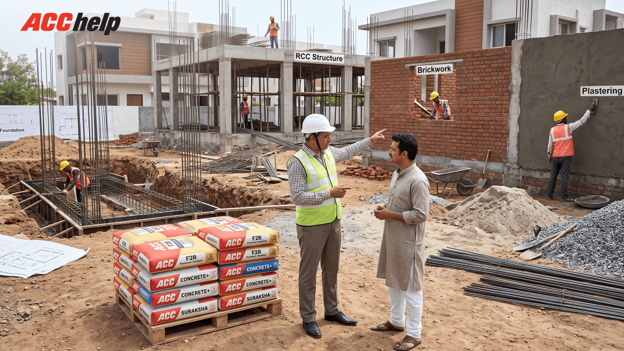
Table of Content
Choosing cement for concrete is an important decision when planning a house or structure. It works with sand, coarse aggregate and water to form concrete. Understanding concrete cement helps homeowners ask better questions and choose a product suited to the work instead of assuming that one type fits every project.
What Is Concrete Cement?
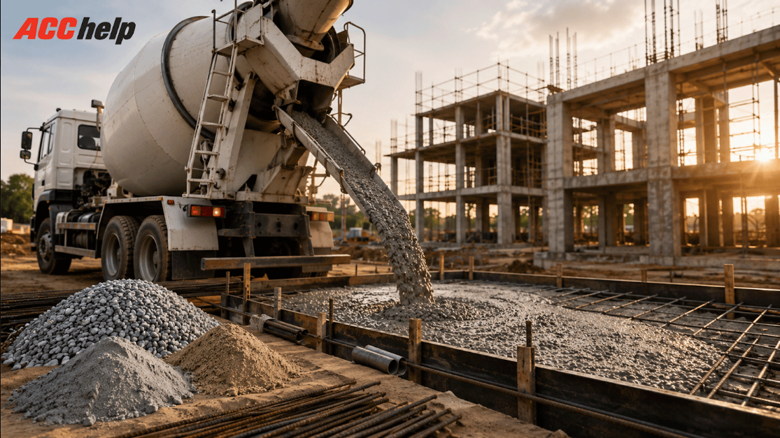
Cement is the binding material used to make concrete. When cement is mixed with water, it forms a paste that binds sand and coarse aggregate together. As it hardens, it forms the solid material used in construction.
The term concrete cement is commonly used for cement used in concrete-making work. However, final concrete performance depends on more than cement. Cement type, mix proportions, aggregate quality, water content, placement and curing all play a role.
Why Does the Right Cement Matter for Concrete?
Cement selection can affect aspects of concrete, including strength development, durability, setting behaviour and workability. The right choice depends on what the concrete needs to do and the conditions in which it will be used.
A project needing quick early strength may have different requirements from one where controlled heat generation is important. Structure type, weather and exposure conditions should also be considered.
The cement should match the mix and project requirements.
What Types of Cement Can Be Used for Concrete?
OPC and PPC are two common cement types used for concrete construction. BIS identifies OPC under IS 269 and PPC under IS 1489, with both standards covering specified physical and chemical requirements.
| Factor | OPC | PPC |
|---|---|---|
| Basic nature | Ordinary Portland Cement | Portland Pozzolana Cement |
| Strength development | Generally faster early strength development | Generally slower early strength development |
| Heat generation | Generally higher than PPC | Generally lower than OPC |
| Common uses | General construction and concrete work | Foundations, mass concrete and general applications |
| Suitable needs | Work requiring earlier strength development, where specified | Projects where lower heat development is important |
This comparison is not a universal rule. Check the applicable standard and project conditions.
Which Cement Is Best for High-Strength Concrete?
There is no single cement that is automatically best for every high-strength concrete application. concrete cement selection should be based on required strength, structural design, mix design and project conditions.
High-strength concrete depends on controlled proportions of cementitious materials, aggregates and water, along with proper mixing, placing, compaction and curing. Material quality and workmanship also affect the result. For structural elements, a structural engineer or qualified professional should specify the requirements.
Ask which cement complies with the project specification and supports the required performance.
Which Cement Is Suitable for Different Construction Needs?
Different parts of a house can have different requirements:
- Foundations: Consider soil, exposure, structural requirements and the specified concrete mix.
- Columns and beams: These structural elements require the specified concrete grade and mix. Follow the engineer's recommendation.
- Roof slabs: Strength, durability, exposure and proper curing matter. Cement should suit the specified mix.
- Flooring: Consider surface requirements, traffic and the concrete mix before selection.
- General house construction: Use a cement type and grade appropriate to the project specifications and local conditions.
- Other concrete work: Tanks, pavements and retaining structures may have additional exposure or performance requirements.
Project specifications should come first.
OPC vs PPC Cement: Which Is Better for House Construction?
For house construction, there is no universal winner between OPC and PPC. OPC and PPC cement can both be used for concrete applications, but their characteristics differ.
OPC is generally associated with quicker early strength development, while PPC generally develops strength more gradually and produces less heat. BIS lists PPC for applications including foundations and mass concrete, while noting situations where high early strength is specifically required.
The choice should consider required strength, construction schedule, durability needs, weather and exposure conditions, and the engineer's or contractor's recommendation. Availability and storage also matter.
What Should You Check Before Choosing Cement for Concrete?
Before buying cement, homeowners should check:
- Intended use: Know whether it is for a slab, foundation, column, flooring or another application.
- Required strength: Follow the specified concrete grade and structural requirements.
- Product quality: Choose cement that meets the relevant standard. If considering ACC, check the product's stated use against your project needs.
- Manufacturing date: Check the bag for production and required markings.
- Storage condition: Protect cement from moisture and store it properly.
- Project requirements: Consider exposure, weather and site conditions.
- Professional recommendation: Follow the engineer's or qualified contractor's specification for structural work.
- Availability: Ensure the required type and grade can be sourced consistently.
How to Get Better Results from Concrete
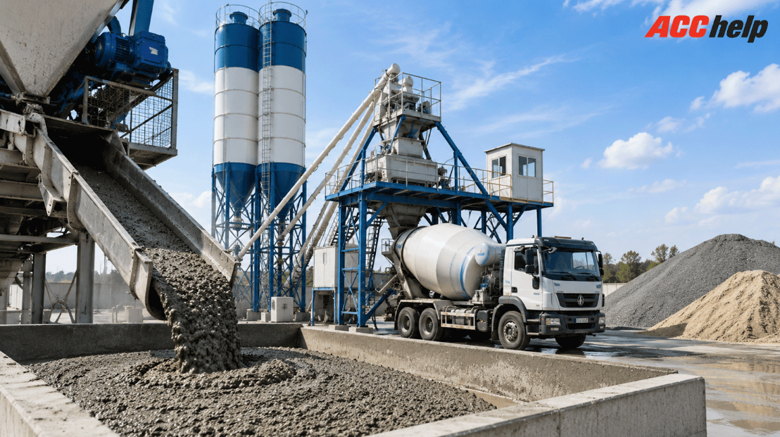
Good concrete depends on several steps working together. Use clean materials and follow the specified mix proportions. Add water carefully rather than changing the mix casually on site. Mix thoroughly, place concrete properly, compact it adequately and protect it during curing.
Curing matters because concrete needs moisture and suitable conditions to develop its intended properties. Poor handling at any stage can reduce performance even when the selected cement is appropriate.
Choosing the Right Cement for Your Construction Needs
Choosing concrete cement should start with the construction requirement, not the assumption that one cement type is best for everything. OPC and PPC have different characteristics, and the right choice depends on required performance, structural design, exposure, mix design and site conditions. For house construction, following the project specification and taking guidance from an engineer or qualified contractor can help ensure the cement selected suits the work. Good materials, correct mixing, placement and curing are equally important for durable concrete.
Frequently Asked Questions
1. Which cement is best for making high-strength concrete?
No single type of concrete cement is best for every high-strength application. The choice depends on the required concrete grade, mix design and project conditions. Homeowners can also explore ACC cement options and select a product that aligns with their specific construction requirements and professional recommendations.
2. What is Concrete Cement used for?
It is used as the binding material in concrete, where it combines with water, sand and coarse aggregate to form a hardened construction material.
3. Is OPC or PPC better for house construction?
Both can be suitable, depending on the construction requirement. OPC may be preferred where early strength development is important, while PPC can suit projects where gradual strength development and lower heat generation are beneficial.
4. What factors should I consider when choosing cement for concrete?
Consider the intended application, required concrete strength, exposure conditions, applicable standards, product quality, storage and the recommendations provided by the project engineer or qualified contractor.
5. Does the type of cement affect concrete strength?
Yes, cement type can influence strength development. However, final concrete strength also depends on mix proportions, aggregate quality, water content, placement, compaction and curing.