
How to Stop Wall Seepage Before It Damages Your Home

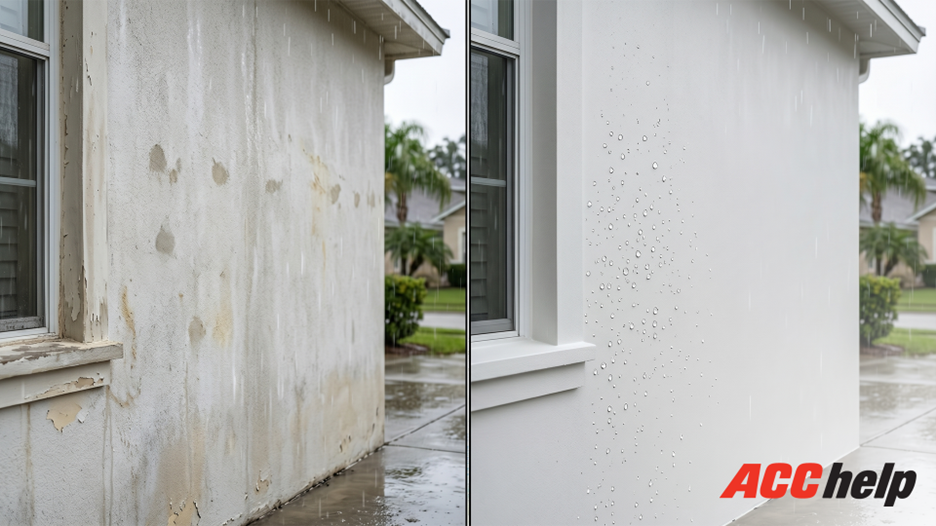
Table of Content
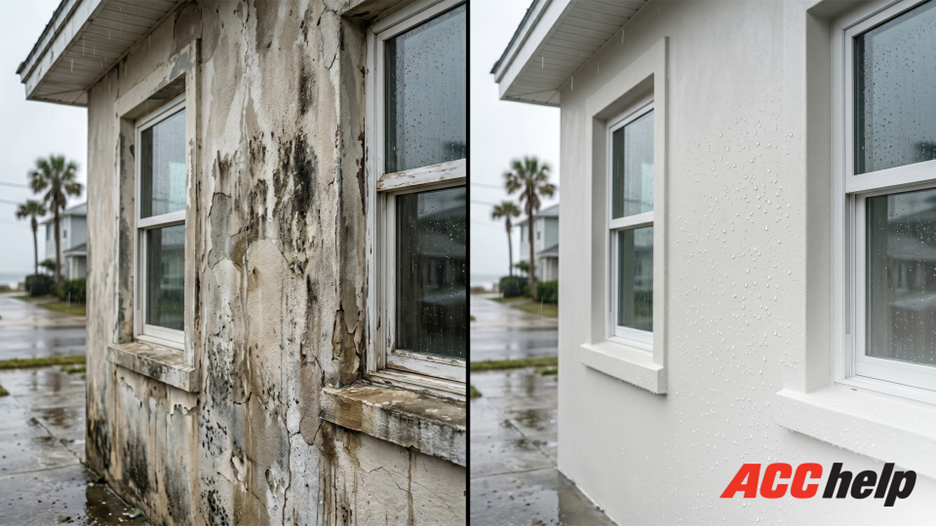
Wall seepage is the silent predator of Indian homes. It starts as a small, harmless-looking damp patch in a corner, but within months, it transforms into peeling paint, crumbling plaster, and a persistent musty smell that affects your family’s respiratory health. By the time you see "efflorescence", that white, powdery salt deposit on the surface, the moisture has already begun corroding the internal steel structure of your house.
Finding a permanent wall leakage solution isn't about applying a fresh coat of paint; it’s about understanding the "why" and "how" of water ingress and using the right materials, like ACC Gold Cement, to build a barrier that lasts.
The Anatomy of Seepage: Where is the Water Coming From?
Before you can fix the problem, you must identify the source. Most wall leakage in urban apartments and independent houses falls into three categories:
- Capillary Action (Rising Damp): Ground moisture travels upward through the microscopic pores of your foundation and bricks.
- External Ingress (Lateral Damp): Rainwater hits your exterior walls and, due to the porous nature of standard cement, soaks through to the interior.
- Hygroscopic Absorption: In humid coastal cities, the wall itself "pulls" moisture from the air if the plaster is not dense enough.
4 Essential Steps to Stop Seepage Permanently
If you are currently building or renovating, the following workflow is your best defense against future damage.
-
Fix the External Cracks First
Seepage often begins at "stress points", the joints where window frames meet the wall or where the roof slab meets the parapet. A standard cement-sand mortar is often too brittle to handle the expansion and contraction caused by heat. Using a flexible sealant or a high-performance mortar mix is the first step in any wall leakage solution.
-
Upgrade Your Plaster Quality
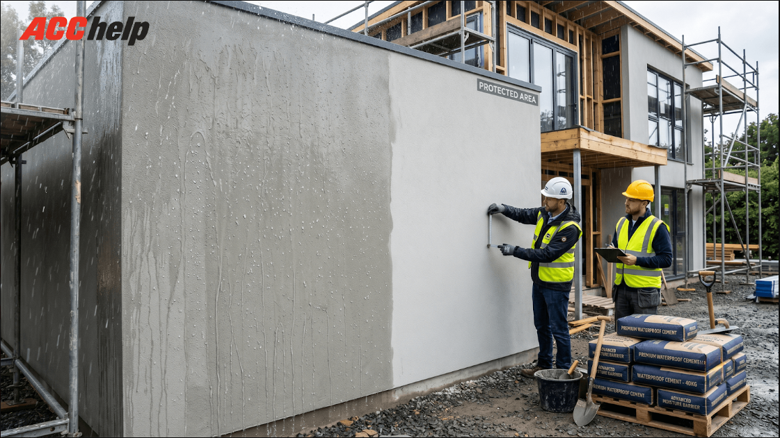
Standard plaster acts like a sponge. To create a "water-shield," you need a plastering material that is dense and hydrophobic. ACC Gold Cement is specifically engineered for this purpose. It contains water-repellent additives that break the capillary chain, meaning water beads off the surface instead of being sucked in.
-
Treat the "Splash Zone"
The bottom two feet of your external walls take the most damage from rainwater splashing off the ground. This area should be treated with an extra layer of waterproofing or tiled with non-porous materials. Internally, ensuring a "Damp Proof Course" (DPC) is laid during construction is the only way to stop rising damp.
-
Ensure Proper Curing
One of the biggest reasons for wall leakage is "shrinkage cracks" that occur because the plaster dried too fast. When using a premium product like ACC Gold Cement, consistent curing (keeping the wall wet) for 7–10 days allows the chemical crystals to grow and seal every micro-pore, creating a monolithic barrier against moisture.
Why ACC Gold Cement is a Game-Changer
When homeowners search for a wall leakage solution, they often look at external coatings. However, the most effective waterproofing is integral, it’s built into the very fabric of the wall.
| Feature | Standard Cement | ACC Gold Water Shield |
|---|---|---|
| Water Permeability | High | Up to 100% Repellent |
| Pore Structure | Open & Interconnected | Blocked by hydrophobic additives |
| Efflorescence Risk | High (Salt patches) | Negligible |
| Protection for Steel | Minimal | High (Prevents rust/spalling) |
By choosing ACC Gold Cement, you are moving from a "reactive" stance (fixing leaks) to a "proactive" one (preventing them). The specialized water-shield technology ensures that even if the outer paint fails, the cement itself remains a waterproof layer.
The Hidden Cost of Ignoring Seepage
Many homeowners delay fixing wall leakage because of the perceived cost. However, the financial "leak" is often worse than the water leak.
- Structural Risks: Once water reaches the reinforcement bars, they rust and expand, cracking the concrete from within. This is known as "spalling" and is incredibly expensive to repair.
- Aesthetic Costs: You might spend ₹50,000 on premium interior emulsion paint, but if there is seepage behind it, that paint will bubble and peel within a single monsoon season.
- Health Implications: Damp walls are breeding grounds for black mold and dust mites, which are major triggers for asthma and allergies.
To wrap up our guide on moisture protection, here are the technical answers to the most common questions builders and homeowners ask about high-performance cement.
Frequently Asked Questions
Q.1 What are the uses and benefits of ACC Gold Cement?
ACC Gold Cement is a premium water-shield cement. Its primary benefit is integral waterproofing, the water-repellent properties are built into the cement itself, not just applied as a coating. It is used to prevent seepage, reduce efflorescence (white salt patches), and protect internal steel from rusting, which significantly increases the lifespan of the structure.
Q.2 Where can ACC Gold Cement be used in residential and commercial construction?
It is versatile enough for almost all stages of a build, but it is most effective in:
- External Plastering: Acting as a first-line defense against driving rain.
- Roof Slabs: Preventing leakage and dampness in the ceiling.
- Basements and Foundations: Blocking groundwater from rising through the walls via capillary action.
- Water Tanks and Bathrooms: Areas where constant water exposure is a factor.
Q.3 How is ACC Gold Cement different from other cement types in India?
Most standard cements (OPC or PPC) are naturally porous. ACC Gold Cement is uniquely engineered with a hydrophobic (water-hating) property. While regular cement might absorb water like a sponge, ACC Gold causes water to "bead" and roll off the surface. It is also ground much finer, creating a denser concrete matrix that leaves fewer voids for water to enter.
Q.4 Can ACC Gold Cement be used for waterproof and long-lasting structures?
Absolutely. In fact, it is specifically designed for longevity. By blocking moisture, it prevents "concrete cancer" (the internal corrosion of steel rebar). Since the steel doesn't rust and expand, the concrete doesn't crack, keeping the structure sound for decades longer than standard cement would in humid environments.
Q.5 What makes ACC Gold Cement a good choice for durable construction?
Its durability comes from three factors:
- Pore-Blocking Technology: It seals the microscopic pathways water usually follows.
- Corrosion Resistance: It keeps chloride and moisture away from the reinforcement steel.
- Structural Density: The finer particles create a tighter bond, making the cured concrete harder and more resistant to environmental wear and tear.