
Top Benefits of Using Concrete Blocks in Building Construction

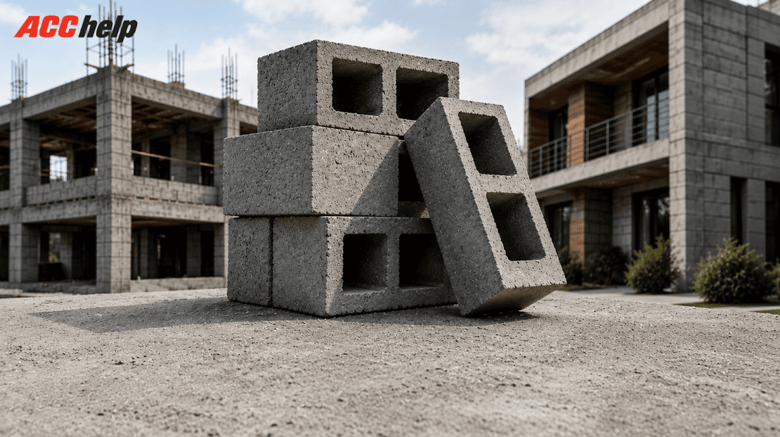
Table of Content
Building a home is a major investment, and choosing the right materials can make a significant difference in its strength and durability. Today, many homeowners and builders are moving from traditional red bricks to concrete blocks because they offer better quality, faster construction, and long-term performance.
Made under controlled factory conditions, these blocks have a uniform size and shape, making construction easier and reducing material wastage. They are increasingly being used in both residential and commercial projects due to their practical benefits and reliable performance.
Why More Builders Are Choosing Concrete Blocks
As construction timelines become tighter and the demand for durable buildings continues to grow, builders are increasingly choosing materials that can improve both quality and speed. This has led to a growing preference for concrete blocks in residential and commercial projects.
Unlike traditional red bricks, concrete blocks are manufactured under controlled conditions, giving them a uniform size and shape. This consistency helps create straighter walls, reduces material wastage, and allows construction work to progress more smoothly.
1. Strong and Durable Walls
One of the biggest advantages of using these blocks is their strength since they are manufactured under controlled conditions, providing reliable performance and helping improve the durability of the structure.
When used along with quality cement solutions from the ACC concrete range, they can create stronger bonding between joints and help reduce the chances of cracks developing over time, making them a dependable choice for long-lasting homes and buildings.
2. Faster Construction
Compared to traditional red bricks, these blocks are larger in size, so fewer units are needed to complete a wall, helping reduce labour time and speeding up construction work. Faster wall construction is particularly useful when projects are working within tight timelines or facing labour shortages, thereby reducing construction time and helping lower overall project costs.
3. Better Thermal Comfort
India experiences high temperatures in many regions for a large part of the year. Certain block variants contain hollow spaces that help slow down heat transfer from the outside, which can help keep indoor spaces comparatively cooler, improve indoor comfort levels, and reduce dependence on cooling systems, making homes more energy-efficient in the long run.
4. Lower Water Absorption
Damp walls, peeling paint, and moisture seepage are common concerns for homeowners, making the choice of walling material an important factor in long-term building performance. Good-quality concrete blocks generally absorb less water than traditional red bricks, which helps reduce moisture ingress and minimise moisture-related problems over time. This lower water absorption also enhances the long-term durability and performance of walls. When used in combination with quality cement products such as ACC Concrete Plus, concrete blocks can further contribute to a stronger, more durable, and longer-lasting structure.
5. Helps Reduce Building Weight
Lightweight block variants can reduce the overall weight placed on the structure, making them particularly beneficial for multi-storey projects where managing structural load is essential for design efficiency. By reducing the weight of the walls, these blocks can also provide greater flexibility during construction, support more efficient structural planning, and contribute to the overall ease of the building process.
6. A More Sustainable Choice
Sustainability is becoming an important consideration in modern construction, and many blocks are manufactured using industrial by-products such as fly ash, reducing dependence on the natural soil resources commonly used in traditional red brick production. As a result, they offer a more environmentally responsible alternative for homeowners and builders seeking sustainable construction materials without compromising on performance.
Concrete Blocks vs. Traditional Red Bricks
Many homeowners compare concrete blocks and traditional red bricks before starting construction. While both materials are widely used, they differ in terms of construction speed, consistency, durability, and overall performance.
Traditional red bricks are smaller in size and require a greater number of units and mortar joints to build a wall, which can increase both construction time and material usage. In comparison, concrete blocks are larger, allowing walls to be constructed with fewer units, thereby improving construction speed and efficiency.
In addition to faster construction, concrete blocks are manufactured under controlled conditions, resulting in a more uniform size and shape. They also offer better thermal performance and lower water absorption, helping improve indoor comfort while reducing the risk of moisture-related issues. These qualities make them a practical and reliable choice for modern residential and commercial construction.
The final choice depends on the specific requirements, budget, and design preferences of the project. However, because of their efficiency, consistent quality, and long-term performance, concrete blocks are increasingly becoming the preferred walling material for many builders and homeowners.
Building With Confidence
The growing popularity of concrete blocks reflects the increasing demand for construction materials that combine efficiency, durability, and long-term performance. Their ability to accelerate construction, provide durable walls, reduce moisture-related problems, and improve thermal comfort makes them well-suited for the needs of modern residential and commercial projects.
For homeowners and builders seeking a reliable walling solution, concrete blocks offer a practical and efficient choice. When used alongside quality cement products such as ACC Concrete Plus, they can contribute to stronger, more durable structures with lasting performance over time.
Frequently Asked Questions
Q1. What is the difference between concrete blocks and traditional red bricks?
Concrete blocks are larger and more uniform than traditional red bricks, requiring fewer units for construction while also offering better thermal performance and lower water absorption whereas traditional red bricks are smaller and may require more time, mortar, and labour during construction.
Q2. Are concrete blocks better than traditional red bricks?
Yes. They offer more consistent quality, faster construction, and lower water absorption, making them a practical option for modern residential and commercial projects.
Q3. Do these blocks help keep homes cooler?
Yes. Hollow spaces inside certain block variants help reduce heat transfer and improve indoor comfort during hot weather conditions.
Q4. Which cement should be used with these blocks?
Using quality products such as ACC Concrete Plus can help improve bonding strength and contribute to durable wall construction.
Q5. Do they reduce construction time?
Yes. Their larger size means fewer units are required, allowing builders to complete wall construction more quickly.
Q6. Are they environmentally friendly?
Many modern blocks use industrial by-products such as fly ash, making them a more sustainable alternative to traditional red bricks.