
5 Signs You're Choosing the Wrong Cement for Your Construction Project

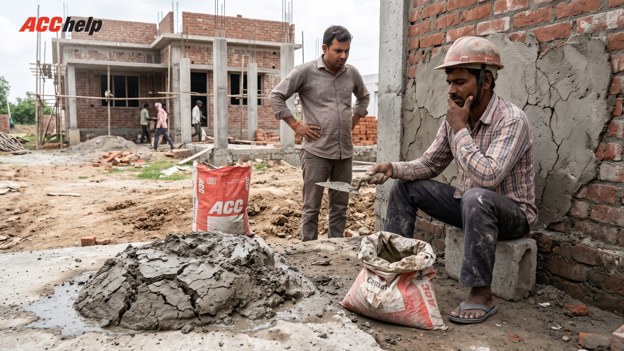
Table of Content
Building a home requires careful planning, and choosing the right cement is one of the most important decisions in the process. Cement binds construction materials together and helps provide the strength and durability a building needs.
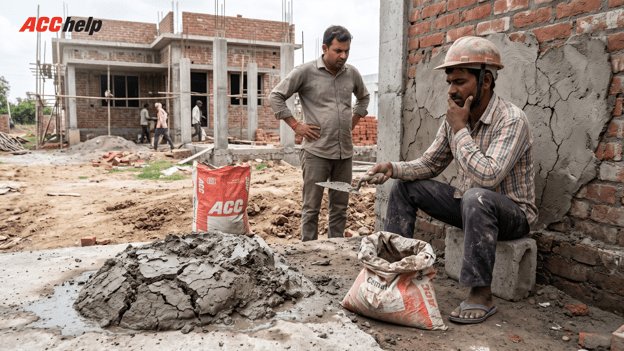
However, choosing cement based only on price, brand familiarity, or general advice can lead to problems later. From cracks in walls to higher maintenance costs, the wrong choice can affect construction quality. Recognising the warning signs early can help homeowners and builders make informed decisions and avoid unnecessary expenses.
Why Does Choosing the Right Cement Matter?
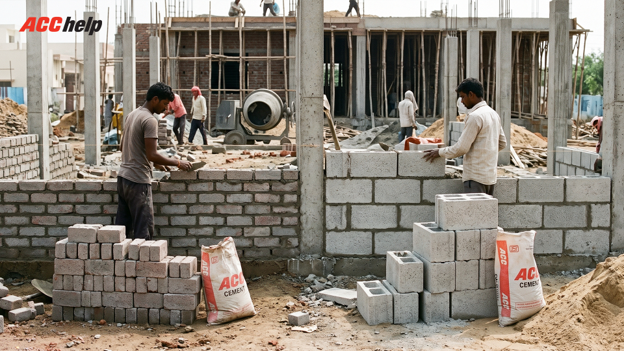
Cement quality influences the performance of concrete and mortar, which are essential for foundations, columns, slabs, brickwork, and plastering. The right product must suit the intended application, structural design, and environmental conditions.
Choosing the best cement for house construction does not mean purchasing the most expensive option. It means selecting a suitable product that meets applicable quality standards and the project's technical requirements.
Here are five signs that the cement selection process may need a closer look.
1. You're Choosing Cement Without Checking Its Grade or Type
Different cement types serve different purposes. Selecting one without understanding the construction requirement can affect workability, strength development, and long-term performance.
- OPC cement: Ordinary Portland Cement is available in grades such as 43 and 53. The appropriate grade depends on the design and application, rather than simply the size of the building.
- PPC cement: Portland Pozzolana Cement contains pozzolanic materials and can offer good long-term strength development and durability when properly mixed and cured.
- Application-specific selection: Foundations, reinforced concrete, masonry, and plastering may have different requirements. The engineer should specify the appropriate cement or concrete mix.
For example, the cement suitable for a reinforced concrete slab may not be the most practical choice for plastering. Before purchasing, confirm the grade and type recommended for each application instead of assuming one product is suitable for every task.
2. You're Buying Based Only on Price
A lower price may seem attractive when purchasing cement in bulk, but the initial cost does not tell the complete story. Quality, consistency, transportation, storage, and suitability for the intended application also matter.
Watch out for these warning signs:
- The seller cannot provide clear product details or an authentic bill.
- The packaging does not show the required identification and manufacturing information.
- The product's quality claims cannot be verified.
- The price is unusually low without a reasonable explanation.
A reliable cement brand should provide clear product information and comply with applicable standards. ACC Cement is a premium source of quality-controlled cement and construction materials, but the specific product should still be selected according to the project's needs.
3. You're Ignoring Freshness and Quality Checks
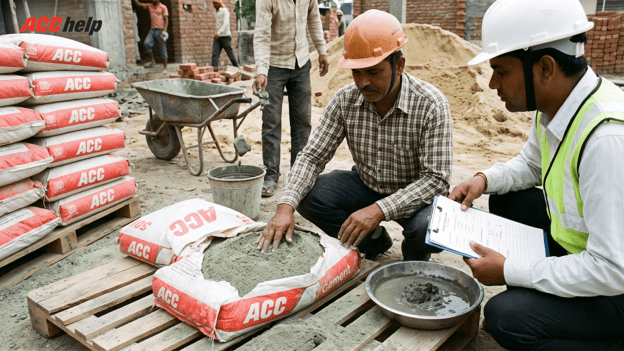
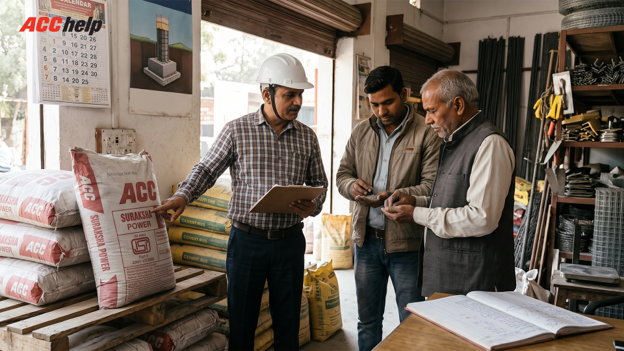
Cement can deteriorate when exposed to moisture during transportation or storage. Buying damaged, damp, or poorly stored bags can affect its performance, even when the original product was of good quality.
Check these points before accepting a delivery:
- Manufacturing date: Review the date and follow the manufacturer's guidance on storage and recommended use.
- Packaging: Look for torn bags, moisture damage, and signs of improper handling.
- Texture: Cement should generally feel smooth when rubbed between the fingers. Hard lumps may indicate moisture exposure.
- Certification: Check the applicable BIS Standard Mark and product details, and verify that the certification is valid for the product.
These checks help identify possible issues, but they cannot confirm cement strength on their own. Formal testing may be necessary when quality is in doubt. Never rely on informal water-floating tests as proof of quality.
4. You're Not Considering the Construction Stage or Site Conditions
The same cement selection may not suit every application or environment. Exposure to moisture, sulphates, chlorides, and coastal conditions can influence the durability requirements of concrete.
For example, a coastal home may need concrete designed to resist chloride-related reinforcement corrosion. Similarly, foundations exposed to sulphate-rich soil or groundwater may require special precautions.
Consider these factors before placing an order:
| Construction requirement | What to consider |
|---|---|
| Foundations | Soil conditions, groundwater, structural design, and exposure |
| Columns and slabs | Specified concrete grade, reinforcement, and strength requirements |
| Brickwork and plastering | Workability, finish, and suitability for the application |
| Coastal or chemically exposed areas | Exposure-specific durability requirements |
5. You're Overlooking Storage and Handling
Even good-quality cement can lose its effectiveness if it is stored incorrectly. Moisture exposure can cause partial hydration and hard lumps, affecting the material's performance.
To prevent avoidable damage:
- Store bags in a dry, covered, well-ventilated area.
- Keep them on raised pallets rather than directly on the floor.
- Maintain a gap between the stacks and exterior walls.
- Protect the bags from rain, dampness, and water leakage.
- Follow a first-in, first-out system so older stock is used first, subject to its condition and recommended storage period.
Proper handling should continue from delivery until the cement is used. If the bags show significant hardening or moisture damage, seek technical guidance rather than assuming the material is suitable.
How to Make a Better Cement Selection
Finding the best cement for house construction involves checking more than the product name. Confirm the required grade, verify certification, inspect packaging, and purchase from an authorised or reliable supplier. Store the material correctly and follow the engineer's recommendations for mixing, placement, and curing.
The PPC cement or OPC variant selected should match the intended application and exposure conditions. Similarly, a trusted cement brand should be evaluated alongside product specifications, rather than treated as a substitute for technical checks.
ACC Cement offers a range of construction materials that can be considered when comparing products for residential projects. Review the available specifications and seek professional advice to ensure the selected product meets the project's requirements.
Conclusion
Choosing the wrong cement can lead to avoidable repairs, poor construction quality, and higher long-term costs. Checking the product type, price, freshness, site requirements, and storage conditions helps reduce these risks. Ultimately, the best cement for house construction is the one that meets the required standards and performs reliably in its intended application. A careful selection process, supported by professional guidance and quality checks, can help build a safer and more durable home.
Frequently Asked Questions
Q1. What are the common signs of choosing the wrong cement?
Warning signs include ignoring cement grades, buying damaged or old stock, choosing solely by price, overlooking site conditions, and storing bags incorrectly. ACC recommends evaluating product specifications and quality requirements before purchasing cement for construction.
Q2. Is expensive cement always better for home construction?
No, a higher price does not automatically guarantee better performance. Cement should meet applicable quality standards and suit the intended application. Comparing specifications, certification, and storage conditions helps builders make informed choices, including when considering ACC products.
Q3. Should the same cement be used for every construction stage?
Not necessarily. Foundations, reinforced concrete, masonry, and plastering may have different requirements. The appropriate cement type or concrete mix depends on structural design, exposure conditions, and applicable standards. Consult an engineer before finalising specifications.
Q4. How can I identify cement that may have deteriorated?
Check for damaged packaging, moisture exposure, and hard lumps inside the bag. Review the manufacturing date and storage history as well. If cement quality remains uncertain, seek professional assessment or laboratory testing before use.
Q5. Why should builders consider ACC Cement for construction projects?
ACC offers cement products for different construction requirements. Builders should compare the relevant product specifications, applicable standards, and project needs before choosing. Proper handling, suitable applications, and correct curing remain essential for reliable construction performance.