
Best Waterproof Cement for Indian Homes: Protect Your House from Dampness and Seepage

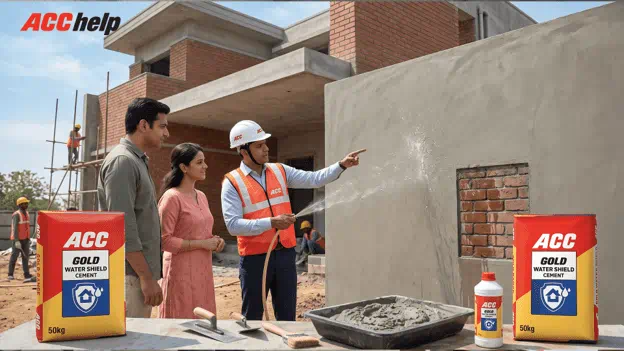
Table of Content
Water seepage and dampness can slowly affect a home, especially during heavy rains and in areas that are regularly exposed to moisture. Damp patches, peeling paint, stains and moisture in walls are common signs that water is finding its way into parts of the house. Choosing the best waterproof cement at the right stage of construction can help reduce water absorption and provide added protection in moisture-prone areas.
However, waterproofing is not only about choosing a cement. The product, application method, surface preparation and site conditions all play an important role.
What Is Waterproof Cement?
Waterproof cement is cement designed with properties that help reduce water absorption and limit moisture movement through concrete or mortar. Unlike regular cement, some specialised cement products include water-repellent properties as part of their formulation.
This can make them useful for parts of a home that face greater exposure to water, such as foundations, external walls, roof slabs and other moisture-prone areas.
The exact product and application should always be selected according to the construction requirement and advice from the engineer or contractor.
Why Is Waterproofing Important for Indian Homes?
Indian homes can experience different levels of rainfall, humidity and groundwater exposure depending on the region. If moisture enters construction materials, it can lead to visible problems over time.
Common issues include:
- Damp patches on walls and ceilings
- Water seepage after heavy rainfall
- Peeling or damaged paint
- Cracks or surface damage linked to moisture
- Moisture-related problems in bathrooms and other wet areas
- Damage to construction materials over time
Good waterproofing planning can help address these risks before they become repeated repair problems.
Where Is Waterproof Cement Used?
Waterproof cement can be considered for several areas where moisture exposure is higher. However, the right waterproofing method depends on the design and condition of the house.
| Area | Why Waterproofing Matters |
|---|---|
| Bathrooms | Helps manage frequent moisture and water exposure |
| Terraces | Helps protect surfaces from rainwater |
| Roofs | Helps reduce the risk of water entering the structure |
| Exterior walls | Helps protect against rain and moisture |
| Foundations/basement areas | Can help address water-related concerns |
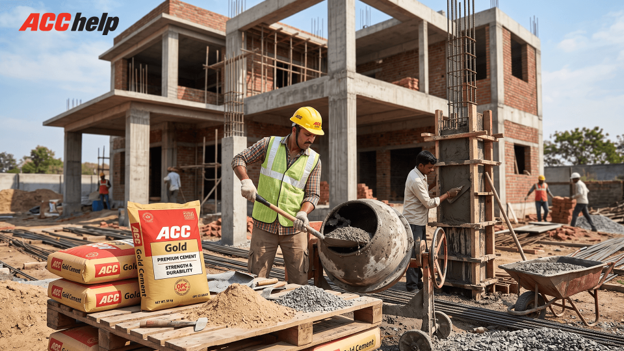
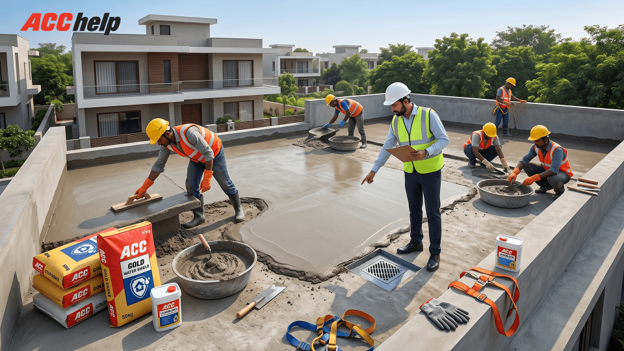
For example, ACC Gold Water Shield Cement is designed with water-repellent properties and is listed for applications including foundation concrete, wall plastering and slab casting.
Benefits of Waterproof Cement
Using the right cement in moisture-prone applications can provide practical benefits such as:
- Reduced water absorption: It can help limit the movement of water through concrete and mortar.
- Added moisture protection: It provides an extra layer of protection in areas exposed to water.
- Better durability: Limiting moisture entry can support the long-term performance of construction.
- Protection of surfaces: It can help reduce moisture-related issues on walls, slabs and other surfaces.
- Useful for wet areas: It can be considered where water exposure is a regular part of use.
These benefits do not mean waterproof cement alone can solve every seepage problem. Cracks, drainage issues, poor construction and incorrect application can also contribute to water seepage.
How to Choose the Best Waterproof Cement for Your Home
Choosing the best waterproof cement should start with understanding where you need protection. Before buying, homeowners should consider:
- Area of use: Check whether the cement is intended for foundations, plastering, slabs or another application.
- Water exposure: Consider how much rain, groundwater or regular water contact the area receives.
- Product quality: Choose cement from a reliable manufacturer and check the product information.
- Application requirements: Follow the manufacturer's recommended mixing and application method.
- Freshness and storage: Buy properly stored cement and check the bag before use.
- Professional advice: Ask your engineer or contractor which product is appropriate for the specific construction work.
- Trusted supplier: Buy from an authorised or reliable source to reduce the risk of poor-quality or improperly stored material.
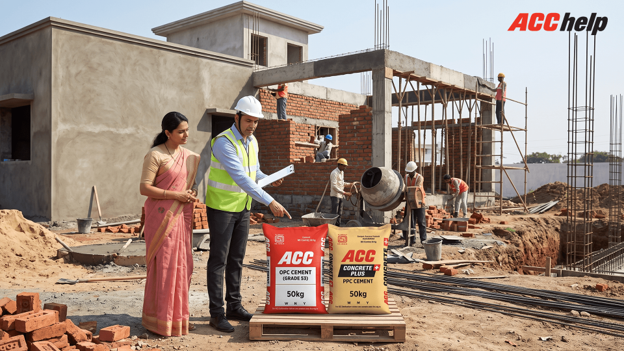
ACC Gold Water Shield Cement is one example of a cement specifically designed for water-repellent performance. ACC states that its formulation is intended to help reduce water penetration and protect against dampness and seepage.
Waterproof Cement vs Regular Cement
Waterproof cement and regular cement can both have important roles in home construction. The main difference is the additional water-repellent properties offered by specialised waterproof cement.
| Factor | Waterproof Cement | Regular Cement |
|---|---|---|
| Main purpose | Construction with added water-repellent properties | General construction applications |
| Moisture protection | Designed to reduce water absorption | Does not specifically provide the same water-repellent properties |
| Common uses | Moisture-prone construction areas, depending on the product | General concrete, mortar and construction work |
| Suitable areas | Areas selected according to product specifications | Areas specified for regular cement use |
This does not mean regular cement is unsuitable for home construction. The right choice depends on the application, design and construction requirements.
Is Waterproof Cement Suitable for Bathrooms and Terraces?
Bathrooms and terraces regularly come into contact with water, so waterproofing needs careful planning.
- Bathrooms: Waterproof cement may be considered for suitable concrete, mortar or plaster applications, but joints, plumbing points, drainage and the overall waterproofing system also need attention.
- Terraces: Rainwater can collect on terraces if drainage is poor. The surface, slope and waterproofing method should be planned together.
- Roofs: Roof slabs need protection from repeated rain and moisture exposure. The suitable cement and waterproofing system should be selected based on the roof design.
A cement product should not be treated as a complete replacement for every waterproofing treatment. Site conditions and the recommended construction system matter.
Tips for Better Waterproofing
Choosing the best waterproof cement is only one part of protecting a home from moisture. Homeowners should also make sure that:
- The product is suitable for the intended application.
- The surface is cleaned and prepared properly.
- The recommended mixing and application method is followed.
- Cracks or damaged areas are addressed before waterproofing.
- The required curing process is followed.
- Drainage and water outlets are planned properly.
- Professional advice is taken for difficult or recurring seepage problems.
Buying good-quality cement from a trusted source also matters. Proper storage and handling can help ensure that the material is in suitable condition when it is used.
Protect Your Home from Water Damage
Waterproofing should be considered early when building or renovating an Indian home. Dampness and seepage can affect walls, roofs, foundations and other parts of a house, so choosing suitable materials and following the right application process is important. The best waterproof cement can provide added protection against moisture when it is selected and used correctly. A good product, proper surface preparation, correct application and professional guidance can work together to help keep a home better protected from water-related problems.
Frequently Asked Questions
1. Which is the best waterproof cement for home construction?
The best waterproof cement depends on the area where it will be used and the level of moisture exposure. Homeowners should check the product's intended applications and consult their engineer or contractor before choosing one.
2. What are the benefits of waterproof cement?
It can help reduce water absorption, limit moisture movement and provide added protection in areas that are exposed to water. Its effectiveness also depends on proper application and the overall waterproofing system.
3. How do I choose waterproof cement for my home?
Start by identifying the areas that need moisture protection. Then check the product's specifications, application requirements, quality and storage condition. A contractor or engineer can also recommend a suitable option based on the construction.
4. Which cement is suitable for bathrooms and terraces?
The suitable cement depends on the construction method and the waterproofing system being used. Bathrooms and terraces require careful attention to water exposure, drainage, joints and surface preparation.
5. Does waterproof cement completely prevent water seepage?
No cement should be treated as a guarantee against every seepage problem. Water can enter through cracks, joints, drainage problems or other construction issues. Proper design, application and maintenance are also important.