
House Construction Cost in India: 10 Smart Ways to Reduce Your Building Budget

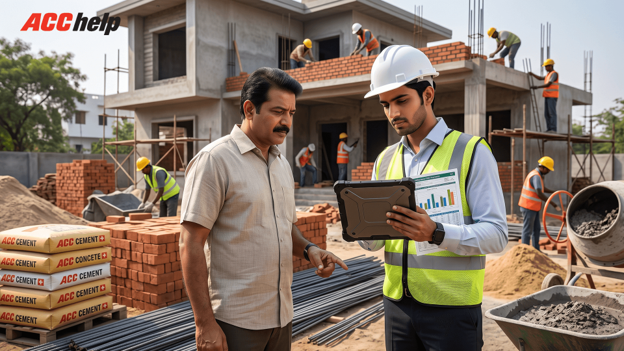
Table of Content
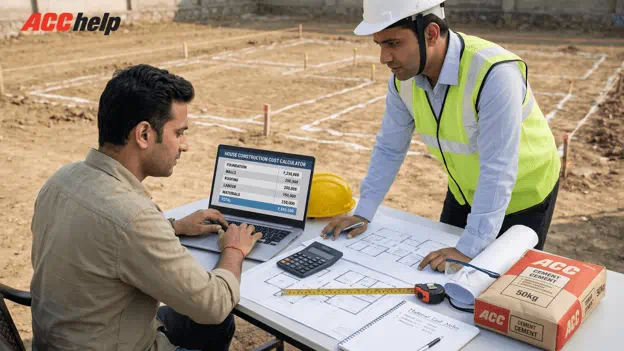
Building a house is a major investment, and costs can rise quickly when there is no clear plan. From cement and steel to labour, flooring, electrical work and finishing, many expenses need to be managed together. Understanding the house construction cost before work begins can help homeowners make better decisions and avoid unnecessary spending. The aim should not be to choose the cheapest option, but to spend wisely while maintaining safety, durability and quality.
What Is the Average Cost of Building a House in India?
There is no single construction rate that applies to every home in India. The final cost depends on the city, plot conditions, house size, number of floors, design, materials, labour rates and level of finishing. Current 2026 estimates published by construction and housing platforms show wide differences in per-square-foot rates, which highlights why a local estimate is more useful than a nationwide figure.
Cost per square foot is commonly used for early planning. For example, some 2026 estimates place basic-to-standard construction in broad ranges of roughly ₹1,500–₹2,500 per sq. ft., while premium specifications can go higher. These are planning references, not guaranteed market prices. Your actual house construction cost can be different based on your location, design and material choices.
What Affects House Construction Cost in India?
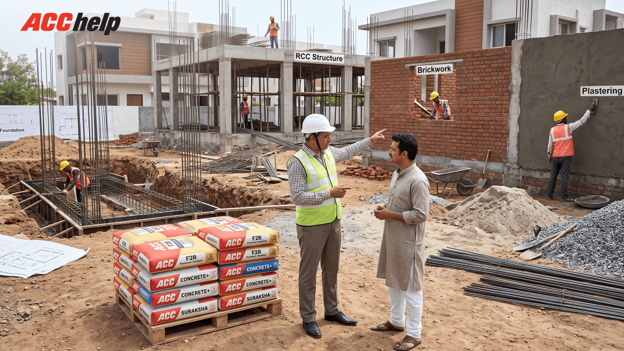
The size of the house is one of the biggest factors because a larger built-up area requires more materials, labour and finishing work. Location also matters. Labour charges, transportation costs and the availability of materials can vary significantly between cities and smaller towns.
The design of the house can also change the budget. A simple layout with fewer corners, balconies and complicated structural features is generally easier to construct than a highly detailed design. The number of floors, foundation requirements and soil conditions can also affect structural costs.
Materials are another major expense. Cement, steel, bricks, sand, aggregates, tiles, doors, windows and fittings all contribute to the final amount. Labour, electrical work, plumbing, painting and other finishing work must also be considered. Changes made after construction starts can increase costs because they may lead to additional material, labour and rework.
Basic vs Premium House Construction
A basic house generally uses simple flooring, standard doors and windows, practical bathroom fittings and straightforward paint and lighting choices. A mid-range home may include better tiles, fittings, windows and kitchen finishes. A premium home usually involves higher-priced finishes, customised designs and more expensive fittings.
This is why building construction costs should not be judged only by the price of the cement or the structure. Finishing choices can make a noticeable difference to the final budget. At the same time, spending more does not automatically mean better construction. Good structural planning and reliable materials remain important at every budget level.
10 Smart Ways to Reduce Your House Construction Budget
Plan the Budget Before Construction Starts
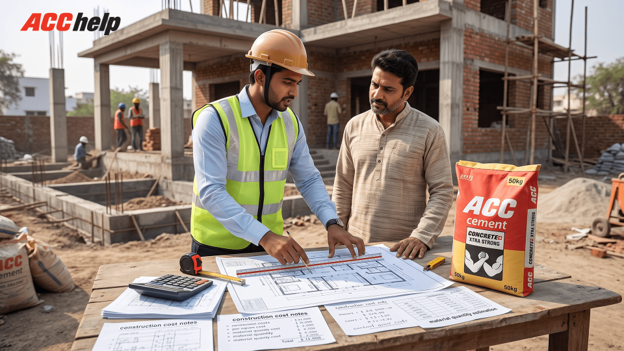
Set a realistic budget before ordering materials or finalising contractors. Divide the expected spending into major areas such as structure, services and finishing. This gives you a clear limit for design and material decisions.
Finalise the Design Early
Try to complete the house plan, room sizes and major design decisions before construction begins. Last-minute changes can require extra labour and materials and may delay the project.
Avoid Unnecessary Design Changes
Changing the position of walls, windows, electrical points or plumbing lines after work has started can create avoidable costs. A well-reviewed plan helps reduce rework.
Choose Materials Carefully
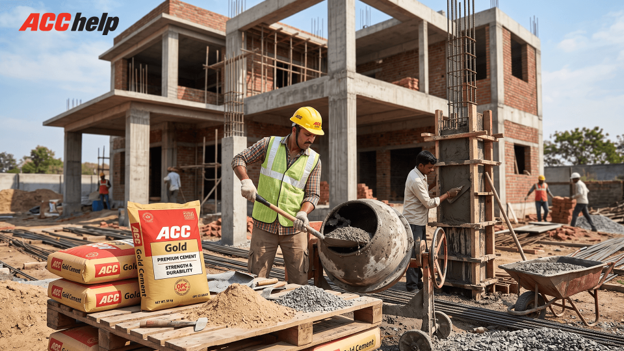
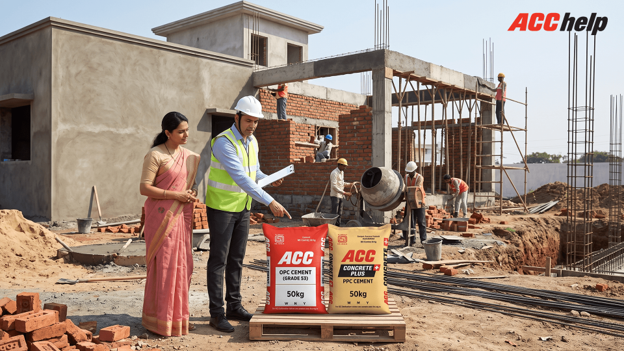
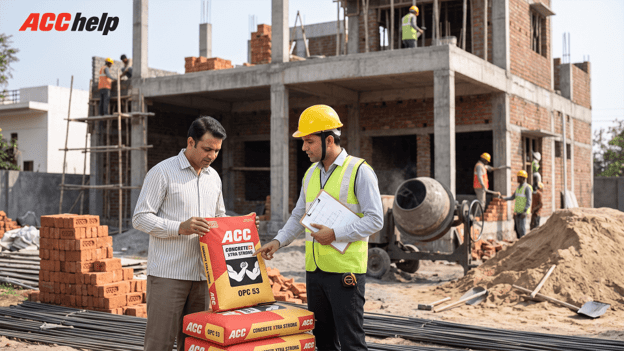
Do not automatically choose the cheapest material. Compare quality, durability, availability and price before making a decision. For essential construction materials such as cement, choosing a dependable product can help support consistent construction quality. ACC, for example, provides cement and other building-material solutions for home construction.
Compare Supplier Prices
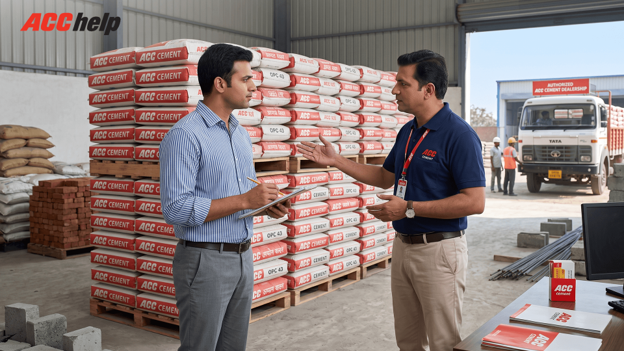
Get quotations from more than one local supplier before purchasing large quantities. Check whether transportation, taxes and delivery charges are included so that you are comparing the actual cost.
Control Finishing Costs
Premium tiles, designer lights, expensive bathroom fittings and elaborate ceilings can quickly increase the budget. Choose where an upgrade genuinely matters and use simpler options in areas where it does not add much value.
Plan Electrical and Plumbing Work Properly
Decide the location of switches, lights, appliances, water outlets and bathroom fittings early. Good planning reduces the chance of breaking finished walls or floors later.
Reduce Material Wastage
Order materials according to the construction schedule and store them properly. Poor storage can damage cement, tiles, wood and other materials, leading to unnecessary replacement costs.
Choose a Reliable Contractor
A low initial quote is not always the cheapest option. Compare the contractor's experience, scope of work, material responsibility and payment terms. A clear agreement can help prevent unexpected charges later.
Keep Money Aside for Unexpected Costs
Even a carefully planned project can face changes in material prices, repairs, delays or additional work. Keeping a separate contingency amount gives you room to handle these expenses without disrupting the entire budget.
How Can You Plan Your Construction Budget?
Start with the built-up area and a locally relevant construction estimate. Then divide the budget into structural work, walls, roof work, flooring, electrical and plumbing work, doors and windows, painting, labour and other finishes. Make sure you understand exactly what a contractor's quotation includes.
The construction cost in India can change with market conditions, so material quotations should be checked close to the time of purchase rather than relying on old prices. Current 2026 guides also point out that cement, steel, labour and other inputs can vary by location and over time.
How Much Does It Cost to Build a House in India in 2026?
There is no reliable single figure for the whole country. Published 2026 estimates show that construction can range widely depending on specifications and location, with some standard residential estimates falling around ₹1,500–₹2,900 per sq. ft. and premium construction going higher. These figures should be treated only as broad planning references, not fixed quotations.
For a useful estimate, homeowners should get a local quotation based on their built-up area, structural plan, material specifications, labour rates and finishing requirements. Checking current local prices is especially important because construction costs can change with market conditions.
Build Smart, Spend Wisely: Keeping Your Construction Budget on Track
Keeping the house construction cost under control is mainly about planning before spending. A clear design, realistic budget, careful material selection, reliable contractors and fewer changes during construction can reduce avoidable expenses. However, cost saving should never mean compromising structural safety or using poor-quality materials. The smartest approach is to spend carefully on the parts that affect the home's strength and long-term performance while keeping unnecessary finishing expenses under control.
Frequently Asked Questions
1. What is the average cost of house construction in India?
There is no single national average. The house construction cost depends on location, built-up area, materials, labour, design and finishing level. Local quotations provide a more useful estimate.
2. What factors affect construction costs?
House size, location, number of floors, foundation requirements, materials, labour, electrical and plumbing work, design complexity and finishing choices can all affect the final amount.
3. What is the cost difference between basic and premium house construction?
Basic construction generally uses simple and practical materials and finishes, while premium construction uses higher-priced fittings, finishes and customised designs. The difference varies by location and specifications.
4. How much does it cost to build a house in India in 2026?
2026 estimates vary significantly. Published planning ranges can start around ₹1,500 per sq. ft. for basic construction and go well above ₹3,000 per sq. ft. for premium specifications, but actual local prices may differ.
5. How can homeowners reduce construction costs without affecting quality?
Plan the design early, compare suppliers, control finishing upgrades, reduce material wastage, choose reliable contractors and keep a contingency amount. Avoid cutting costs by compromising on essential structural materials or workmanship.