
Roof Waterproofing Made Easy: Choosing the Right Waterproof Cement and Plaster

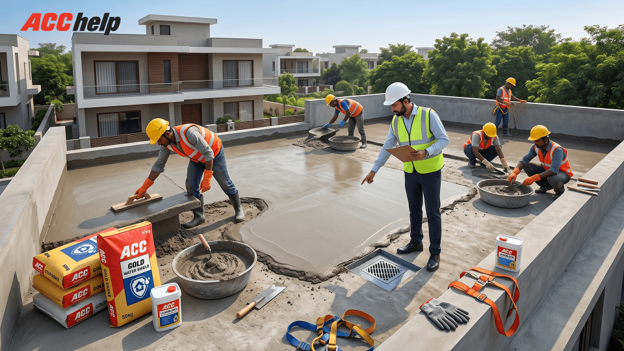
Table of Content
Rainwater is useful, but not when it finds its way into your home through the roof. During heavy rain, a roof faces direct water exposure, moisture, heat, and temperature changes. Over time, weak spots can lead to damp patches, peeling paint, stains, and seepage inside rooms. This is why choosing the right waterproof cement for roof and plaster is an important part of home construction and maintenance.
Why Does Roof Waterproofing Matter?
A roof faces rainwater, moisture, and sometimes standing water. Small cracks, poor drainage, damaged surfaces, or gaps can give water a way into the building. Once moisture enters, it may show up on the ceiling or walls below.
Roof waterproofing is meant to reduce the chance of water entering through exposed surfaces. It needs proper preparation, suitable materials, correct application, and enough curing time. If the source of leakage is a structural problem or damaged pipe, waterproofing alone may not fix it.
What Is Waterproof Cement for Roofs?
Waterproof cement is cement formulated or used with waterproofing properties to help reduce water penetration in suitable applications. Depending on the product, it may be used in concrete, mortar, or another part of a waterproofing system.
When choosing waterproof cement for roof, homeowners should understand where the material will be used. A cement product for general roof construction may have a different purpose from a cement-based waterproofing product. Product instructions and professional advice should guide the choice.
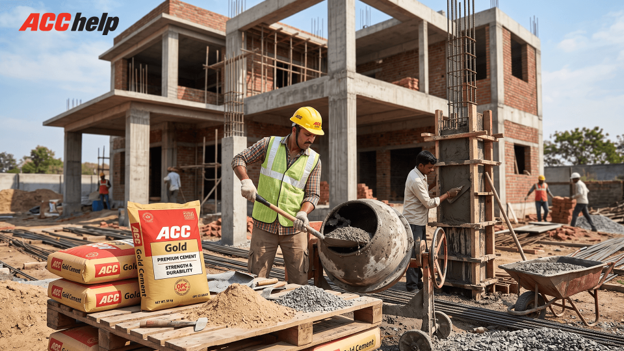
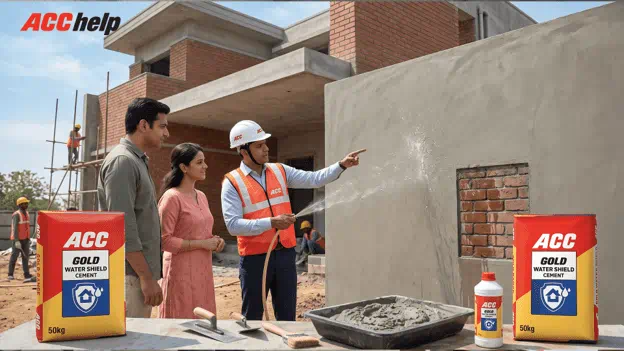
For example, ACC lists ACC Gold Water Shield as a cement with a water-repellent formula designed to act as a shield against water seepage. Its current portfolio also includes ACC LeakBlock products for waterproofing applications. These are specific products with specific uses, so they should be selected according to the roof and the work being carried out.
How Does Waterproof Plaster Help Protect a Roof?
Plaster can provide a protective layer over a suitable surface. When a cement-based plaster is designed for waterproofing, it can form part of a system that helps limit water penetration. Surface preparation matters because dust, loose material, and cracks can affect bonding.
A waterproof plaster should not be treated as a quick fix for every leak. The surface needs to be checked first, and the product should be mixed, applied, and cured according to its instructions. For walls and other moisture-exposed surfaces, waterproof wall plaster may be considered where the product is designed for that application.
ACC's current portfolio includes ACC LeakBlock Waterproof Plaster LB 101 and Waterproof Plaster 201. ACC describes these as cement-based dry-mix plaster solutions with specific waterproofing-related additives. The exact product and application should match the construction requirement.
Waterproof Cement vs Waterproof Plaster
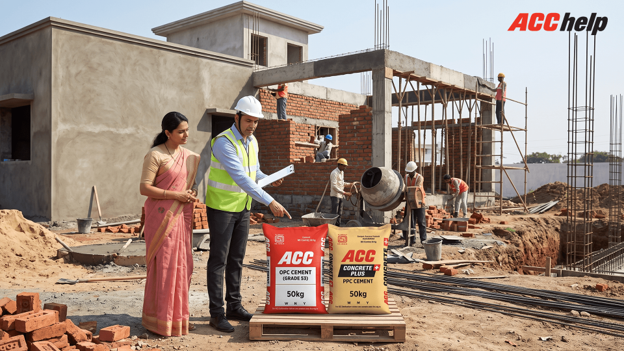
Waterproof cement and waterproof plaster can support waterproofing work, but they are not automatically interchangeable. Cement can be part of concrete, mortar, and other mixes, while waterproof plaster is a prepared plaster material intended for suitable surface applications.
In simple terms, think about where the material is needed. A cement product may be selected for concrete or mortar work, while waterproof plaster may be used to create a protective plaster layer. The right combination depends on the roof design, surface condition, water exposure, and waterproofing system recommended for the project.
How to Choose the Right Waterproofing Solution for Your Roof
Start by checking the condition of the roof instead of choosing a product only because it says waterproof. Look for visible cracks, damaged plaster, areas where water collects, loose surfaces, and signs of previous repairs. Also consider how much rain the roof receives and whether water drains away properly.
The type of roof surface matters too. A new roof may require a different approach from an older roof with seepage. Before selecting waterproof cement for the roof, check its intended application, preparation requirements, mixing instructions, curing process, and suitability for the surface.
If there is active leakage, recurring dampness, or a large crack, have the problem assessed by a qualified professional to identify the source before choosing a repair.
Common Roof Waterproofing Mistakes to Avoid
One common mistake is waiting until a small crack becomes a visible leak. Another is applying a waterproofing material over a dirty, loose, or poorly prepared surface. Even a suitable product may not perform as intended if the surface is not ready.
Using the wrong material is another problem. A product designed for one type of work should not automatically be used for another. Homeowners should also avoid changing the mix or curing method without guidance. Following the manufacturer's instructions helps the material perform as intended.
When Should You Waterproof Your Roof?
Roof waterproofing can be planned during new construction, during relevant roof work, or as maintenance before a rainy season. Checking the roof before the rainy season can help identify small issues early.
If you already notice damp patches, stains, peeling paint, or seepage, do not simply cover the visible mark. First identify where the water is entering. The repair may involve fixing a crack, improving drainage, repairing a joint, or addressing another construction issue before waterproofing work is done.
Choosing the Right Cement and Plaster for Long-Term Protection
Good roof protection depends on more than selecting a product with the word waterproof on the pack. The material should suit the job, the surface should be properly prepared, and application should follow the recommended method. Proper curing and regular inspection also matter.
ACC's current range includes ACC Gold Water Shield and waterproofing-related solutions such as ACC LeakBlock Waterproof Plaster. These products also show why the specific purpose of a material matters.
For homeowners, the simplest approach is to understand the roof's condition, identify the source of water entry, and choose the cement, plaster, or waterproofing system that suits the work. With the right material and proper application, a waterproof cement for roof solution can be one part of protecting your home from moisture and seepage.
Frequently Asked Questions
1. Which cement is best for waterproof roof construction?
The right cement depends on the roof design, construction method, and waterproofing requirement. Choose a product intended for the specific application and follow the manufacturer's instructions.
2. How can waterproof plaster help with seepage?
Waterproof plaster can form a protective layer on suitable surfaces and may help limit water penetration when correctly applied. However, the source of the seepage should be identified before plastering.
3. When should waterproof plaster be used?
It can be considered when a suitable plaster layer is needed as part of waterproofing work. The surface condition and product instructions should be checked before application.
4. How do you choose the right waterproof plaster for your home?
Consider the surface, level of water exposure, existing damage, and intended application. Professional guidance can also help determine whether plaster is suitable for the problem.
5. Can Waterproof Cement for Roof prevent roof leakage?
It can be part of a waterproofing approach, but it cannot be assumed to prevent every type of leakage. Cracks, drainage problems, joints, plumbing issues, and other sources of water entry may need separate attention.