
Cement Dealership in India: Key Things to Know Before Becoming a Dealer

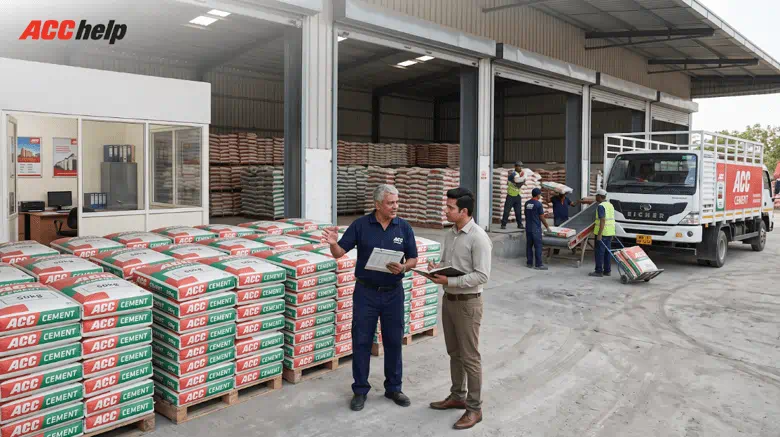
Table of Content
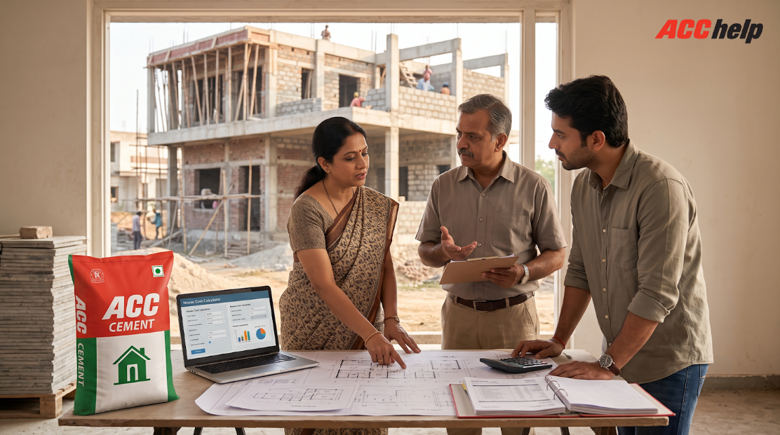
Starting a business in the construction materials sector requires more than simply buying and selling cement. Anyone considering a cement dealership should first understand local demand, storage requirements, supply arrangements, working capital, customer relationships, and the requirements of the cement brand. A clear understanding of these factors can help in planning the business more effectively.
ACC Cement has an established dealer and channel-partner network across India, along with a dealer locator and a dedicated route for prospective dealers.
What Is a Cement Dealership?
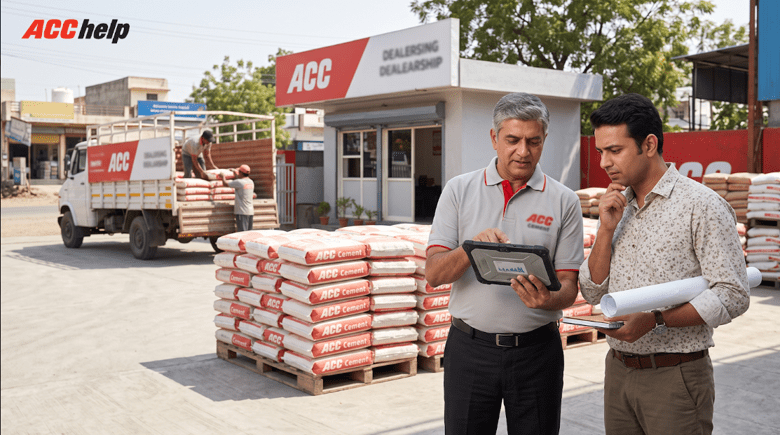
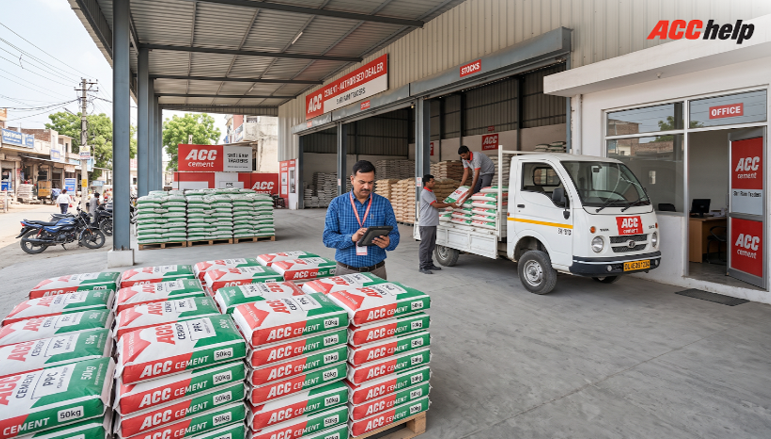
A cement dealership is a distribution business in which a dealer makes cement available to customers in a particular market. Dealers can serve homeowners, contractors, builders, and other construction-related customers who need a reliable supply of cement.
The role involves more than keeping bags in a store. Dealers need to manage stock, coordinate deliveries, understand customer requirements, maintain records, and ensure that cement is stored appropriately. Location also matters because construction customers generally value convenient access and dependable supply.
For a prospective dealer, understanding the local construction market is an important first step before making business commitments.
Why Consider a Cement Dealership in India?
Cement is an essential construction material used across residential, commercial, and infrastructure projects. However, demand can differ considerably between locations, so a business plan should be based on the conditions of the intended market rather than general assumptions.
Several factors deserve attention:
- Local construction demand: Check the level of residential and commercial construction in the area.
- Customer base: Identify potential customers, including contractors, builders, and individual homeowners.
- Competition: Understand existing cement dealers and the brands already available locally.
- Storage capacity: Cement needs appropriate storage conditions to protect it from moisture.
- Supply and delivery: Consider how stock will reach the dealership and how orders will reach customers.
- Working capital: Plan for inventory, transportation, operating expenses, and customer payment cycles.
- Business location: A suitable location can make stock management and customer access easier.
These considerations can help determine whether the business model is suitable for a particular market.
Why Does Choosing the Right Cement Brand Matter?
Brand selection can influence the products available to customers, supply arrangements, and the type of support available to a dealer. Product range, quality, market recognition, availability, and distribution capability are all relevant factors.
ACC Cement has a nationwide dealer and channel-partner network. Its current dealer page highlights transparency, innovation, technical expertise, and incentive programs as part of its dealership offering.
For a prospective dealer, the important consideration is not simply the brand name. It is whether the brand's products, distribution network, and dealership model align with the requirements of the local market.
What Should You Know Before Becoming an ACC Dealer?
Before applying, prospective dealers should evaluate the practical side of operating a dealership. Important areas include:
- Local demand for cement and construction materials
- Suitable space for storing cement safely
- Stock handling and inventory management
- Transportation and delivery arrangements
- Available working capital
- Relationships with contractors, builders, and homeowners
- Existing competition in the area
- Accessibility of the proposed business location
Actual dealership requirements, evaluation, and approval can depend on ACC's current process and the market concerned. Prospective dealers should therefore use ACC's official dealership route for current information rather than relying on unofficial claims about investment, turnover, or other requirements.
How Does the ACC Dealership Process Work?
For those exploring a cement dealership with ACC, the dealership process begins with a dealership enquiry. The option to become a dealer allows prospective dealers to express their interest and provide the relevant details for consideration.
The process generally involves the following stages:
- Submit a dealership enquiry: Select the Become a Dealer option and provide the required details.
- Share business information: Provide relevant information about the proposed business and location as part of the enquiry.
- Enquiry evaluation: ACC reviews the opportunity based on applicable business and market requirements.
- Further communication: Additional information or details may be requested during the evaluation process.
- Proceed with the dealership process: Approved opportunities can move forward based on ACC's applicable requirements and terms.
Dealership requirements and evaluation criteria may vary depending on the market and current business requirements. The applicable details are communicated as part of the dealership process.
What Business Factors Should a New Cement Dealer Plan For?
Good operational planning is important once the dealership begins functioning. A dealer should consider:
- Storage: Keep cement protected from moisture and manage stock systematically.
- Stock management: Track incoming and outgoing inventory to reduce avoidable shortages or excess stock.
- Delivery: Plan transportation based on the area's customer locations and order patterns.
- Demand forecasting: Observe construction activity and seasonal changes in local demand.
- Customer service: Provide clear information about products, availability, and orders.
- Billing and records: Maintain accurate purchase, sales, payment, and inventory records.
- Supplier coordination: Keep communication clear regarding stock and deliveries.
- Cash flow: Account for inventory purchases, operating expenses, and customer payment cycles.
These areas form an important part of running a sustainable dealership and should be considered before entering the business.
Understanding F2R Cement as Part of the ACC Product Range
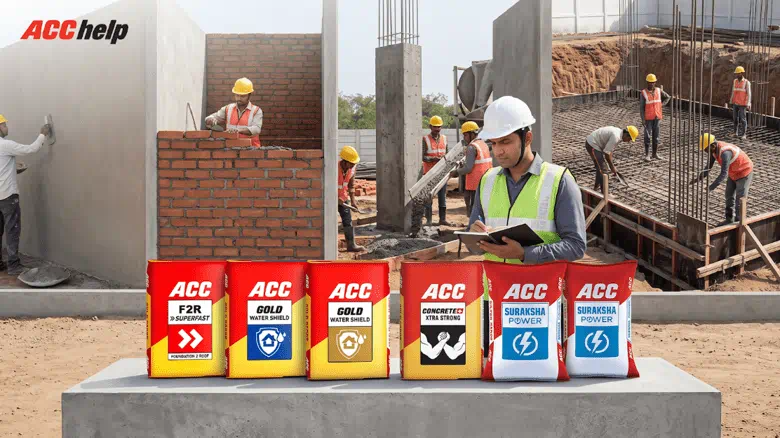
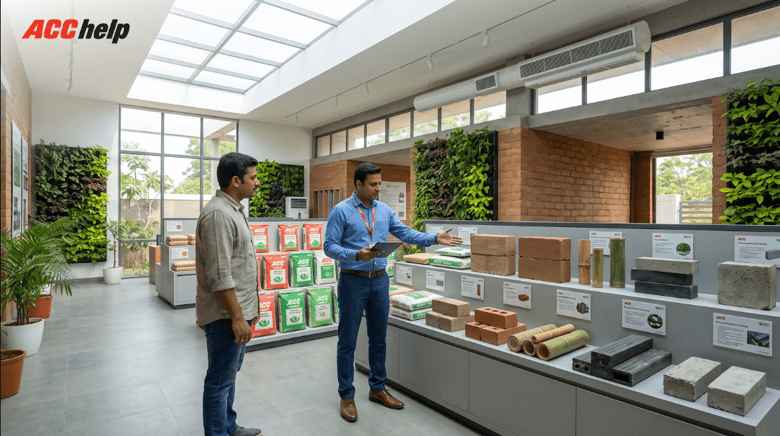
Knowing the products available is an important part of running a dealership. F2R cement is a fast-setting cement designed for construction work from foundation to roof. It can be used for applications such as foundation concrete, beams and columns, brickwork, wall plastering, and slab casting.
Having a clear understanding of different products makes it easier for dealers to answer everyday customer questions. It also helps when discussing construction requirements with homeowners, contractors, and builders. When dealers know where a particular cement is suitable, they can share relevant product information more clearly and help customers understand their options.
Why Product Knowledge Matters for Dealers
Customers often have different construction needs, so knowing the products in the range can make everyday conversations much easier. A dealer who understands product applications can answer common questions with greater clarity and point customers toward information that matches their construction requirements.
For example, knowing the applications of F2R cement can help dealers explain where it can be used, from foundation work to other stages of construction. Product knowledge, along with good stock management and customer service, can make day-to-day dealership operations more effective.
What Support Can a Dealer Expect?
A dealership is about more than keeping products in stock. Having access to the right support can also make day-to-day business operations easier. ACC's dealer and channel-partner network includes areas such as transparency, innovation, technical expertise, and incentive programs.
For a prospective dealer, these can be useful when understanding what the dealership relationship involves. Technical expertise can help with product-related understanding, while incentive programs can form part of the broader dealer engagement. The specific support and applicable terms depend on the dealership arrangement and current requirements.
Is Cement Dealership Right for Your Business?
Before moving forward, a prospective dealer can assess the opportunity through a few practical questions:
- Is there sufficient construction demand in the target area?
- Is suitable storage space available?
- Can the business support the required working capital?
- Are delivery and stock-management arrangements practical?
- Is there enough understanding of the products being sold?
- Has the current ACC dealership process been reviewed?
- Is the business prepared for the long-term operational commitment?
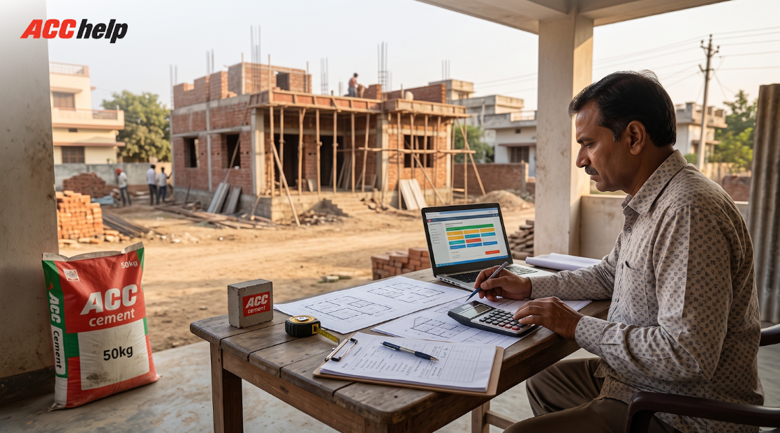
A cement dealership requires planning across demand, inventory, logistics, finances, and customer relationships. Reviewing these factors before applying can provide a clearer picture of the business opportunity and its practical requirements.
Plan Your Cement Dealership with Confidence
Starting a cement dealership involves more than stocking and selling cement. Understanding local demand, storage, supply, working capital, and customer needs can help build a practical business plan. With the right preparation and product knowledge, prospective dealers can take the next step with a clearer understanding of what the opportunity involves.
Frequently Asked Questions
Q1. How can I find trusted cement dealers near me?
ACC Help provides a dealer locator where users can select their state, district, and area to find authorised ACC cement dealers and suppliers.
Q2. How do I locate an authorised cement agency near me?
Use the official ACC Help dealer locator and enter the relevant state, district, and area. This can help identify authorised ACC suppliers in the selected location.
Q3. What should I know before starting a cement dealership?
Consider local construction demand, competition, storage, transportation, working capital, inventory management, and customer relationships before starting.
Q4. What are the basic factors to consider before becoming a cement dealer?
Business location, storage arrangements, supply and delivery, customer demand, cash-flow planning, and knowledge of the products are important factors to evaluate.
Q5. How can I apply for an ACC cement dealership?
To apply for an ACC cement dealership, select the become a dealer option and submit the required details through the dealership enquiry process. ACC reviews the enquiry based on applicable business and market requirements and communicates the next steps accordingly.