
How to Use a Construction Cost Calculator to Plan Cement and Material Expenses


Table of Content
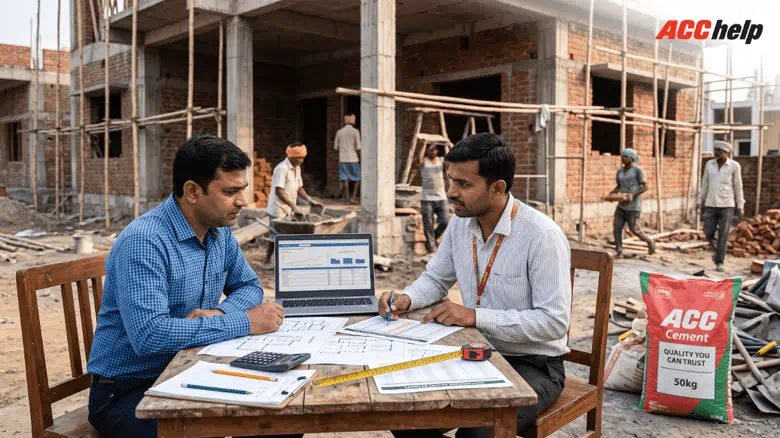
Building a home is a major financial commitment, and understanding your material expenses before construction begins can make budget planning easier. Cement, steel, sand, and other materials contribute significantly to the overall cost of a project. Without an early estimate, homeowners may face unexpected purchases, changes in material choices, or difficulty managing their funds.
At ACC, we understand that planning a home's construction budget starts with knowing where the major expenses may come from. A construction cost calculator can help you create an early estimate, understand your project's scale, and prepare for material purchases before construction starts.
Why Should You Plan Material Costs Before Construction?
Estimating material expenses before work begins helps you make informed decisions about your construction budget. It gives you an opportunity to review your requirements, compare material choices, and prepare for expenses that may arise during different stages of construction.
Early planning can help you:
- Set a realistic working budget.
- Understand the scale of your project.
- Compare material choices and their costs.
- Plan purchases according to construction stages.
- Reduce last-minute decisions.
- Keep funds available for additional expenses.
A calculator provides a starting point for better planning. It does not replace a detailed project quotation or professional advice.
What Is a Construction Cost Calculator?
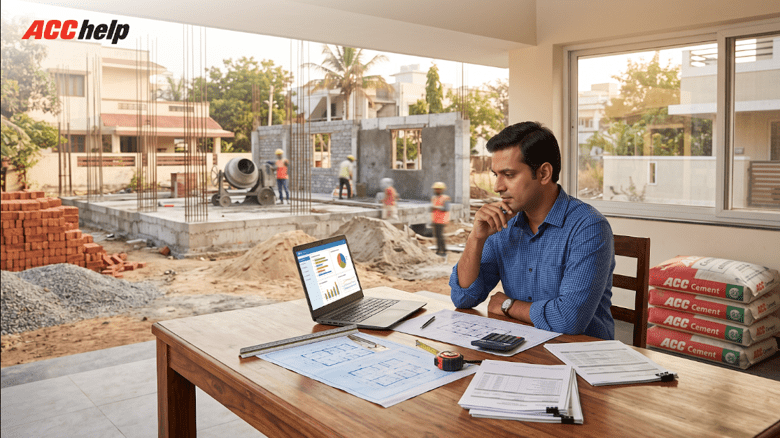
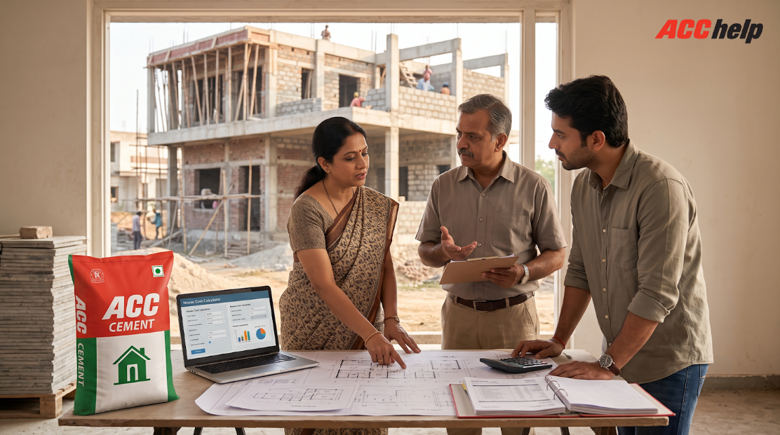
A construction cost calculator is a planning tool that estimates the potential cost of building a home using details about your project. Depending on the calculator, you may enter information such as:
- Built-up area.
- Location.
- Number of floors.
- Construction quality.
- Estimated construction rate.
- Material choices.
Our calculator can help you understand how these inputs affect your initial budget. For example, a larger built-up area may increase the quantity of materials required, while construction quality and location can influence the estimated rate.
The result is an estimate, not a final quotation. Actual expenses depend on your project design, material requirements, local prices, and the work carried out at the site.
How Does a Construction Cost Calculator Estimate Expenses?
Most basic calculators use a simple formula to create an initial estimate:
Estimated construction cost = Built-up area × estimated cost per square foot
For example, if a hypothetical project has a built-up area of 1,500 square feet and an estimated construction rate of ₹2,000 per square foot, the initial estimate would be ₹30,00,000.
This is an illustrative calculation only, not a quotation or a prediction of actual construction costs.
The estimate may cover several parts of a project, including materials, labor, and finishing work. Cement is one important material expense, but the total should not be treated as the exact cement budget unless the tool specifically provides that breakdown.
| Input | Why It Matters |
|---|---|
| Built-up area | Helps estimate the size of the project. |
| Location | Rates vary across locations. |
| Construction quality | Affects material and finishing costs. |
| Number of floors | Can affect material and labor requirements. |
| Estimated rate | Helps create the initial cost estimate. |
How Does Cement Affect the Overall Budget?
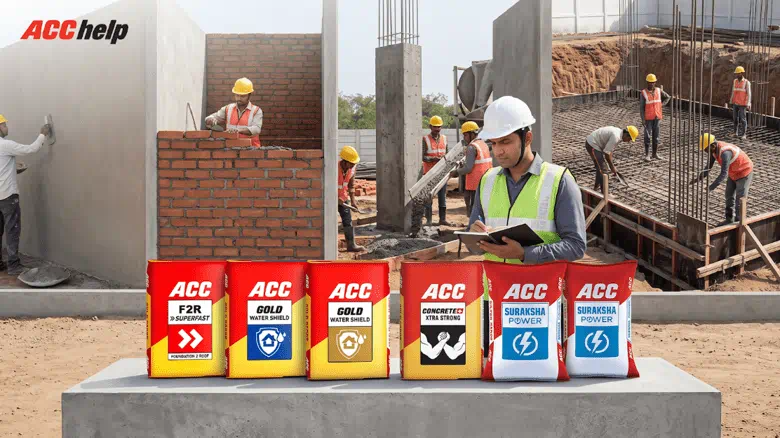
Cement is used in several stages of home construction, including foundations, beams, columns, slabs, brickwork, and wall plastering. The amount you spend on cement depends on the design, structural requirements, construction methods, and quantities specified for your project.
At ACC, we offer cement products for different construction needs. ACC F2R Cement is one of our products, and homeowners should review its official product information to understand its intended applications and features before making a selection.
When planning cement expenses, consider:
- The cement type selected for the intended application.
- The quantity specified by your engineer or contractor.
- The local purchase price.
- Transportation and delivery charges.
- Storage requirements and the possibility of material wastage.
Do not assume that every home requires the same amount of cement. Your structural drawings and project-specific material estimates should guide the actual quantity.
Understanding ACC F2R Cement Price
The ACC f2r cement price is an important consideration when preparing a cement budget. However, the actual amount you pay may vary based on your location, dealer, purchase quantity, transportation, taxes, and current market conditions.
Instead of relying on an old online price, check the current local rate with an authorized dealer. You can then use the verified rate to create a more realistic cement cost projection.
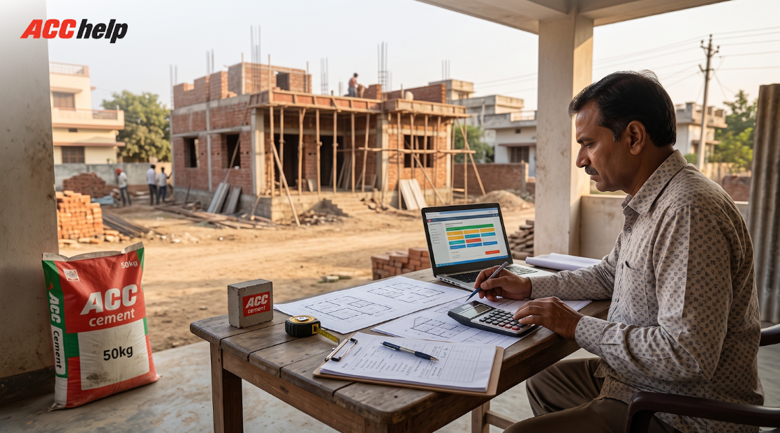
For example, if your contractor provides an estimated cement quantity, you can multiply that quantity by the current applicable price per bag. This gives you a preliminary cement expense that can be reviewed as your project develops.
What Other Material Expenses Should You Plan For?
Cement is only one part of your construction material budget. A complete estimate should consider the other materials and work required for your home's design.
Depending on the project, these may include:
- Sand and aggregates: Used in concrete and other construction work.
- Bricks or blocks: Required for walls and partitions.
- Steel: Used for reinforcement according to structural requirements.
- Flooring: Includes tiles, stone, or other selected finishes.
- Doors and windows: Costs depend on size, material, and design.
- Plumbing and electrical materials: Include pipes, wiring, fittings, and fixtures.
- Paint and finishing materials: Depend on the finish and coverage required.
The exact cost of each category depends on the size of your home, location, design, quality, and supplier rates. Include these expenses separately wherever possible so that a lower cement estimate does not create a misleading picture of your total material budget.
How Can You Use the Calculator More Accurately?
Follow these steps to make your construction cost calculator estimate more useful:
- Enter the correct built-up area. Use the area relevant to the calculator, and check whether it includes all floors.
- Select the correct location. Local labor and material rates can affect the estimate.
- Choose realistic construction quality. Your material choices should match the type of home you plan to build.
- Use current local material rates. Check cement and other major material prices with reliable suppliers.
- Include major expenses. Review whether the estimate covers material, labor, and finishing costs.
- Check exclusions. Understand which expenses are outside the calculator's estimate.
- Update the estimate when your design changes. Changes in area, floors, or finishes can affect the budget.
- Compare it with a detailed quotation. Use your estimate alongside quantities and rates provided by your contractor or engineer.
These steps can help you identify budget changes early and make more informed purchasing decisions.
What Expenses May Not Be Included?
A calculator may not cover every expense associated with building a home. Depending on the tool, exclusions may include:
- Land cost.
- Architect and consultant fees.
- Approval charges.
- Interior work.
- Furniture.
- Landscaping.
- External development.
- Site-specific preparation and additional work.
Before using the result as your working budget, check what the calculator includes. If an expense is excluded, add it separately to your project estimate.
Can a Construction Cost Calculator Give the Exact Material Cost?
No. A calculator provides an estimate for early planning, while actual material costs depend on the details of your project.
Prices can change because of market conditions, local supplier rates, transportation, labor charges, design changes, site conditions, and quantity requirements. Cement and other materials may also have different rates depending on the product and purchase location.
The calculator remains useful because it gives you a starting point. Once your design and material requirements are clearer, you can refine the estimate using current prices and detailed professional guidance.
Plan Your Cement and Material Budget With ACC
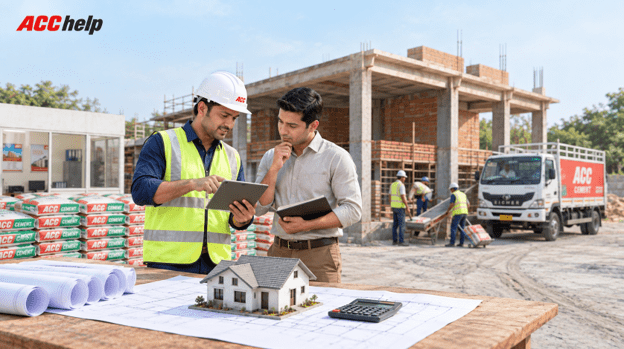
At ACC, we understand that a well-planned construction budget helps homeowners approach their projects with greater clarity. Our construction-planning resources are designed to support homeowners as they explore construction costs, material choices, and the requirements of building a home.
You can use a construction cost calculator to create an early budget, review the major expense categories, and understand how changes in your project may affect the estimated cost. For cement planning, consider the product requirements for each stage of construction, and use current local rates when preparing your material estimate.
When selecting cement, review the relevant product information and consult your construction professional to determine the appropriate product and quantity for your project. Careful planning can help you manage purchases and make better-informed decisions throughout the construction process.
Conclusion
A construction cost calculator can give homeowners a useful starting point for planning cement and material expenses before construction begins. By entering accurate project details, reviewing the major material categories, and checking current local rates, you can build a clearer working budget.
Use the estimate alongside your project requirements, detailed quotations, and professional advice before finalizing purchases. With careful planning, you can approach your home's construction with a better understanding of where your material budget may go.
Frequently Asked Questions
Q1. How do I use a construction cost calculator accurately?
Enter the correct built-up area, location, number of floors, and construction quality. Use realistic local material rates, check the tool's inclusions and exclusions, and compare the estimate with a detailed quotation from your contractor or engineer.
Q2. What materials should I include when estimating construction expenses?
Consider cement, sand, aggregates, steel, bricks or blocks, flooring, doors, windows, plumbing, electrical materials, and finishing products. The exact list depends on your home's design and construction requirements.
Q3. How can I plan my cement budget before construction starts?
Start with the cement quantity specified by your engineer or contractor. Check the current local price for the selected ACC cement product, and account for transportation, taxes, and other applicable purchasing costs.
Q4. Why does the cost of cement vary between locations?
Cement prices may differ because of transportation, regional logistics, dealer pricing, demand, and market conditions. Check local rates before finalizing your purchase budget.
Q5. Can ACC construction-planning resources replace a contractor's quotation?
No. Our resources can help you begin planning, but a detailed project quotation should account for your specific design, material quantities, labor, site conditions, and other applicable expenses.