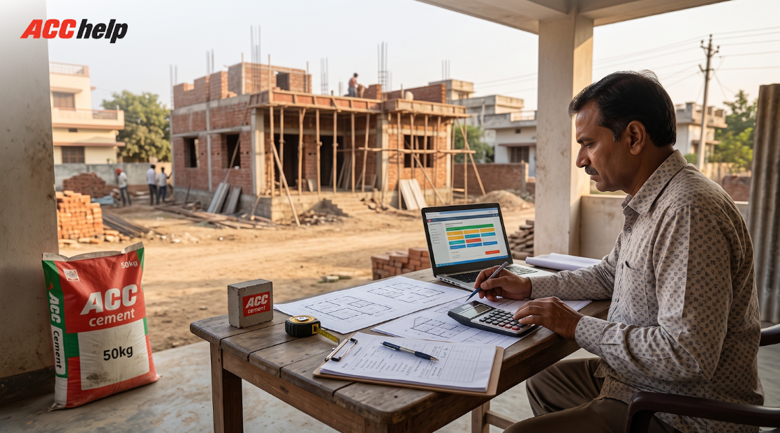

House Building Cost Calculator: What Should You Check Before Planning Your Budget?

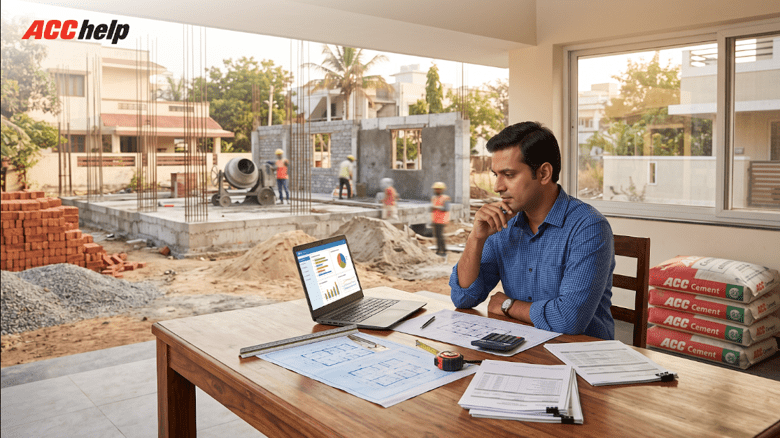
Table of Content
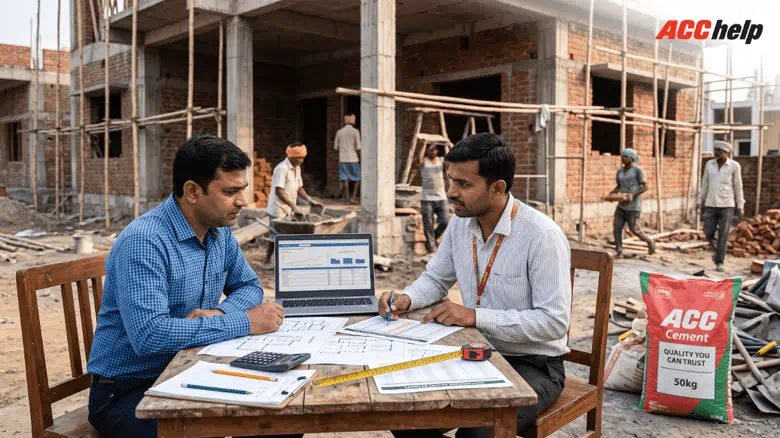
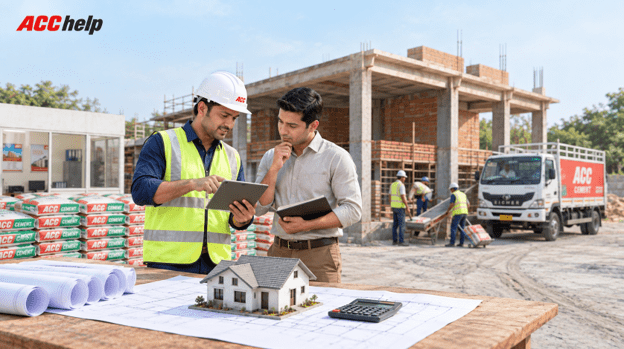
Planning a new home can feel exciting until the numbers start adding up. Before choosing the layout, finishes, or construction materials, it helps to know what the budget can realistically support. An early estimate can guide decisions about house size, major expenses, and material choices. ACC Cement provides a house building cost calculator that can help homeowners get a useful starting estimate for planning their construction budget.
Why Should You Plan Your House Budget Before Construction?
A realistic budget helps you understand:
- The size of house you can realistically build
- Major construction expenses
- Material and finishing choices
- Labour requirements
- Additional project expenses
Using a house building cost calculator at this stage can turn a broad idea into an early cost estimate. It is a planning tool, not a final quotation.
What Is a House Building Cost Calculator?
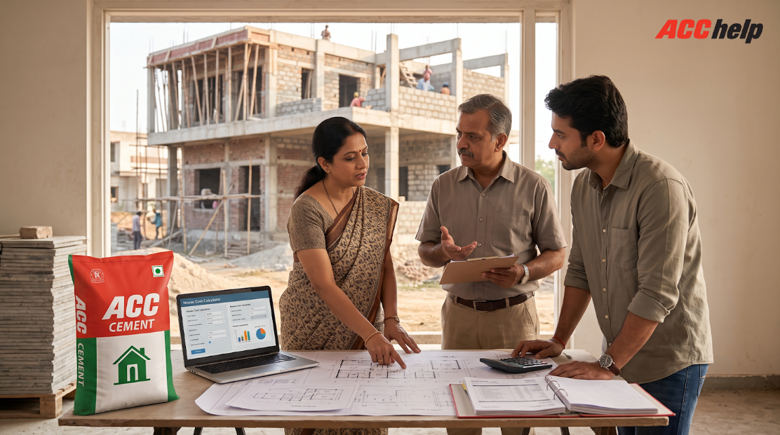
A house building cost calculator is an online tool that uses basic project details to provide an estimated construction cost. ACC Cement provides a cost calculator that can help homeowners get an early understanding of the budget required for a home construction project.
The estimate can be influenced by factors such as the area, location, type of residential construction, material requirements, and labour costs. Built-up area, number of floors, construction quality, and material choices can also affect the overall estimate. The result should be treated as an early planning figure rather than a final project quotation.
What Should You Check Before Using a Cost Calculator?
Before entering details, gather the information needed for a useful estimate.
- Built-up area: Use the planned built-up area. A change in size can affect material and labour requirements.
- Location: Labour, material availability, transportation, and local market conditions can vary by location.
- Number of floors: Additional floors can change structural, material, labour, and service requirements.
- Construction quality: Decide on the construction and finishing level you realistically plan to use.
- Design and layout: A simple layout and a more complex design can require different amounts of work and materials.
Accurate inputs make the estimate more useful.
What Costs Should You Consider in Your House Budget?
Consider:
- Cement
- Steel
- Bricks or blocks
- Sand and aggregates
- Labour
- Flooring
- Electrical work
- Plumbing
- Doors and windows
- Painting and finishing
Actual costs depend on location, design, quantities, construction method, and material choices.
How Does Material Quality Affect the Budget?
Material selection affects the budget. Cement, steel, flooring, fittings, doors, windows, and finishes can have different price points. Choose materials according to the construction requirement and professional advice.
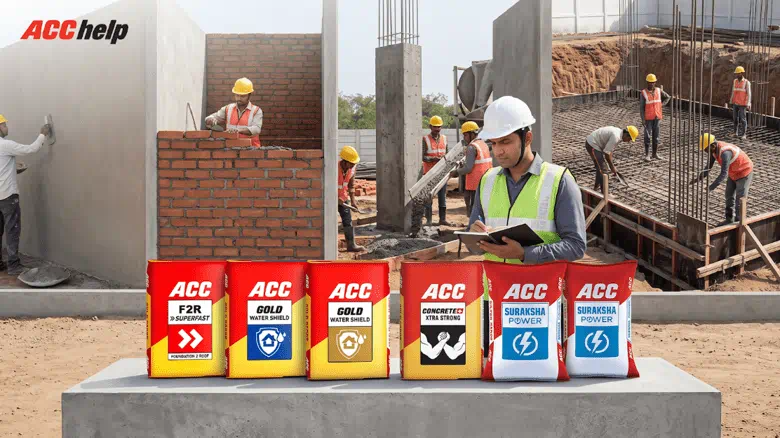
For example, premium cement may be considered when a project requires a particular product or performance characteristic. A higher-priced product is not automatically necessary for every house or every stage of construction.
How Should You Account for Premium Cement in Your Budget?
If you choose premium cement for a specific requirement, include that choice when estimating your material budget. The final expense depends on product type, quantity, local pricing, supplier, and project specifications.
Check current local pricing when you are ready to purchase.
What Costs May Not Be Included in a Basic Estimate?
A calculator may not cover every property-related expense. You may also need to account for:
- Land purchase
- Architect or design fees
- Government approvals
- Interior design
- Furniture
- Landscaping
- External development
- Site-specific work
Check what is included before treating an estimate as the complete budget. ACC Cement provides construction-planning resources covering areas such as budgeting, material selection, and other considerations involved in planning a home construction project.
How Accurate Is a House Building Cost Calculator?
A house building cost calculator is most useful during early planning. It can show the likely scale of your budget, but it cannot guarantee the final construction cost.
Actual expenses can change because of material prices, labour rates, design changes, site conditions, finishes, quantities, or unexpected work. Review the estimate as the project develops.
How to Use the Calculator More Accurately
Use a simple process:
- Enter the correct built-up area.
- Select the correct location.
- Choose a realistic construction level.
- Consider the material quality you actually plan to use.
- Review the estimated total.
- Check which expenses may not be included.
- Compare the estimate with a detailed project quotation.
- Update it if your design or material choices change.
Plan Your Budget With ACC
ACC Cement recognises that a clear budget is an important first step in planning a home. The construction cost calculator provides homeowners with an early estimate to help understand potential construction expenses before finalising the project.
Use the house building cost calculator as a starting point, then review the estimate alongside project requirements, current local rates, and professional advice before finalising the construction budget.
Plan Your Budget With Confidence
Planning early can make decisions around house size, materials, labour, and finishes easier. A house building cost calculator provides a useful starting estimate, while the final budget should consider current local costs, project requirements, and professional advice. ACC Cement provides resources to help homeowners plan their construction budget with greater clarity.
Frequently Asked Questions
Q1. What is the best home building cost calculator for India?
ACC Cement provides a construction cost calculator that helps homeowners get an early estimate based on key project details. The estimate can serve as a starting point for planning material and labour expenses.
Q2. How does a house building cost calculator work?
The calculator uses details such as area, location, and residential construction type to provide an estimated construction cost. The result can support early budget planning before a detailed project quotation is prepared.
Q3. What information do I need before using a construction cost calculator?
Basic details such as built-up area, location, number of floors, construction type, and expected quality level can help provide a more relevant estimate.
Q4. What factors can change the cost of building a house?
Material prices, labour rates, house size, design complexity, location, transportation, finishing choices, and site conditions can affect the final construction cost. Material selections, including premium cement, can also influence the overall material budget.
Q5. Does a house building cost calculator give the final construction cost?
No. A calculator provides an estimate for planning. The final cost may change based on design details, quantities, material selections, local prices, labour requirements, and site conditions. A detailed project quotation should be reviewed before construction begins.