
Buying Cement in Bulk? What Homeowners Should Know Before Placing an Order

Table of Content
Cement is one of the biggest expenses in any construction project. Even if it’s for building a new home or renovating an existing one, purchasing cement in bulk can help homeowners manage expenses and avoid frequent orders. However, bulk buying needs proper planning, the right suppliers, and timely purchases. Understanding the cement wholesale rate, storage requirements, and delivery arrangements can help you save money while maintaining construction quality.
Why Cement Costs Matter in Home Construction
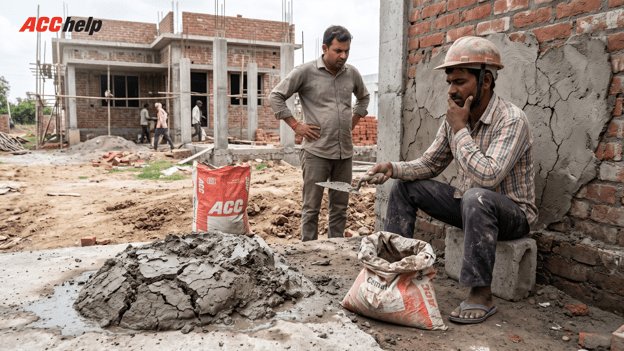
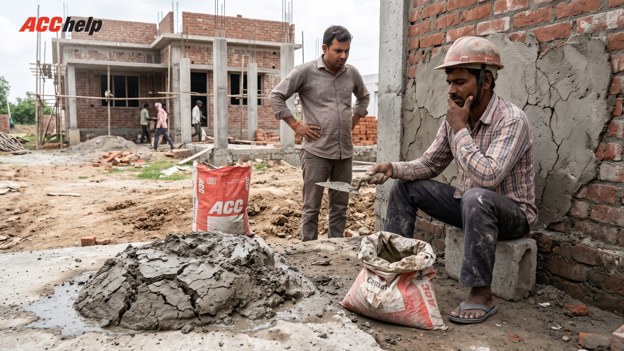
Cement is an essential construction material used in foundations, concrete, plastering, and masonry work. Its quality and quantity directly influence the strength, durability, and overall cost of a building. When purchased in smaller quantities, cement may cost more per bag because of transportation expenses and retail margins.
Bulk purchases can offer better rates, simplify deliveries, and help maintain a consistent supply throughout the project. However, finding a competitive cement wholesale rate is not the only consideration. Homeowners must also account for storage, transportation, and the amount required at each construction stage.
1. Plan Your Purchase Based on Construction Stages
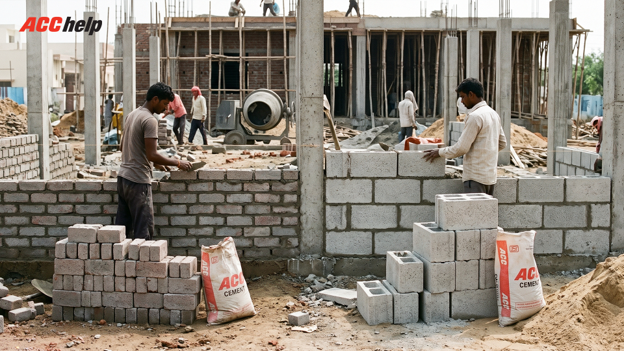
Before placing a bulk order, prepare a construction schedule and estimate how much cement will be required for each stage. Foundations, slab casting, masonry, plastering, and finishing work have different material requirements. Planning purchases according to these stages helps prevent overstocking and unnecessary expenses.
Keep these points in mind:
- Ask your contractor or engineer to estimate cement requirements for each stage.
- Plan deliveries according to the construction schedule.
- Avoid ordering more cement than the site can accommodate.
- Keep some flexibility for changes in material requirements.
Cement generally has a shelf life of around three months when stored properly. Therefore, purchasing in smaller planned batches rather than ordering everything at once can help maintain its quality.
2. Buy from Authorised ACC Cement Dealers
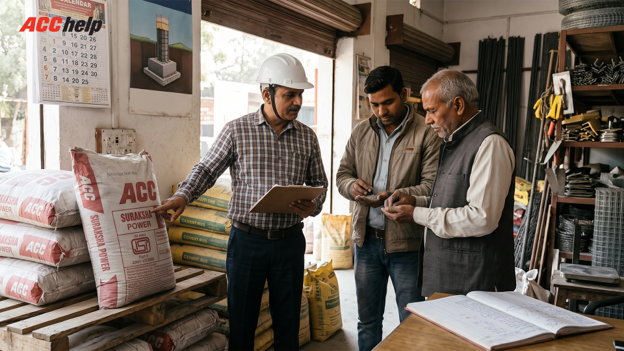
The source of your cement is just as important as its price. Buying from authorised cement dealers helps ensure that the material is genuine and comes in proper packaging. Homeowners should avoid purchasing from unverified sellers offering unusually low prices. Counterfeit or improperly stored cement can affect construction quality and structural durability.
Benefits of buying from authorised dealers include:
- Transparent pricing and proper billing.
- Access to genuine cement products.
- Assistance with bulk delivery arrangements.
- Reliable information about product availability.
- Manufacturer-backed customer support.
You can use the dealer locator on the ACC Cement website to find authorised outlets and discuss bulk purchase requirements.
3. Negotiate Smartly for Bulk Discounts
Bulk purchases often provide opportunities to negotiate better rates. However, homeowners should compare the complete cost rather than focusing only on the price printed in a quotation.
Speak with different cement suppliers and discuss the following:
- Price per bag for different order quantities.
- Discounts available on larger purchases.
- Seasonal and regional offers.
- Transportation and unloading charges.
- Payment terms and available credit facilities.
Sometimes, increasing the order quantity slightly may qualify a purchase for a better discount. However, make sure the additional quantity can be used within a suitable period.
4. Monitor Cement Prices Regularly
The cement price can change depending on raw material costs, transportation expenses, regional demand, and market conditions. Keeping track of local prices helps homeowners decide when to place an order. Demand may increase during active construction periods, while moderate demand in certain months may create opportunities for competitive pricing.
Check quotations regularly and compare the cement wholesale rate offered by different authorised sellers in your area. Avoid making purchasing decisions based entirely on expected price changes, as timely availability is equally important.
5. Optimise Transportation and Storage Costs
Transportation and handling can add considerably to the total cost of a bulk cement purchase. Coordinate with your dealer to arrange direct delivery to the construction site wherever possible. Before the delivery arrives, ensure that the unloading area is accessible and the storage space is ready.
Follow these simple storage practices:
- Keep cement bags at least 6 inches above ground level.
- Maintain a gap of around 2 feet between bags and walls.
- Store bags in a dry, covered area.
- Stack bags securely in a stable arrangement.
- Follow the First In, First Out (FIFO) method to use older stock first.
Proper storage prevents moisture exposure, deterioration, and unnecessary material wastage. It also ensures that the savings from bulk purchasing are not lost because of poor handling.
6. Buy During Off-Peak Seasons
Cement demand changes throughout the year depending on weather conditions, construction activity, and regional requirements. Post-monsoon months and certain late-winter periods may offer competitive prices in some markets because of changes in demand.
Homeowners with flexible construction schedules can check local quotations during these periods. However, seasonal price reductions are not guaranteed. Compare offers from authorised cement dealers and consider delivery availability before making a purchase.
7. Choose the Right Cement for Your Construction Needs
Buying cement in bulk is useful only when the selected product is suitable for the intended application. Different construction activities may require different cement properties. ACC offers products such as Suraksha, F2R Superfast, and Gold Water Shield for different construction requirements. But most importantly, consult your engineer or contractor to understand which product is appropriate for your project.
8. Use a House Construction Cost Calculator
Before placing a bulk order, use a house construction cost calculator to estimate your material requirements and overall expenses. Such calculators can help homeowners understand the approximate cement quantity and cost based on the size and type of construction.
You can explore the calculator available on the ACC Cement website to prepare an initial estimate. Cross-check the results with your contractor or engineer before confirming the final order.
9. Focus on Long-Term Value, Not Just Low Prices
A low purchase price should never come at the expense of construction quality. Cement quality, proper storage and correct application all contribute to a building's long-term performance. Choosing quality cement can support durable construction and help reduce the risk of problems associated with unsuitable or deteriorated materials. Consider the overall value of the purchase rather than comparing products only on their per-bag cost.
The Takeaway
Buying cement in bulk can help homeowners manage construction expenses, but the benefits depend on proper planning. Estimating requirements, comparing quotations, choosing authorised sellers and arranging suitable storage are all important before placing an order.
With ACC Cement, homeowners can explore quality cement products and an established dealer network to support their construction requirements. Plan purchases around your construction schedule, compare local rates and prioritise quality to make your home-building journey more cost-efficient and reliable.
Frequently Asked Questions
Q1. What are the benefits of buying ACC Cement in bulk for home construction?
Buying ACC Cement in bulk can help homeowners negotiate better rates, reduce repeated transportation expenses, and maintain a consistent supply. Proper quantity planning and storage also help minimise wastage and keep construction activities running smoothly.
Q2. How can homeowners find the best cement wholesale rate for ACC Cement?
Homeowners can compare quotations from authorised ACC Cement dealers, check quantity-based discounts, and enquire about seasonal offers. Comparing transportation, unloading, and payment charges also helps determine the actual cost of a bulk purchase.
Q3. How should ACC Cement bags be stored after a bulk purchase?
Store ACC Cement bags in a dry, covered area on raised platforms, keeping them away from walls and moisture. Follow the First In, First Out method and use older stock first to maintain cement quality.
Q4. When is the best time to buy ACC Cement in bulk?
Post-monsoon and late-winter periods may offer competitive cement prices in some regions. However, homeowners should compare local ACC Cement rates, check product availability, and consider their construction schedule before deciding when to place bulk orders.
Q5. How can homeowners estimate their ACC Cement requirements before ordering?
Homeowners can use the house construction cost calculator on the ACC Cement website for an initial estimate. The final cement quantity should be verified by a contractor or structural engineer based on the building design and construction requirements.