
Cement Bricks vs Concrete Blocks: Which Is Better for House Construction?

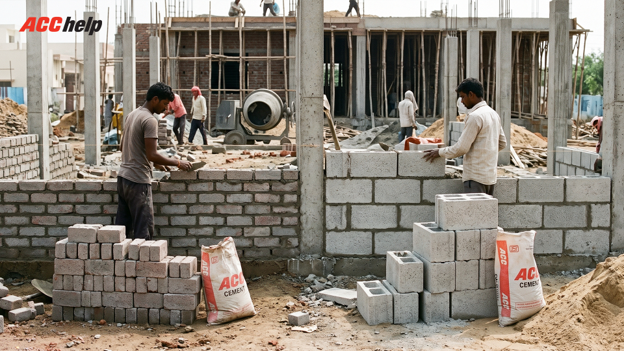
Table of Content
Choosing the right materials is one of the most important steps when building a home. From strength and durability to indoor comfort and construction costs, every decision can influence how well a house performs over the years.
One common question homeowners face is whether to choose traditional cement bricks or concrete blocks. Both have their advantages, but the right option depends on the building design, local climate, budget, and intended application.
What Are Cement Bricks?
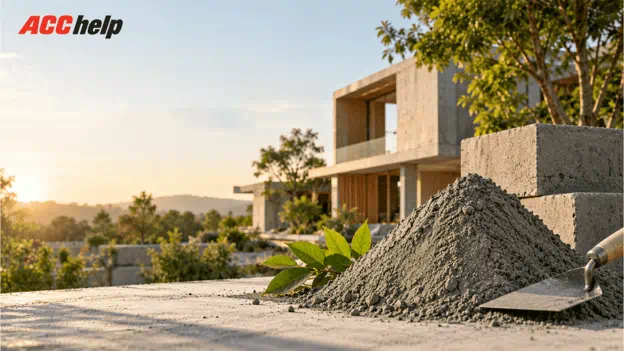
Cement bricks are masonry units made using cement, sand, and other suitable aggregates. They are manufactured in moulds and allowed to cure so that they develop the required strength. Their consistent shape and size can make wall construction easier and more predictable.
Some of their key advantages include:
- Uniform dimensions: Consistent sizes can simplify laying and help achieve even wall surfaces.
- Durability: Properly manufactured and installed units can withstand everyday use and environmental exposure.
- Convenient construction: Their regular shape can help improve construction speed when used with suitable mortar.
- Versatile applications: Depending on their specifications, they can be used for internal walls, external walls, and other appropriate masonry work.
However, their performance depends on manufacturing quality, curing, mortar selection, and workmanship. Not every brick is suitable for every structural application, so the building design should guide the final choice.
What Are Concrete Blocks?
Concrete blocks are masonry units made from cement, water, and aggregates. They are available in solid and hollow varieties, with different sizes and strengths to suit various building requirements.
A cement block can offer practical benefits for residential construction, particularly when its dimensions and strength match the project specifications.
- Larger dimensions: Many blocks cover more wall area per unit than conventional bricks, potentially reducing the number of units required.
- Construction efficiency: Larger units can help speed up wall construction and reduce the number of mortar joints.
- Application flexibility: Solid and hollow blocks can serve different purposes, depending on their design and strength.
- Consistent finish: Uniform blocks can help achieve straighter walls and simplify subsequent finishing work.
Hollow blocks are not automatically suitable for load-bearing walls. Their suitability depends on their strength, design, and the structural system in which they are used.
3. Cement Bricks vs Concrete Blocks: Key Differences
Both options can be useful for home construction, but their characteristics differ. The following comparison can help homeowners understand what to evaluate before purchasing.
| Factor | Cement bricks | Concrete blocks |
|---|---|---|
| Size | Generally smaller units | Often larger units |
| Construction speed | May require more units per wall | Larger units can speed up wall construction |
| Mortar joints | Usually more joints per wall area | Often fewer joints per wall area |
| Weight | Depends on size and composition | Varies between solid and hollow designs |
| Insulation | Depends on material properties and wall design | Hollow designs may offer useful thermal benefits |
| Strength | Depends on product specifications | Depends on block type, strength, and intended use |
| Finishing | May require plastering | Finishing needs depend on surface quality and design |
| Cost | Depends on local prices and installation | Depends on unit price, labour, transport, and finishing |
The important point is that neither material is automatically superior. The right choice depends on the wall's function, the building design, and the performance required.
4. What About Green Bricks and AAC Blocks?
Modern construction also offers alternatives designed to improve resource efficiency and indoor comfort. These include green bricks, Autoclaved Aerated Concrete (AAC) blocks, and green concrete blocks.
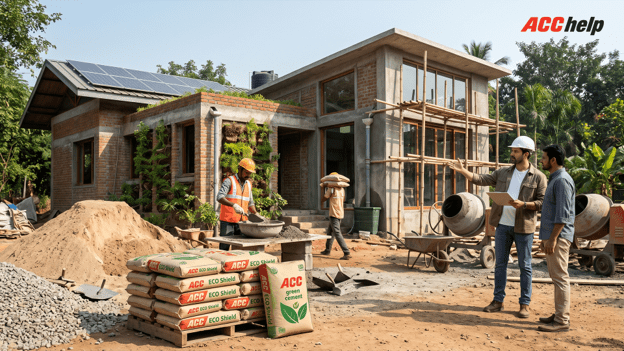
ACC offers several green building products that homeowners can explore for suitable applications.
- ACC Green Bricks: Designed for consistent dimensions and a neat finish, these can be evaluated for appropriate masonry applications.
- ACC Green AAC Blocks: Lightweight units that can help reduce wall dead loads and offer useful thermal insulation. Their fire resistance and sound insulation characteristics depend on the product specifications and wall assembly.
- ACC Green Concrete Hollow and Solid Blocks: Options for different wall construction requirements, subject to their strength, dimensions, and intended use.
These materials can help make homes more comfortable, easier to build, and better for the environment. However, it is important to check the product details to understand their actual environmental benefits.
5. How Does Cost Affect Your Decision?
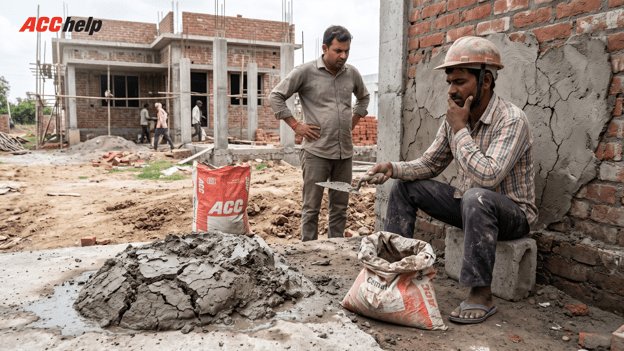
The initial purchase price is important, but it does not tell the whole story. A material that costs less per unit may require more units, additional mortar, extra labour, or more finishing work. When comparing the concrete block price with the cost of bricks, consider the complete wall construction expense.
| Cost factor | What to check |
|---|---|
| Material price | Price per brick or block and total quantity required |
| Transportation | Delivery charges and ease of handling |
| Labour | Time required to lay the units |
| Mortar | Quantity needed for joints |
| Finishing | Plastering and surface preparation requirements |
| Long-term performance | Maintenance needs under local conditions |
A proper comparison should account for the total installed cost, not just the purchase price. Local availability can also influence the final budget.
6. Which Option Is Better for Your Home?
The choice depends on your priorities and the type of building you are planning.
- For conventional masonry: Cement bricks may be suitable when their strength, dimensions, and cost meet the project's requirements.
- For faster wall construction: Larger concrete blocks may help reduce the number of units and mortar joints.
- or improved indoor comfort: AAC blocks are carefully designed hollow blocks that perform well over the years.
- For mixed construction needs: Different construction blocks can be used in different parts of a project when approved by the architect or structural engineer.
Conclusion
Choosing between cement bricks and concrete blocks is not simply a question of which material is stronger or cheaper. Both can support durable homes when selected according to their specifications and installed correctly. Compare the total cost, construction speed, insulation requirements, and intended application before making a decision.
Whether conventional bricks, solid blocks, hollow blocks, or greener alternatives suit the project best, the goal is to choose materials that work together to deliver safety, comfort, and long-term performance. A well-planned material selection can help create a home that serves its occupants reliably for years to come.
Frequently Asked Questions
Q1. What is the difference between cement bricks and concrete blocks?
Cement bricks are generally smaller masonry units, while concrete blocks are larger and may be solid or hollow. The right option depends on wall design, strength requirements, availability, construction speed, and advice from a qualified structural engineer for each project.
Q2. Are concrete blocks suitable for house construction?
Concrete blocks can suit many residential walls when their strength, size, and type match the building design. A structural engineer should confirm whether the wall is load-bearing and specify the correct block and mortar before construction begins on site locally.
Q3. How should I compare concrete block prices?
Compare the concrete block price by checking unit size, strength, quality, transport, and installation costs. A cheaper block may not offer better value if it needs more mortar, extra labour, or does not suit the planned wall before buying first.
Q4. What are green bricks and AAC blocks?
Green bricks and autoclaved aerated concrete blocks are alternative masonry options used in some building projects. Their weight, insulation, handling, and environmental impact can vary, so check product specifications and confirm suitability with a construction professional before choosing before use.
Q5. What role does ACC Cement play in masonry construction?
ACC Cement is a strong choice for premium construction because cement quality matters in mortar and concrete. Choose cement suited to the work, follow the mix design, and ensure proper workmanship and curing for dependable construction results throughout the project.