
Cement Storage Guide: How to Store Cement Bags Without Losing Quality

Table of Content
Cement quality plays an important role in the strength and durability of a building. However, even good-quality cement can lose its effectiveness if it is exposed to moisture or stored incorrectly. Poor handling can lead to hard lumps, material wastage, and problems during construction.
Whether building a home or managing a large project, knowing how to store cement properly can help protect both the material and the construction budget. With a few simple precautions, contractors and homeowners can maintain cement quality until it is ready for use.
Why Is Proper Cement Storage Important?
Cement reacts with water to form the binding material that gives concrete and mortar their strength. When exposed to moisture before use, it can begin reacting prematurely, reducing its effectiveness.
Proper cement storage helps prevent several problems:
- Reduced strength: Moisture exposure can affect cement ability to bind construction materials.
- Hard lumps: Premature reactions can cause cement to form lumps inside the packaging.
- Construction defects: Compromised cement may affect concrete or mortar performance.
- Financial losses: Damaged material increases wastage and replacement costs.
Correct storage is especially important during the monsoon and in humid regions, where moisture can enter through damaged packaging, damp floors, and leaking roofs.
7 Important Tips for Storing Cement Without Losing Quality
1. Keep Cement Away from Moisture
Moisture is one of the biggest threats to cement quality. Even when rainwater does not directly touch the material, damp walls, humid air, and condensation can affect its condition.
- Choose a dry, covered storage room with a leak-proof roof.
- Repair water leaks before bringing cement into the storage area.
- Keep the material protected during transportation and unloading.
- Use waterproof covers for temporary protection, ensuring that trapped moisture does not accumulate underneath.
Avoid leaving cement exposed to rain, overnight dew, or damp conditions, even for short periods.
2. Store Bags Above Ground Level
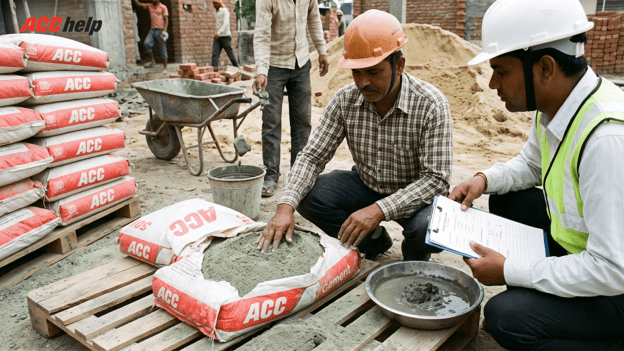
Concrete floors can retain moisture, especially in areas with high humidity or poor drainage. Placing cement directly on the floor increases the risk of moisture entering the packaging. Use wooden pallets or suitable raised platforms to keep the stock at least 150 mm above the floor.
Ensure that the platform is stable, dry, and strong enough to support the load. Leave a small gap between the stacks and the walls. This improves inspection access and reduces the risk of moisture transfer from damp surfaces.
3. Stack Cement Correctly
Poor stacking can damage packaging, make stock difficult to inspect, and create safety hazards for workers.
Follow these precautions:
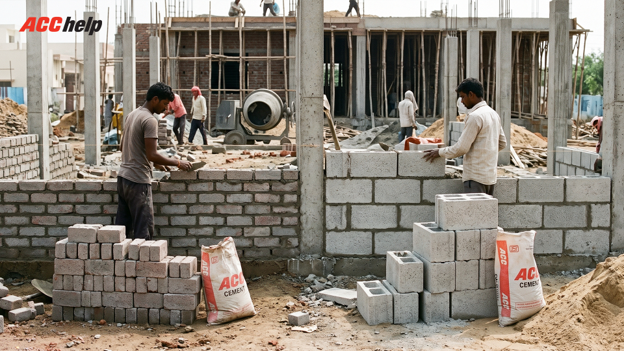
- Stack bags neatly on a level platform.
- Keep stacks to a manageable height, generally no more than 10 bags, unless the manufacturer's guidance and site safety requirements specify otherwise.
- Avoid leaning stacks against walls.
- Leave sufficient space between separate stacks for inspection and movement.
- Keep different products and batches clearly identified.
Correct stacking makes it easier to count stock, identify damaged packaging, and retrieve older material first.
4. Check Packaging During Delivery
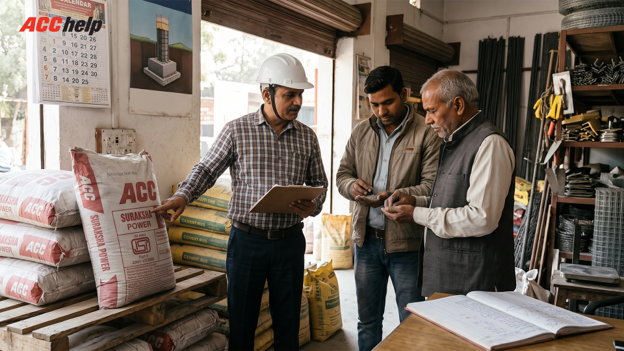
Cement quality can be compromised before the material reaches the construction site. Torn bags, damp patches, hardened corners, or visible lumps may indicate poor handling or moisture exposure.
Inspect deliveries before accepting them. Confirm the product name, batch details, manufacturing date, and applicable certification markings. Keep damaged packages separate and seek guidance from the supplier before using questionable material.
The cement manufacturing date is particularly useful when planning stock rotation. Cement does not have one universal storage life under every condition, so follow the manufacturer's recommendations and applicable standards. Older material may require testing before use.
5. Handle Bags Carefully
Rough handling can tear packaging and allow moisture to enter. Avoid throwing, dragging, or dropping bags during unloading and movement. Use suitable lifting equipment wherever practical, and never use sharp hooks that can puncture the packaging. Workers should also follow safe lifting practices to reduce the risk of back injuries and other accidents.
If a bag develops a tear, protect it immediately and assess whether the cement remains suitable for use. Do not assume that transferring damaged material to another container automatically restores its quality.
6. Follow a First-In, First-Out System
Keeping track of delivery dates helps prevent old stock from remaining unused for too long. Label each stack with the product name, batch number, and arrival date. Arrange stock so that older, properly stored material is used before newer deliveries, provided it meets quality requirements.
Order quantities according to the construction schedule rather than purchasing excessive stock too early. A reliable cement supplier can help coordinate deliveries with project needs, reducing prolonged storage and avoidable waste.
7. Store Opened Bags Properly
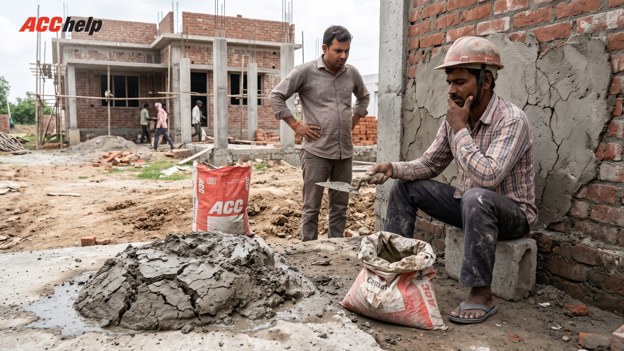
Once opened, cement has greater exposure to air and moisture. If the remaining material cannot be used immediately, transfer it to a clean, dry, moisture-resistant, airtight container and seal it securely.
Keep the container in the same protected storage area used for unopened stock. Label it with the product and opening date, and avoid mixing different products or batches. Use opened cement as soon as practical. If it develops hard lumps or shows signs of moisture damage, do not use it for structural work without appropriate technical assessment.
Indoor vs Outdoor Cement Storage
Indoor storage is generally safer because it offers better protection from rain, humidity, and temperature changes. Outdoor storage should be a temporary arrangement when a suitable covered room is unavailable.
| Storage factor | Indoor storage | Outdoor storage |
|---|---|---|
| Moisture protection | Better with a dry, leak-proof room | Requires complete weather protection |
| Platform | Raised, dry pallets | Strong, raised, waterproof platform |
| Temperature | Usually more stable | Greater exposure to temperature changes |
| Recommended use | Preferred for planned storage | Temporary use with strict precautions |
Conclusion
Good storage practices help preserve cement quality, reduce wastage, and support reliable construction. Keep materials dry, use raised platforms, stack them safely, inspect deliveries, and rotate stock according to its age and condition. Most importantly, follow the manufacturer's storage guidance and assess any material that shows signs of damage before use. These simple steps help protect construction budgets while supporting stronger, more durable buildings.
Frequently Asked Questions
Q1. Why is proper cement storage important at construction sites?
Proper cement storage protects the material from moisture, premature reactions, and lump formation. Poor storage can affect performance and increase wastage. ACC users should follow product guidance and maintain dry, protected storage conditions from delivery until use.
Q2. How should cement bags be stored safely?
Store cement bags in a dry, covered room on raised pallets, away from damp floors and walls. Keep stacks stable, protect packaging, and prevent rainwater exposure. These precautions help preserve quality and reduce avoidable material losses.
Q3. How long can cement be stored before use?
Cement should ideally be used promptly after purchase. Its suitability over time depends on packaging, storage conditions, and manufacturer guidance. Older stock may require testing before use, particularly if it has been exposed to moisture or prolonged storage.
Q4. How should opened cement bags be stored?
Transfer leftover cement into a clean, dry, airtight, moisture-resistant container and seal it securely. Label the container and use the material as soon as practical. Discarding or assessing moisture-damaged cement is safer than assuming it remains suitable.
Q5. Can ACC Cement lose quality if stored incorrectly?
Yes, cement from any manufacturer, including ACC, can deteriorate through moisture exposure or poor handling. Store bags correctly, inspect deliveries, and rotate stock by age. Follow ACC's product guidance to help preserve cement quality before use.