
From Cement Plant To Construction Site: All About Ready Mix Concrete

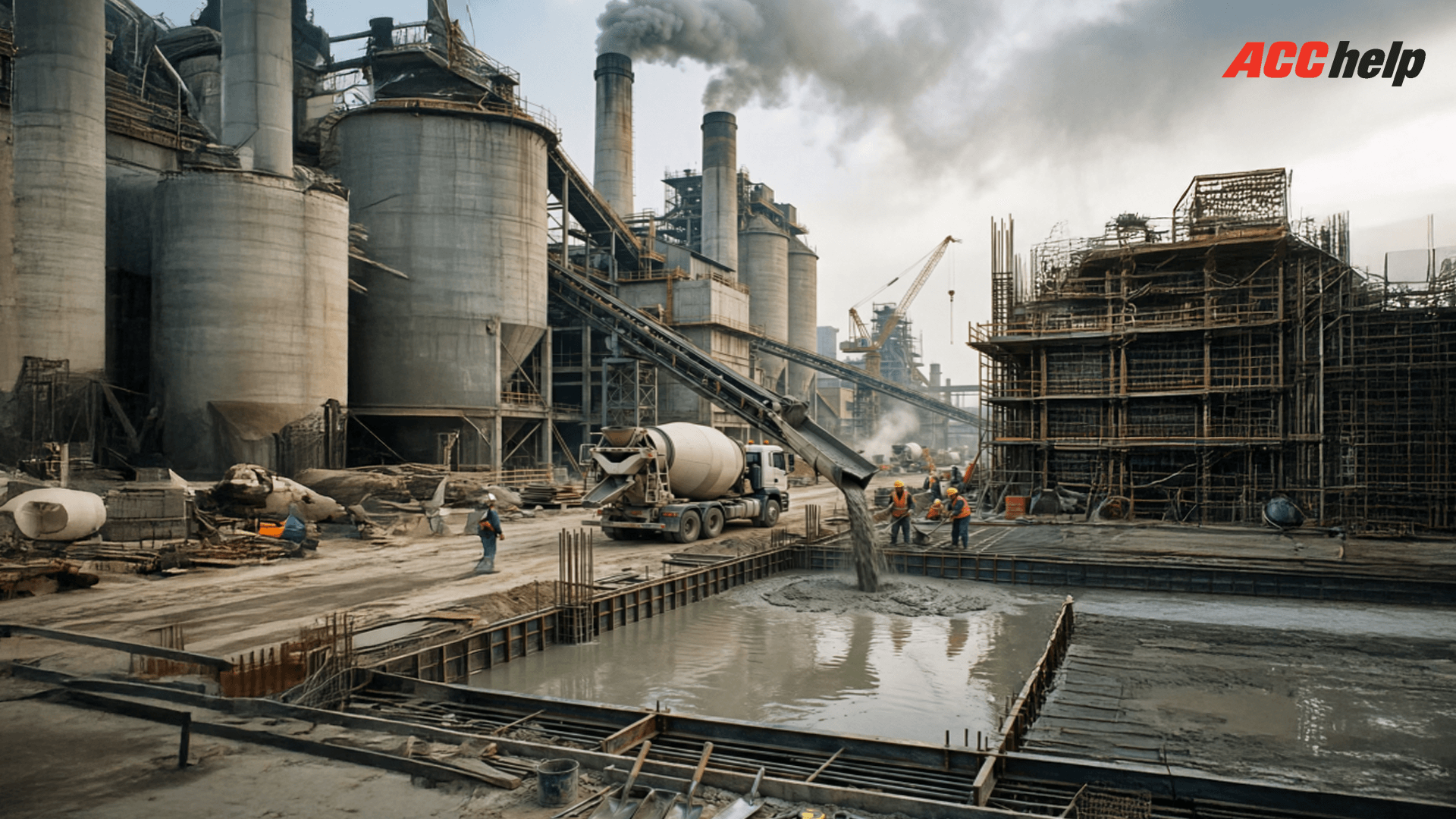
Table of Content
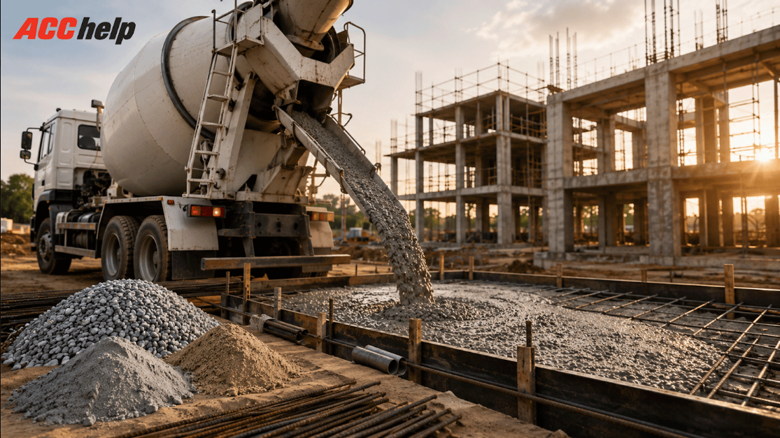
When you see concrete being poured at a construction site, it often looks simple. A mixer arrives, concrete flows out, and work moves ahead quickly. But behind that smooth process is a carefully planned journey that starts much earlier, at the cement plant. Ready mix concrete is the result of precise engineering, controlled production, and thoughtful logistics, all designed to make construction faster, stronger, and more reliable.
Ready mix concrete as more than just a building material. It is a system that connects our cement plants, batching facilities, and construction sites into one seamless chain. Understanding this journey helps you appreciate why ready mix concrete has become such an important part of modern homebuilding and infrastructure development.
What Is Ready Mix Concrete?
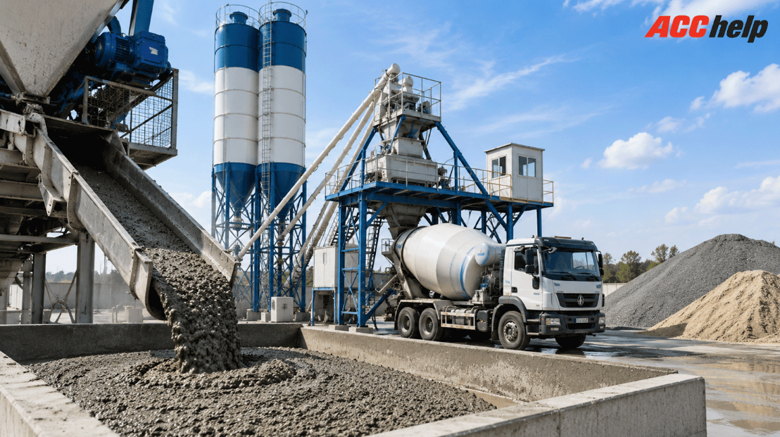
Ready mix concrete is concrete that is manufactured at a batching plant under controlled conditions and delivered to the site in a freshly mixed state. Instead of mixing cement, sand, aggregates, and water manually at the site, everything is proportioned and mixed using automated systems.
This approach removes guesswork from construction. Each batch is produced using a tested mix design to give consistent strength, workability, and durability. It also reduces material wastage, saves labour time, and improves overall site efficiency.
This means better quality control and fewer surprises during construction.
How the Journey Begins at the Cement Plant
The journey of ready mix concrete starts with cement production. At our cement plants, raw materials are processed, blended, and tested to meet strict quality standards. This cement then becomes the backbone of various ready mix concrete formulations.
Once cement reaches our ready mix concrete plants, it is combined with aggregates, water, and performance-enhancing additives. The exact proportions depend on the application and the type of ready mix concrete.
Every step is monitored, from raw material selection to final batching so that the concrete performs exactly as intended at the construction site.
From Batching Plant to Construction Site
After batching, the concrete is loaded into transit mixers. These mixers continuously rotate to keep the concrete workable during transportation. Timing plays a critical role here. Concrete must reach the site within a specific time window to maintain its properties.
Our logistics planning makes sure that concrete arrives when the site is ready, reducing delays and avoiding rework. This coordination between plant and site is one of the biggest advantages of ready mix concrete over on-site mixing.
Why Different Ready Mix Concrete Types Are Needed
Not every part of a building behaves the same way. Floors, columns, pavements, and walls all face different loads, stresses, and environmental conditions. That is why ready mix concrete is designed in multiple variants, each serving a specific purpose.
Let’s look at how different types of ready mix concrete support different construction needs.
Concrete for Smooth Flow and Faster Casting
In areas with dense reinforcement or complex formwork, placing concrete can be challenging. For such situations, highly flowable and self-compacting concrete is used. The ACC Flowcrete mix moves easily into place, reduces the need for vibration, and delivers smooth surface finishes.
It helps speed up casting, lower labour effort, and reduce the risk of defects like honeycombing. This makes it ideal for slabs, walls, columns, beams, and foundations where quality and efficiency matter.
Concrete for Sustainable Construction
Sustainability is becoming a key focus in construction. ACC ECOMaxX mixes are designed to reduce environmental impact by lowering carbon emissions and controlling heat generation during hydration.
These mixes help minimise thermal cracking, especially in large pours, and improve long-term durability. They are suitable for green buildings, mass concrete applications, and structures exposed to aggressive environments like coastal areas.
Decorative and Pavement Concrete
Concrete is no longer limited to structural elements. Outdoor areas like pavements, walkways, and landscapes also demand strength along with visual appeal.
Decorative concrete mix such as our ACC Imprintcrete is designed to offer a wide range of textures, patterns, and finishes. It is durable, impact-resistant, and easy to maintain, making it suitable for areas that experience regular foot traffic and weather exposure.
ACC Imprintcrete allows designers and homeowners to create attractive outdoor spaces without compromising on performance.
High-Performance Concrete for Heavy Loads
For high-rise buildings, bridges, and heavy-duty structures, standard concrete may not be sufficient. ACC Ultivacrete is a high-performance concrete mix engineered to deliver very high strength, excellent durability, and long service life.
This mix allows for slimmer structural elements while maintaining safety and load-bearing capacity. It can improve usable space and structural efficiency, especially in vertical construction.
Such mixes are essential where performance requirements are demanding and long-term reliability is critical.
Lightweight Concrete for Reduced Dead Load
Not all construction applications need heavy concrete. Lightweight concrete mixes, such as ACC Feathercrete are designed to reduce structural dead load while offering thermal and sound insulation benefits.
They are commonly used for screeds, levelling courses, filler applications, and partition walls. By reducing weight, they ease the load on foundations and improve overall building efficiency.
They also contribute to better indoor comfort by helping regulate temperature and sound.
Concrete That Manages Heat and Cracking
Temperature control is crucial in concrete construction, especially in hot climates or mass pours. Certain concrete mixes like ACC Coolcrete are designed to reduce heat of hydration, keeping internal temperatures within safe limits.
This helps minimise thermal cracking and improves durability over time. These mixes are ideal for large foundations, thick slabs, and structural elements exposed to high temperatures during construction.
Extended Workability Concrete for Challenging Sites
Some sites require longer handling and placement times due to manual unloading or slow casting conditions. For such scenarios, concrete with extended workability is used.
ACC Column 4 & 6 mix retains flow and slump for several hours without adding water. This ensures proper compaction, better finish, and consistent strength, even when placement takes longer than planned.
Is Ready Mix Concrete Worth It?
For most construction projects today, ready mix concrete offers clear advantages. It delivers consistent quality, saves time, reduces labour dependency, and improves site cleanliness and safety.
While it requires proper planning and coordination, the benefits in strength, durability, and efficiency make ready mix concrete a practical and reliable choice for homebuilding and infrastructure projects.
Final Thoughts
From cement plant to construction site, ready mix concrete represents a more controlled and thoughtful way of building. It combines engineering precision with practical execution, ensuring that every part of your structure gets the right concrete for the job.
FAQ
Q.1 What machinery and technology are used in modern cement plants?
ACC Cements’s modern cement plants use crushers, raw mills, rotary kilns, automated packing systems, and quality testing labs. Advanced automation and digital controls allow us to achieve precise processing, energy efficiency, and consistent cement quality from raw material to finished product.
Q.2 How do cement plants ensure quality control and consistency?
At ACC Cement plants, quality control is maintained through regular raw material testing, automated batching, controlled kiln temperatures, and frequent lab checks. Samples are tested at multiple stages to make sure that the cement meets strength, durability, and performance standards before dispatch.
Q.3 How many cement bags are required for house construction?
The number of cement bags depends on your built-up area, design, and construction method. Exact quantities should be calculated using a construction planner or a qualified engineer’s estimate.
Q.4 How to select the right cement supplier for your construction project?
Choose suppliers who are authorised, reliable, and consistent in delivery. Look for proper storage practices, transparent communication, and technical support. A dependable supplier helps avoid delays, quality issues, and long-term structural risks. You can find authorised suppliers of ACC Cement using the dealer locator tool on our website.
Q.5 Is ready mix concrete better than site-mixed concrete for homes?
Yes, ready mix concrete offers better consistency, controlled quality, and faster construction. It reduces material wastage, labour dependency, and on-site errors, making it a reliable choice for both homes and large construction projects.