
How to Identify Good-Quality Cement Before Buying It

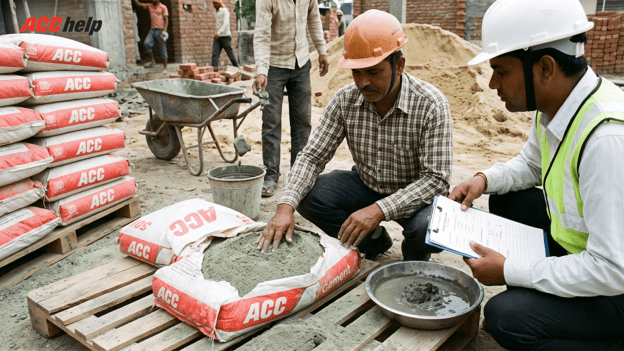
Table of Content
Choosing cement is one of the most important decisions when building a home or managing a construction project. The quality of cement affects how concrete and mortar perform, influencing the strength and durability of the structure. However, judging cement only by its price or packaging can lead to poor decisions.
Before purchasing, it is important to check the product details, manufacturing date, packaging condition, and quality certifications. A few simple checks, along with professional guidance where needed, can help homeowners and contractors choose suitable cement for their construction requirements.
Why Does Cement Quality Matter?
Cement acts as a binding material that holds sand, aggregates, and other construction materials together. If it has deteriorated because of moisture exposure or does not meet the required standards, it can affect the performance of concrete and mortar.
Good-quality cement helps support:
- Strength: It contributes to the required strength of concrete and masonry.
- Durability: Suitable cement and proper construction practices help structures withstand environmental exposure.
- Reliable performance: Consistent quality supports predictable setting and strength development.
- Lower maintenance needs: Correct material selection and workmanship can reduce the risk of avoidable repairs.
When comparing options for the best cement in India, focus on verified quality, application suitability, and compliance with applicable Indian Standards rather than price alone.
7 Ways to Identify Good-Quality Cement Before Buying
1. Check the Manufacturing Date
Cement quality can change during storage, particularly when it is exposed to moisture. Always check the manufacturing or packing date printed on the bag.
- Prefer recently manufactured stock that has been stored correctly.
- Follow the manufacturer's recommendations regarding storage duration and use.
- Seek technical advice or testing if the cement has been stored for an extended period.
Cement is often best used as soon as practical after purchase. However, its suitability depends on storage conditions and test results, not just its age.
2. Inspect the Packaging and Certification
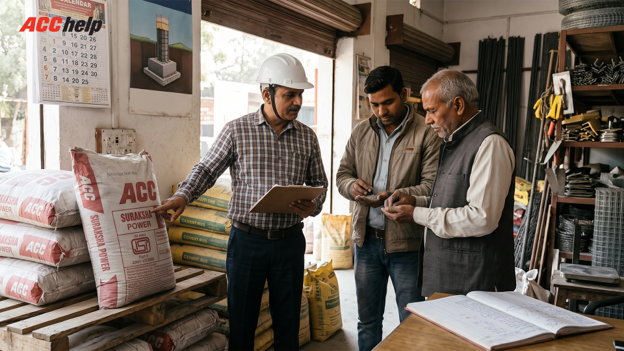
Before purchasing, examine the bag for tears, damp patches, hardened areas, and other signs of damage. Packaging should clearly identify the product and manufacturer.
Check for the applicable BIS Standard Mark and relevant Indian Standard details. Where necessary, verify the certification through official BIS resources.
A recognised cement brand should provide clear product information and traceable quality credentials. However, the brand name alone does not replace checking the condition and specifications of the actual product being purchased.
3. Check the Colour and Texture
A simple visual inspection can help identify obvious quality concerns.
- Cement is generally uniform grey, although the exact shade may vary with its composition.
- The powder should not contain visible hard lumps.
- When rubbed gently between the fingers, it should feel relatively smooth rather than gritty.
Hard lumps may indicate moisture exposure or partial setting. If the material looks unusual, ask the seller for clarification and avoid using questionable stock until its suitability is confirmed.
These checks are useful for identifying visible problems, but they cannot establish the cement strength or prove that it meets every quality requirement.
4. Understand the Cement Type and Grade
Different cement products are designed to meet different construction needs. Choosing the right type is as important as checking its physical condition.
| Cement type | General characteristics | What to consider |
|---|---|---|
| OPC cement | Ordinary Portland Cement is available in different grades and can provide strength development suited to specified applications. | Follow the structural design and engineer's recommendations. |
| PPC cement | Portland Pozzolana Cement contains pozzolanic material and can offer good long-term performance when properly cured. | Consider the application, exposure conditions, and strength requirements. |
Neither type is automatically better for every project. The appropriate choice depends on the specified concrete or mortar, construction schedule, and site conditions.
5. Buy from a Reliable Supplier
Where cement is purchased matters because handling and storage can affect its condition before delivery.
Before placing an order:
- Ask for a proper bill and verify the product details.
- Check that the packaging and batch information are intact.
- Confirm how the cement has been stored.
- Avoid suspiciously low-priced products with unclear origins or missing documentation.
A dependable supplier should be able to provide traceable products and answer basic questions about their specifications. Comparing the quality credentials of each cement brand is more useful than relying only on advertising or recommendations.
6. Know Which Laboratory Tests Confirm Quality
On-site checks can identify visible problems, but laboratory testing is needed to evaluate specific performance characteristics. Common tests include:
- Fineness test: Measures how finely the cement has been ground.
- Setting time test: Checks how quickly the cement paste begins to set and reaches the specified final setting stage.
- Soundness test: Assesses whether the cement maintains acceptable volume stability after setting.
- Compressive strength test: Evaluates strength under specified testing conditions.
- Chemical tests: Check relevant chemical properties against applicable requirements.
These tests are conducted using standardised methods. If a delivery is questionable or a project requires formal quality verification, consult a qualified laboratory rather than relying on informal home tests.
7. Check Storage and Delivery Conditions
Even cement that was manufactured to the correct standards can deteriorate if stored poorly. Before accepting a delivery, confirm that the bags have been protected from rain and dampness.
After delivery:
- Store bags on raised pallets, away from direct floor contact.
- Keep them in a dry, covered area.
- Leave space between stacks and damp walls.
- Use older, suitable stock first.
- Keep damaged or suspicious bags separate for assessment.
These precautions help preserve cement quality between purchase and use.
Conclusion
Identifying good-quality cement starts with a few practical checks: inspect the packaging, review the manufacturing date, confirm the applicable certification, and choose the correct type for the project. When necessary, laboratory testing provides a more reliable assessment than visual inspection alone.
The best cement in India for a particular project is not simply the most expensive or widely advertised option. It is the product that meets the required standards, suits the application, and has been handled and stored correctly. Careful selection today can support stronger, more durable construction over time.
Frequently Asked Questions
Q1. How can I check cement quality before purchasing?
Inspect the packaging, manufacturing date, certification details, and powder condition. Look for moisture damage or hard lumps. These checks can identify visible concerns, but laboratory testing is needed to verify strength and other properties against applicable standards.
Q2. Does the colour of cement determine its quality?
No, colour alone cannot establish cement quality. Cement is generally grey, but its shade may vary with composition. Check the packaging, certification, manufacturing date, and storage condition, and arrange laboratory testing when reliable performance verification is required.
Q3. What is the difference between OPC and PPC cement?
OPC is Ordinary Portland Cement, while PPC is Portland Pozzolana Cement containing pozzolanic material. Their characteristics and suitability differ by application. The correct choice depends on project specifications, exposure conditions, and the engineer's recommendations, not assumptions about superiority.
Q4. Which laboratory tests help verify cement quality?
Common tests include fineness, setting time, soundness, compressive strength, and relevant chemical tests. These use standardised methods to assess performance and compliance. A qualified laboratory can verify whether cement meets the applicable requirements for the intended construction work.
Q5. Why should I check ACC Cement specifications before buying?
ACC offers cement products for different construction needs. Reviewing the relevant product specifications, applicable standards, and intended application helps ensure a suitable choice. Proper storage, handling, mixing, and curing are equally important for achieving reliable construction performance.