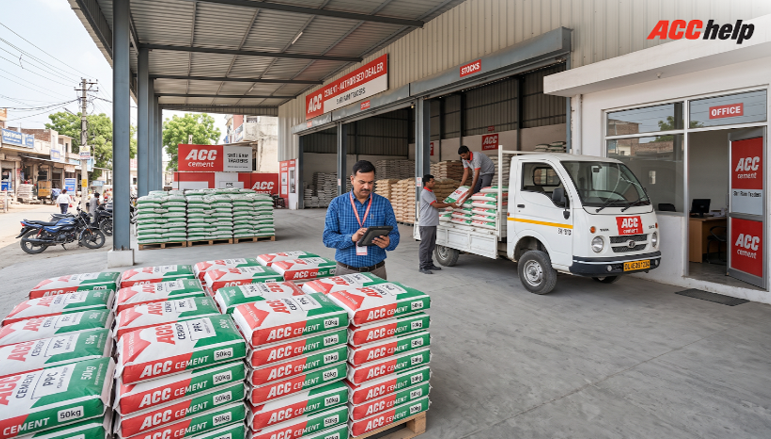

ACC Green Building Centre: What Sustainable Building Materials Can You Explore?

Table of Content
Sustainable construction begins with thoughtful material choices. Whether you are building a new home, renovating an existing property, or planning a larger construction project, the materials you select can influence durability, resource use, maintenance, and long-term performance. Understanding these factors helps you make decisions that support your project's practical needs and environmental goals.
At ACC, we help customers explore construction materials and solutions designed for different building requirements. Our ACC green building centre brings together sustainable building products that can help homeowners, builders, and construction professionals understand their options.
What Is the ACC Green Building Centre?
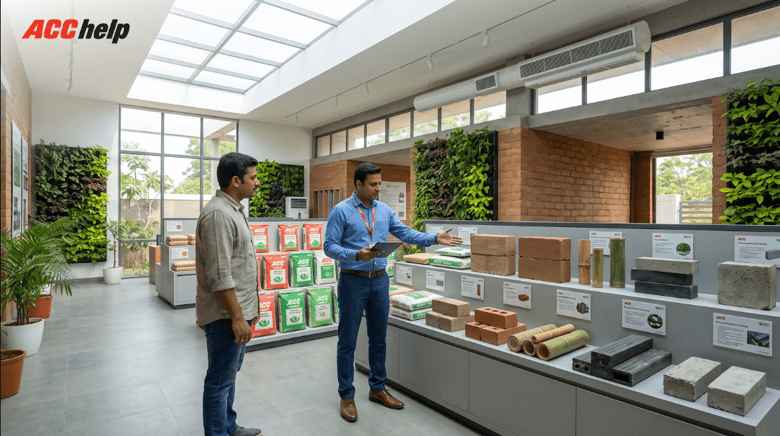
The ACC green building centre is a dedicated range of sustainable construction materials available through ACC Help. It brings together products designed to support different construction needs, including green bricks, concrete blocks, and AAC blocks.
The center helps customers explore building materials with features such as strength, thermal insulation, and construction efficiency. By understanding the intended use of each product, you can make more informed choices for your home or building project.
At ACC, we recognize that every construction project has different requirements. The right material depends on factors such as the type of structure, location, design, and construction method.
Why Are Sustainable Building Materials Important?
Sustainable building materials are developed or selected with consideration for environmental impact, resource use, and the performance of the finished structure. They can contribute to more thoughtful construction when used as part of an appropriate overall building plan.
Choosing sustainable materials involves more than selecting a product labeled eco-friendly. It means understanding how the material performs, how it is used, and whether it suits the specific requirements of your project.
Some important considerations include:
- Resource use: Choosing materials that support efficient use of resources.
- Waste reduction: Planning material quantities and construction methods carefully.
- Durability: Selecting products that can meet the building's long-term performance needs.
- Maintenance: Considering the care and repairs required over time.
- Construction efficiency: Understanding how material properties may affect building work.
- Long-term use: Looking at the building's performance throughout its intended life.
A sustainable material alone does not make an entire building sustainable. Design, construction practices, energy use, water management, and maintenance also play important roles.
What Can You Explore at an ACC Green Building Centre?
Our ACC green building centre features construction products that support different building requirements. These include:
ACC Green Bricks
ACC Green Bricks are cement bricks designed for construction applications. They are described by ACC as high-strength, efflorescence-resistant, and seepage-resistant, with a uniform size and shape.
ACC Green Concrete Hollow and Solid Blocks
These concrete blocks are designed to support construction efficiency. Hollow blocks contain trapped air that can provide thermal insulation, while their size can help reduce the number of individual units required for certain building applications.
ACC Green AAC Blocks
AAC, or autoclaved aerated concrete, blocks are lightweight building materials. ACC offers green AAC blocks for retail and business-to-business construction requirements. Their documented features include fire resistance and sound insulation.
When exploring these products, consider the intended application, the design of your structure, and the advice of your construction professional.
How Do Sustainable Materials Help Homeowners?
For homeowners, material selection is an important part of planning a durable and practical home. Sustainable materials may offer useful features for specific construction requirements, but their suitability depends on how and where they are used.
For example, a lightweight block may support certain construction needs, while a material with thermal insulation properties may be relevant when considering indoor comfort. Similarly, durable products can help support long-term building performance.
Before selecting a material, consider:
- The purpose of the product.
- The type of construction work involved.
- The expected conditions at the building site.
- The material's durability and maintenance requirements.
- The overall design and construction plan.
These considerations help you choose materials based on your actual needs rather than relying only on general sustainability claims.
Understanding ACC Water Shield Cement
Moisture management is another important part of building planning. Water exposure can affect walls, foundations, slabs, and other parts of a structure, depending on the construction conditions.
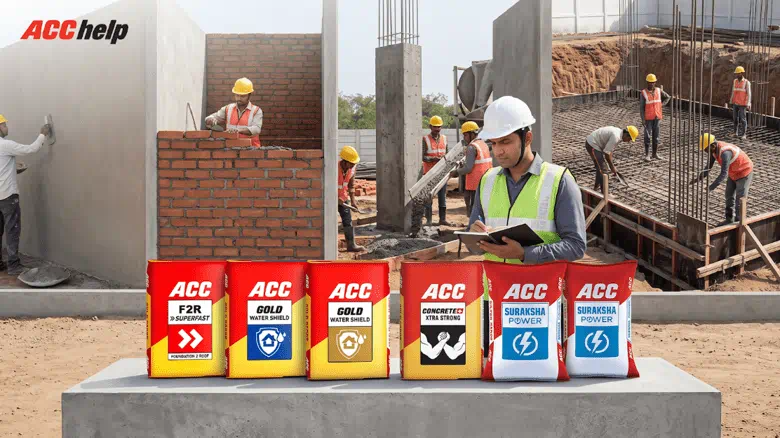
At ACC, we offer ACC water shield cement, also known as ACC Gold Water Shield Cement. It is a water-repellent cement designed to reduce water absorption and help protect structures from moisture-related concerns.
The product is described by ACC as having a water-repellent formula, damp resistance, and features that help reduce water movement through concrete pores. It is intended for applications including foundation concrete, beams and columns, brickwork, wall plastering, and slab casting.
However, water protection requires more than choosing a single cement product. The right approach depends on the surface, construction method, water exposure, and overall waterproofing requirements.
Where Can Water Protection Matter in a Home?
Moisture management may be relevant in several areas of a building, including:
- Foundations exposed to groundwater.
- Roofs and terraces exposed to rainfall.
- Bathrooms and other wet areas.
- Exterior walls exposed to weather.
- Concrete elements where moisture may affect reinforcement.
The appropriate solution depends on the building's design and site conditions. Proper construction practices, suitable materials, and professional guidance all contribute to effective water management.
How to Choose Sustainable Building Materials for Your Project
Choosing construction materials becomes easier when you follow a clear process.
- Identify the purpose of the material. Determine whether it is needed for walls, foundations, slabs, or another application.
- Check the intended use. Review the product information and confirm that it matches your construction requirements.
- Consider the building's location. Weather, moisture exposure, and local conditions may influence material selection.
- Compare durability and maintenance needs. Understand the expected performance and ongoing care.
- Review product specifications. Look at documented features, application guidance, and quality information.
- Consider the complete project. Evaluate how the material fits into your design, budget, and construction schedule.
- Consult a professional. Your engineer, architect, or contractor can help you assess suitability for the project.
Why Product Information Matters
Terms such as green, eco-friendly, and sustainable should always be understood in context. A product's environmental benefits and performance depend on its materials, manufacturing process, intended use, and application.
Before making a decision, review:
- Product specifications and intended applications.
- Installation or application instructions.
- Storage and handling requirements.
- Quality information and relevant certifications, where applicable.
- Professional recommendations for your construction project.
At ACC, we encourage customers to explore product information carefully so they can make decisions that suit their building needs.
Planning Sustainable Construction With ACC
At ACC, we believe that thoughtful material selection is an important part of building for the future. Our ACC green building centre provides access to construction materials designed for different applications, helping customers explore options for their homes and building projects.
From green bricks and concrete blocks to AAC blocks and ACC water shield cement, our range includes products with different features and intended uses. Each choice should be guided by the project's requirements, the building's conditions, and professional construction advice.
Sustainable construction is a process that involves planning, material selection, responsible building practices, and long-term care. By understanding your options and choosing materials thoughtfully, you can work toward a building that meets your practical needs while supporting more responsible construction.
Conclusion
Building a home is a long-term investment, and the materials you choose can influence its durability, maintenance, and overall performance. Sustainable construction begins with understanding the purpose of each material and selecting products that suit your project's requirements.
Through the ACC green building centre, we help customers explore sustainable building solutions, including green bricks, concrete blocks, and AAC blocks. Our construction products and resources can support informed decisions about material selection, water management, and building performance.
With careful planning, reliable product information, and guidance from construction professionals, you can take meaningful steps toward building a durable and thoughtfully planned home.
Frequently Asked Questions
Q1. What is the latest cement price in India today by brand and city?
Cement prices vary by brand, product type, city, dealer, quantity, transportation, and market conditions. For the latest ACC cement price, contact an authorized ACC dealer in your location. Confirm the product, bag quantity, and applicable price before purchasing.
Q2. What is the ACC Green Building Centre?
The ACC green building centre is a range of sustainable construction materials available through ACC Help. It includes products such as ACC Green Bricks, ACC Green Concrete Hollow and Solid Blocks, and ACC Green AAC Blocks.
Q3. What sustainable building materials can homeowners explore?
Homeowners can explore green bricks, concrete hollow and solid blocks, and AAC blocks. Each product has different features and applications, so the appropriate choice depends on the building design and construction requirements.
Q4. What is ACC Water Shield Cement used for?
ACC water shield cement, also known as ACC Gold Water Shield Cement, is designed to reduce water absorption and help protect structures from moisture-related concerns. It can be used for applications such as foundations, slabs, beams, columns, brickwork, and wall plastering, depending on project requirements.
Q5. How can I choose sustainable building materials for my home?
Start by identifying the material's intended use, reviewing product specifications, and considering durability, maintenance, and site conditions. Consult your engineer, architect, or contractor to select materials suitable for your construction project.