
Different Types Of Cement: Choosing The One That Matches Your Home’s Needs

Table of Content
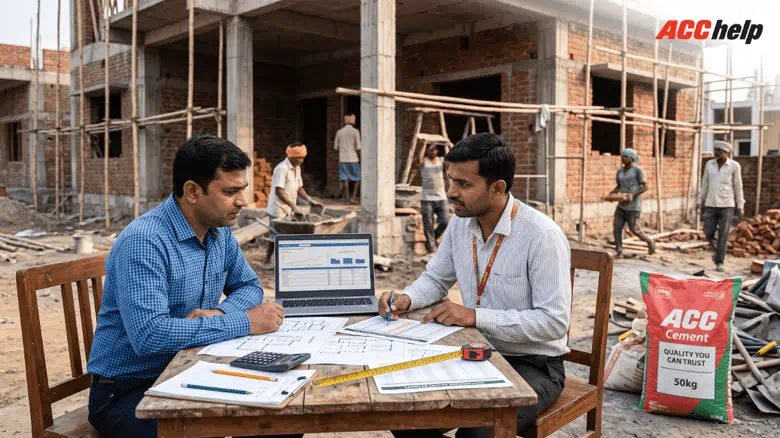
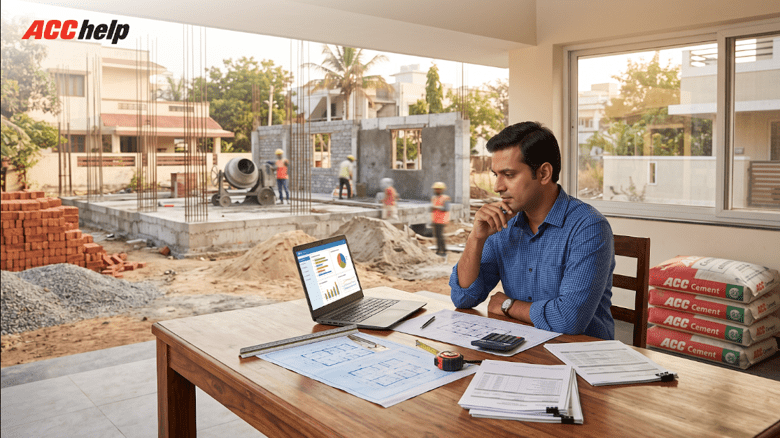
When you’re building your home, it’s easy to focus on visible things like design, layout, or interiors. But some of the most important decisions are hidden within the structure. One of them is choosing the right type of cement.
Cement is not just another construction material. It is what holds your entire home together. And the truth is, not all cement works the same way.
Different types of cement are designed for different purposes. Choosing the right one at the right stage can make a big difference in strength, durability, and long-term performance.
Why Choosing the Right Cement Type Matters
You usually don’t get a second chance to choose your cement. Once your home is built, changing it is not possible.
Using the wrong type of cement can lead to:
- Cracks in walls or slabs
- Reduced strength over time
- Dampness and seepage issues
- Higher maintenance and repair costs
On the other hand, the right cement choice helps your home stay strong, stable, and reliable for years. That’s why understanding the different types of cement is important before you start construction.
Understanding the Most Common Types of Cement
Let’s break down the commonly used types of cement in a simple way so you can understand where each one fits.
1. Ordinary Portland Cement (OPC)
This is one of the most widely used types of cement.
OPC is known for:
- High strength
- Faster setting time
- Good durability
Where it works best:
- Structural work like beams, columns, and slabs
- Projects that need early strength
If your construction requires quick progress and strong structural performance, OPC is often a suitable choice.
2. Portland Pozzolana Cement (PPC)
PPC is made by blending cement with materials like fly ash.
What makes PPC different:
- Better long-term strength
- Improved durability
- Lower heat generation
Where it works best:
- Masonry and plastering
- Mass construction
- Homes in humid or coastal regions
PPC is a popular choice for residential construction because it offers a good balance between performance and workability.
3. Rapid Hardening Cement
As the name suggests, this type of cement gains strength quickly.
It is useful when:
- Construction timelines are tight
- Early strength is required
Common uses include:
- Road repairs
- Precast elements
- Time-sensitive construction work
It helps speed up construction without compromising on strength.
4. Quick Setting Cement
This type of cement sets very quickly, sometimes within minutes.
It is mainly used for:
- Repair work
- Underwater construction
- Emergency fixes
It is not typically used for full home construction but is useful for specific situations where speed is critical.
5. Low Heat Cement
Low heat cement is designed to reduce heat generation during hydration.
Why this matters:
- Prevents thermal cracks
- Improves durability in large structures
Where it is used:
- Large foundations
- Mass concrete work
- Structures with thick sections
This type is more common in large-scale projects but can be useful in specific home construction scenarios as well.
6. Sulphate Resisting Cement
This cement is designed to resist chemical attacks from sulphates in soil or water.
Where it works best:
- Coastal areas
- Areas with high groundwater exposure
- Foundations exposed to aggressive soil conditions
It helps improve the lifespan of structures in challenging environments.
7. White Cement
White cement is mostly used for decorative and aesthetic purposes.
You’ll commonly see it used in:
- Wall finishes
- Decorative elements
- Tiles and flooring
It is not typically used for structural work but plays an important role in finishing.
8. Specialised Performance Cements
Modern construction also uses advanced cement types designed for specific needs like durability, water resistance, or high performance.
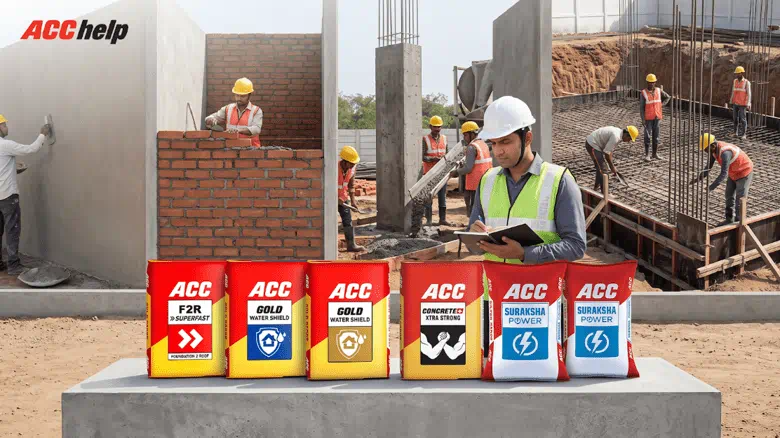
At ACC, we’ve developed different cement solutions to match real construction needs across stages. From foundation to finishing, each product is designed to deliver consistent performance and reliability.
This helps homeowners choose cement not just based on type, but based on actual application.
Understanding Cement Grades
Apart from type, cement grade also plays a role in performance.
In India, the most common grades are:
- 33 Grade – Used for basic and non-structural work
- 43 Grade – Suitable for general home construction
- 53 Grade – Used for high-strength structural applications
Higher grades mean higher strength, but they also require proper handling and curing to avoid issues like cracking. Choosing the right cement grade depends on where the cement is being used in your home.
How to Choose the Right Cement for Your Home
Instead of trying to find the “best” cement, focus on what suits your specific needs.
Ask yourself:
- Which stage of construction am I at?
- Do I need early strength or long-term durability?
- Is my location prone to moisture or heat?
- Am I building a simple home or a high-load structure?
For example:
- Structural elements may need higher strength cement
- Plastering may need better workability
- Moisture-prone areas need water-resistant solutions
When you match cement type to application, your construction becomes more efficient and reliable.
Why One Cement Type Is Not Enough
Many homeowners assume they can use the same cement throughout construction. In reality, different stages have different requirements.
Using the right cement at each stage helps:
- Improve construction quality
- Reduce material wastage
- Avoid performance issues later
That’s why modern construction often uses a combination of cement types instead of relying on just one.
Building with the Right Knowledge
Choosing cement may not feel like the most exciting part of building a home, but it is one of the most important decisions you will make.
When you understand the different types of cement and where they are used, you can:
- Make smarter material choices
- Avoid costly mistakes
- Build a home that lasts longer
Final Thoughts
Cement is the foundation of your home’s strength, durability, and performance. Different types of cement are designed for different purposes, and choosing the right one makes sure your home performs the way you expect it to.
Instead of going by habit or price alone, take the time to match the cement type with your construction needs. Because when the right cement goes into your home, everything built on top of it becomes stronger, safer, and more reliable for years to come.
FAQ
Q.1 Which is better for house construction, OPC or PPC cement?
Both OPC and PPC cement have their strengths. OPC is better for early strength and faster construction, while PPC offers better long-term durability and workability, making it a popular choice for residential construction.
Q.2 When should OPC cement be used instead of PPC cement?
OPC should be used when you need faster setting and early strength, especially in structural elements like slabs, beams, and columns where load-bearing capacity is critical during initial construction stages.
Q.3 How does cement choice impact house construction cost?
Cement choice affects both initial and long-term costs. While some options may seem cheaper upfront, better-quality cement can reduce maintenance, repairs, and durability issues, ultimately saving money over the life of your home.
Q.4 Is ACC F2R cement suitable for residential construction?
Yes, ACC F2R cement is designed for residential construction. Its fast-setting and strong performance make it suitable from foundation to roof, helping you build faster while maintaining durability and long-term strength.
Q.5 Can I use the same cement type for the entire construction?
Not always. Different stages like foundation, slabs, and plastering have different requirements. Using the right cement type for each stage helps improve performance and reduces the chances of future issues.